This article contains affiliate links. We may earn a commission from qualifying purchases.
Some content on this site is AI-assisted and reviewed by our editorial team.
Here’s the number that gets people started with smart plugs: you don’t need $200 of gear to automate a home. You need about $15 per device, a 2.4GHz Wi-Fi network you already have, and one evening. The catch is that smart plugs are sold in more pack sizes than almost any gadget on Amazon — single plugs, 2-packs, 4-packs, energy-monitoring versions, Matter versions — and the per-plug price swings from $6 to $25 for devices that look identical. Buy the wrong pack and you’ve paid double. This is the starter plan: five real packs, what each one is actually for, and the math on what they save.
TP-Link Kasa EP25 (4-Pack) — The Workhorse Starter Kit
https://www.amazon.com/dp/B0B14C719T?tag=strongdogsmar-20
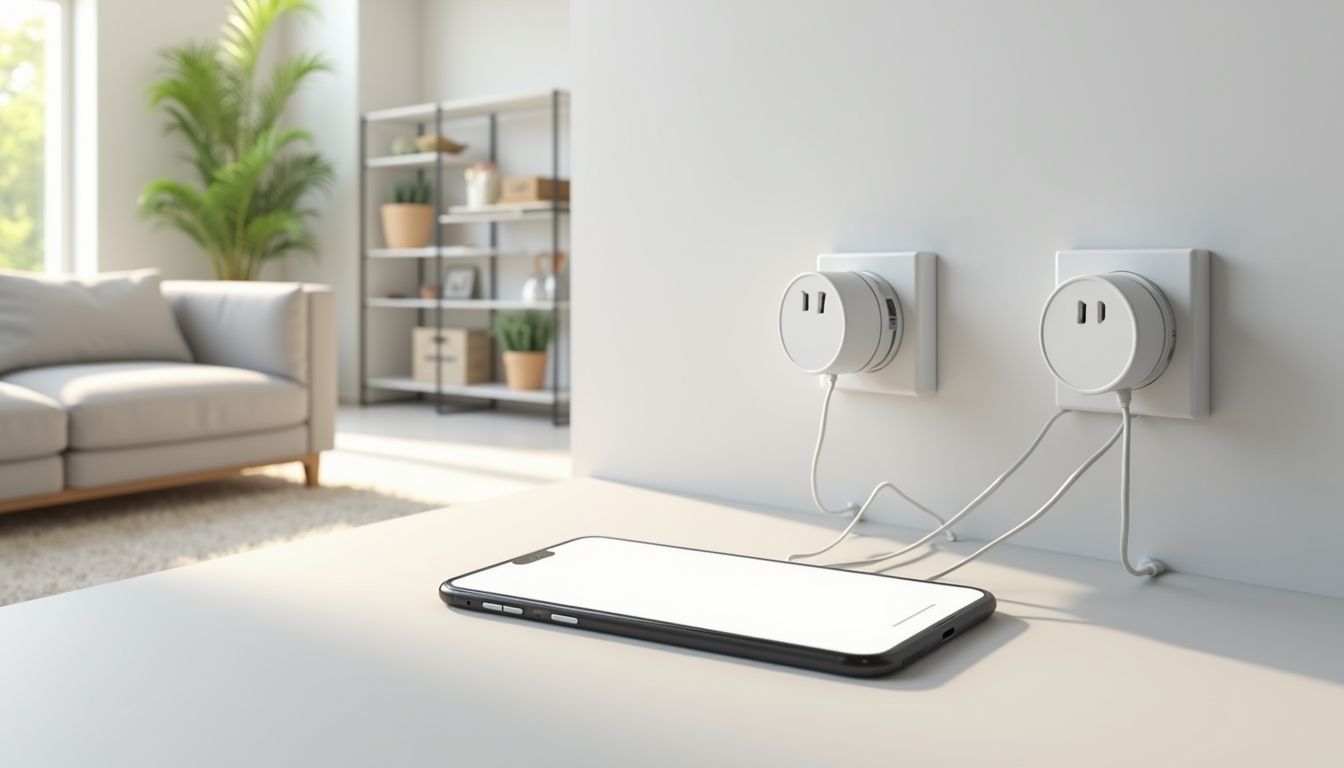
About $45 for four plugs — around $11 each. The EP25 is Kasa’s 15A mini plug with Apple HomeKit support alongside Alexa and Google Home, UL certified, and it’s the plug I’d hand to anyone starting from zero because the Kasa app doesn’t fight you: schedules, timers, countdowns, and away-mode all work without a hub, without a subscription, and without the plug losing its mind when your internet blips (local Wi-Fi control keeps schedules running). The honest con: it’s 2.4GHz-only, so on mesh routers with smart band-steering you may need to split your SSIDs during setup — the single most common “my plug won’t connect” complaint, and it’s a router setting, not the plug.
My take: the best default. Four plugs cover a lamp, a coffee maker, a fan, and a holiday light string, with one left over to start the next phase.
Kasa KP115 (Energy Monitoring) — The One That Finds Your Waste
https://www.amazon.com/dp/B08LN3C7WK?tag=strongdogsmar-20
About $16 for one. Same Kasa app as the EP25, but this one measures what’s plugged into it — real-time watts plus daily, weekly, monthly, and yearly totals. This is the plug that answers “does my entertainment center actually cost me anything when it’s off?” (answer: usually yes — set-top boxes and gaming consoles idle at 10 to 30 watts, which is $15 to $40 a year each). The con: you pay a premium per plug for the metering, and it’s not HomeKit or Matter compatible — Alexa and Google only.
My take: don’t buy a houseful of these. Buy one or two, hunt down your worst idle drains, then move on to cheap switches for everything else.
Amazon Basics Smart Plug (2-Pack) — Cheapest Alexa-Only Automation
https://www.amazon.com/dp/B0CL9CG87N?tag=strongdogsmar-20
About $15 for two — $7.50 each, and the 4-pack lands around $26. These work with Alexa only, no hub, and setup is genuinely two minutes. If your household is Echo-first and you just want lamps and fans on schedules, there’s no reason to pay $11 a plug when these exist. They count on the same trick as every plug in this guide: whatever you plug in must have a physical on/off switch left in the “on” position. The con: no Google, no HomeKit, no energy monitoring — and Amazon’s own app ecosystem means if you ever switch to Google Home, these become dumb plugs.
My take: the value pick for Alexa households. A 4-pack plus one KP115 costs about $40 and automates four rooms while measuring the biggest offender.
Amazon Smart Plug (2-Pack) — The Zero-Friction Option
https://www.amazon.com/dp/B0D9C2V83V?tag=strongdogsmar-20
About $36 for two, list $50 — it dips to around $13 each on sale, so this is a watch-the-price item. Amazon’s first-party plug is the least clever and most foolproof of the bunch: plug it in, Alexa finds it, done. No third-party account, no skill enabling, and its reliability record across half a million reviews is the best in the category. The con is the price at list — double the per-plug cost of the Basics version for the same Alexa-only feature set, plus the same no-eggs-in-other-baskets lock-in.
My take: buy it on sale, not at list. If it’s over $15 a plug, the Basics 2-pack is the smarter money.
Emporia Smart Plugs (4-Pack, Energy Monitoring) — The Metering Fleet
https://www.amazon.com/dp/B08NRNYLRV?tag=strongdogsmar-20
About $35 for four monitored plugs — under $9 each with energy monitoring included, which is the cheapest metering per plug I’ve verified. Emporia’s whole business is energy data: the app aggregates all your plugs into one dashboard and even estimates the dollar cost using your utility rate. PC Magazine has given its ecosystem Editor’s Choice marks, and four plugs let you audit the four biggest always-on suspects — TV console, office desk, garage freezer, humidifier — in one weekend. The cons: 10A continuous rating (fine for anything that plugs into a wall outlet, but don’t run a space heater through it), and like everything here it’s 2.4GHz only.
My take: the best “actually save money” purchase in this list. If you only buy one pack from this guide, make it this one or the EP25 four-pack — the two approaches (automation vs. measurement) cover each other’s gaps.
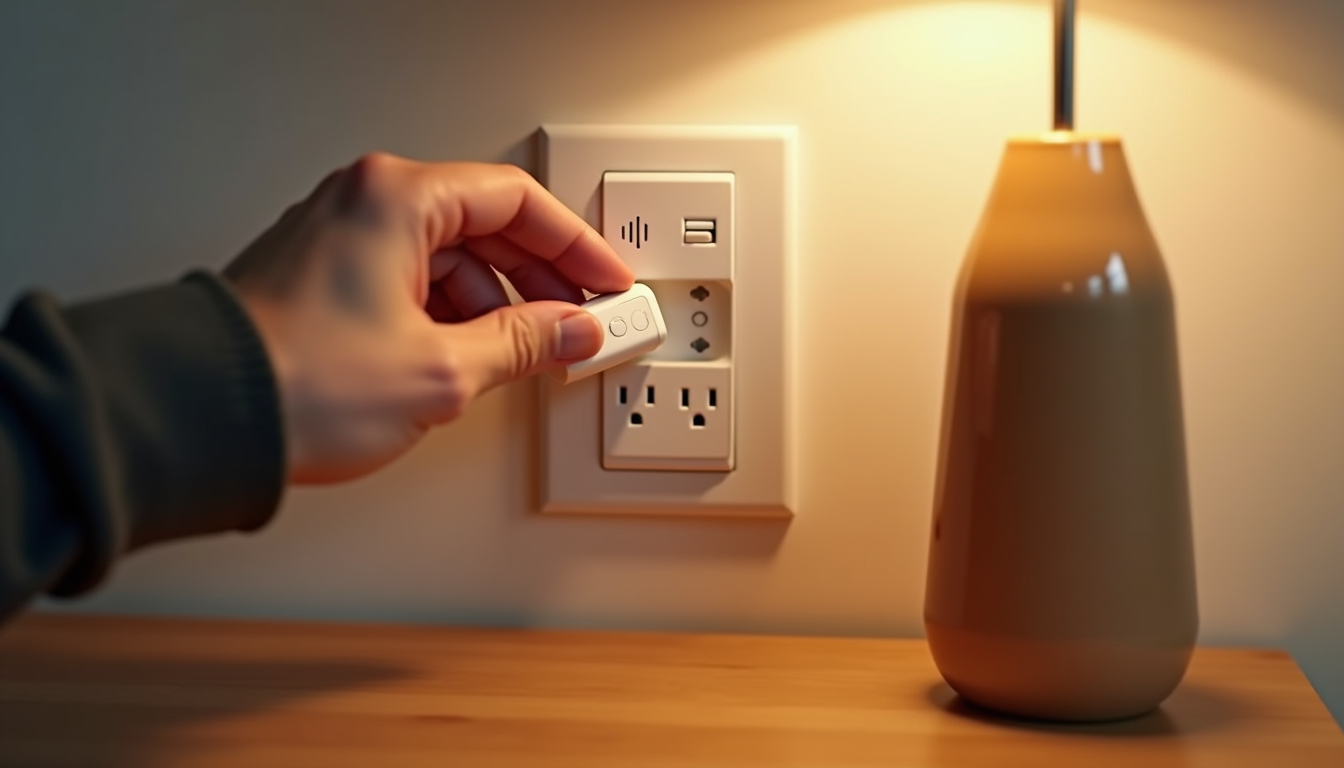
New to Prime? Every plug in this guide ships free on Prime, and most of them dip 20–40% during Prime Day and October’s sale events. If you’re not a member, you can start a 30-day free Prime trial here and time your first plug purchase to the next sale — the 2-packs and 4-packs are where the discounts concentrate.
What Actually Saves Money (And What Doesn’t)
- Saves: killing idle drain. A console + TV + soundbar + cable box idle loop can burn 40–70W around the clock — call it $45–$90 a year at average US rates. One smart plug or switched strip on the console kills it. This is the single most reliable plug win.
- Saves: space heater and humidifier discipline. Plugs with countdown timers stop the “did I leave it on?” tax. A 1,500W heater left on one extra hour a day is about $70 a winter.
- Doesn’t save: smart-plugging your fridge or washer. They’re either low-idle or inverter-driven already, and compressors hate being switched. Don’t.
- Doesn’t save: buying monitored plugs for everything. Metering costs about $4–$8 per plug. Monitor the suspects; automate the rest with cheap switches.
The Starter Plan, Priced
One Kasa EP25 4-pack (about $45) for automation plus one Kasa KP115 (about $16) for the audit: roughly $61 total, no hub, no subscription, and it covers lamps, fans, coffee, and the idle-drain hunt in one buy. Tighter budget: the Amazon Basics 2-pack (about $15) plus the Emporia 4-pack (about $35) gets you two automated rooms and a four-plug energy dashboard for about $50. Either way you’re under the cost of one month of a cable box rental — and unlike that box, these stop costing you money after month one.
Once the plugs are in, put them to work — the scheduling ideas in 7 smart home automations that save you time every day run almost entirely on cheap plugs. And when you’re ready to see where the rest of your electricity goes, the monitoring options in smart home energy monitoring: 3 devices that lower your bill go beyond single plugs to whole-circuit tracking.
CleverHomeClub is reader-supported. As an Amazon Associate, I earn from qualifying purchases. That means if you buy through one of the links above, I get a small commission at no extra cost to you. I only recommend devices I’d run in my own home.
🏠 Get Your Free Smart Home Setup Checklist
Join our newsletter and get this free printable plus weekly tips.