This article contains affiliate links. We may earn a commission from qualifying purchases.
Some content on this site is AI-assisted and reviewed by our editorial team.
I’ve spent more money on smart kitchen gadgets than I care to admit. Some of them changed how I cook. Most of them are in a drawer right now. The pattern is always the same: a company slaps WiFi on a perfectly fine appliance, doubles the price, and calls it “innovative.” So let me save you some trial and error. Here’s what’s worth buying, and what’s just expensive counter clutter.

10 Kitchen Devices Worth the Money
1. A Smart Plug on Your Coffee Maker (12 Dollars)
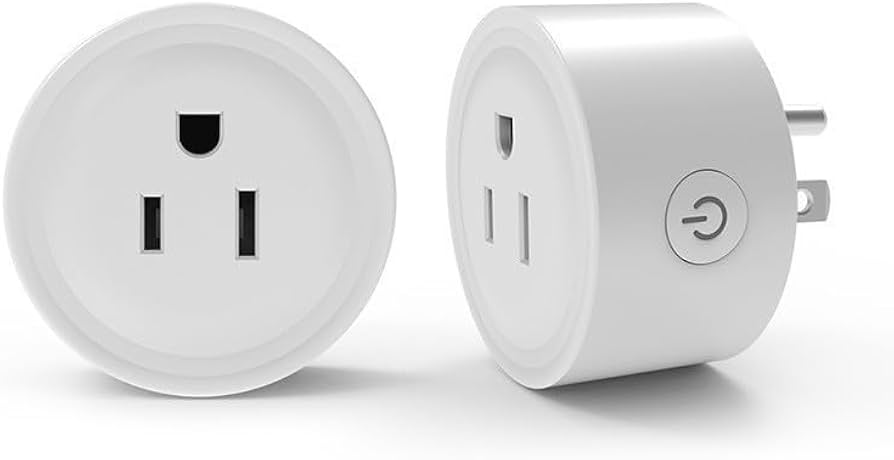
This is the one I recommend to everyone. Don’t buy a 200-dollar smart coffee maker with a touchscreen you’ll use twice. Buy a Kasa smart plug for 12 dollars, plug your regular coffee maker into it, and set a schedule. Plug turns on at 6:30 AM, coffee starts brewing, you wake up to the smell of fresh coffee. When you leave for work, the plug turns off. No “did I leave the coffee maker on” panic. I’ve been running this setup for two years and it’s the single best dollar-to-convenience ratio in my entire smart home. A smart coffee maker does the same thing with a worse interface and a price tag that makes no sense.
2. Same Trick, Different Appliance: Slow Cooker on a Smart Plug (12 Dollars)
Once you’ve got the coffee maker sorted, do the same thing with your slow cooker. Plug it in, start it remotely from your desk at work, come home to a hot meal. The real advantage over a “smart slow cooker” is that when the smart plug cuts power, it’s physically off. No overcooking, no anxiety. Simple, cheap, effective.

3. Meater Plus Wireless Thermometer (100 Dollars)
The Meater Plus changed how I grill. You stick the probe in your meat, set the target temp on your phone, and walk away. No more hovering over the grill, no more slicing open a chicken breast to check if it’s pink inside. It’s a hundred bucks, which stings, but if you cook meat more than once a week, especially grilling, roasting, or smoking, it pays for itself in ruined dinners avoided. Check out our full kitchen gadgets guide for more recommendations like this.
4. Nutritional Kitchen Scale (25 to 40 Dollars)
If you track macros, count calories, or manage portions for medical reasons, a smart scale with nutritional tracking is faster than manually logging everything. If you don’t track nutrition? A 15-dollar dumb scale is all you need. Don’t overspend here.
5. Fridge Camera, Not a Smart Fridge (50 to 80 Dollars)
You do not need a 3,000-dollar refrigerator with a touchscreen. What you need is a small interior camera that sits on a shelf inside your existing fridge. Open the app at the grocery store, see if you need milk. Done. It also cuts down on food waste because you can spot what’s about to go bad. Fifty dollars solves the one problem smart fridge manufacturers charge three grand for.

6. Echo Show or Nest Hub on the Counter (50 to 150 Dollars)
This is the one smart display that earns its spot in my kitchen. I use it for following recipes without printing them out, setting multiple timers by voice (“set a timer for the pasta” and “set a timer for the sauce” at the same time), converting measurements mid-cook (“how many tablespoons in a third of a cup”), and the occasional cooking video. The Echo Show 8 hits the sweet spot for size: big enough to read, small enough not to dominate the counter. Our smart home networking guide covers the broader setup if you need it.
7. Oven Thermometer That Tells the Truth (30 to 50 Dollars)
Most ovens lie. The dial says 350, the actual temperature is 325 or 375. A smart oven thermometer from Govee or Rubatron shows you what’s really happening inside your oven. If you bake anything, cookies, roasts, bread, this fixes problems you didn’t even know you had.
8. Touchless Soap Dispenser (25 to 35 Dollars)
Not “smart” in the WiFi sense, and that’s exactly the point. A touchless soap dispenser just sits there and solves one problem really well: you’ve got raw chicken juice or bread dough all over your hands, and you need soap without touching anything. Twenty-five bucks, no app, no firmware updates. It just works.
9. Instant Pot on a Smart Plug (12 Dollars)
The Instant Pot already has a delayed start, but pairing it with a smart plug gives you remote start from your phone and automatic shutoff. If you prep ingredients in the morning and want to kick off cooking on your commute home, this does it. The smart plug also adds geofencing and ties into your other smart routines, something the Instant Pot can’t do on its own.

10. Under-Cabinet LED Lighting (20 to 40 Dollars)
Bad kitchen lighting makes cooking miserable. Smart LED under-cabinet lights give you bright, focused task lighting exactly where you need it, on the cutting board, on the stove. Set them to trigger on a motion sensor when you walk in, and they double as dim night lights for those 2 AM snack runs. Cheap, practical, and one of the few smart lighting uses that genuinely improves daily life.

5 Gadgets That Just Waste Counter Space
The Smart Toaster (200+ Dollars) — Skip It
The Grainwise and Revolution smart toasters have touchscreens, WiFi, and presets for every bread type imaginable. Here’s what they do that a 30-dollar toaster doesn’t: nothing. Both toast bread. The smart one shows a countdown on a touchscreen instead of a dial. Save 170 dollars and spend it on better bread.
The Smart Cutting Board (100+ Dollars) — Also a Pass
A cutting board with a built-in scale and nutritional app sounds clever until you use one. You have to wash it after every use (it’s a cutting board), the scale is less accurate than a standalone, and the app is slower than just Googling nutrition info. A 15-dollar cutting board plus a 25-dollar scale does everything better for 85 dollars less.
The Smart Refrigerator (2,000 to 4,000 Dollars) — The Biggest Trap
Samsung and LG smart fridges come with touchscreens, interior cameras, and expiration date tracking. The touchscreen is too small to be useful. The camera is handy for exactly one thing, checking if you need milk. And the expiration tracking requires you to manually enter every grocery item, which you’ll do faithfully for about two weeks before quitting. A 50-dollar fridge camera solves the one useful part. See our smart home mistakes guide for more expensive traps to avoid.
WiFi Measuring Cup and Smart Ice Maker — Connectivity Without Purpose
I’m grouping these two because they share the same problem: connectivity that adds nothing. A measuring cup with WiFi measures liquid and tells you how much. Same as a 10-dollar digital cup, except this one needs firmware updates. And a smart ice maker that sends push notifications when the bin is full? Walk to your freezer. Look at it. That’s free.
What I’d Buy With 100 Dollars
If I were building a smart kitchen from scratch today, I’d spend about 100 dollars total: a couple of smart plugs for the coffee maker and slow cooker, an Echo Show 8 for recipes and timers, and a Meater Plus for grilling. That setup gives you more practical value than a 3,000-dollar smart fridge ever will. The best smart kitchen devices aren’t the ones with the most features. They’re the ones that solve a real problem without creating two new ones.
🏠 Get Your Free Smart Home Setup Checklist
Join our newsletter and get this free printable plus weekly tips.