This article contains affiliate links. We may earn a commission from qualifying purchases.
Some content on this site is AI-assisted and reviewed by our editorial team.
I never thought about smart-ing my laundry room until a hose burst on a Tuesday morning while I was at work. Came home to two inches of water on the basement floor and a 4,200-dollar insurance deductible. The first thing I bought afterward was a 25-dollar water leak detector. Then I kept going.
Most smart home guides focus on living rooms and kitchens and skip the laundry room entirely. That is a mistake. A laundry room has water lines under pressure, appliances that run when you are not watching, and tasks where the whole point is to not have to babysit them. Five devices changed my laundry room from a disaster waiting to happen into something that mostly runs itself, and the total cost was under 200 dollars.
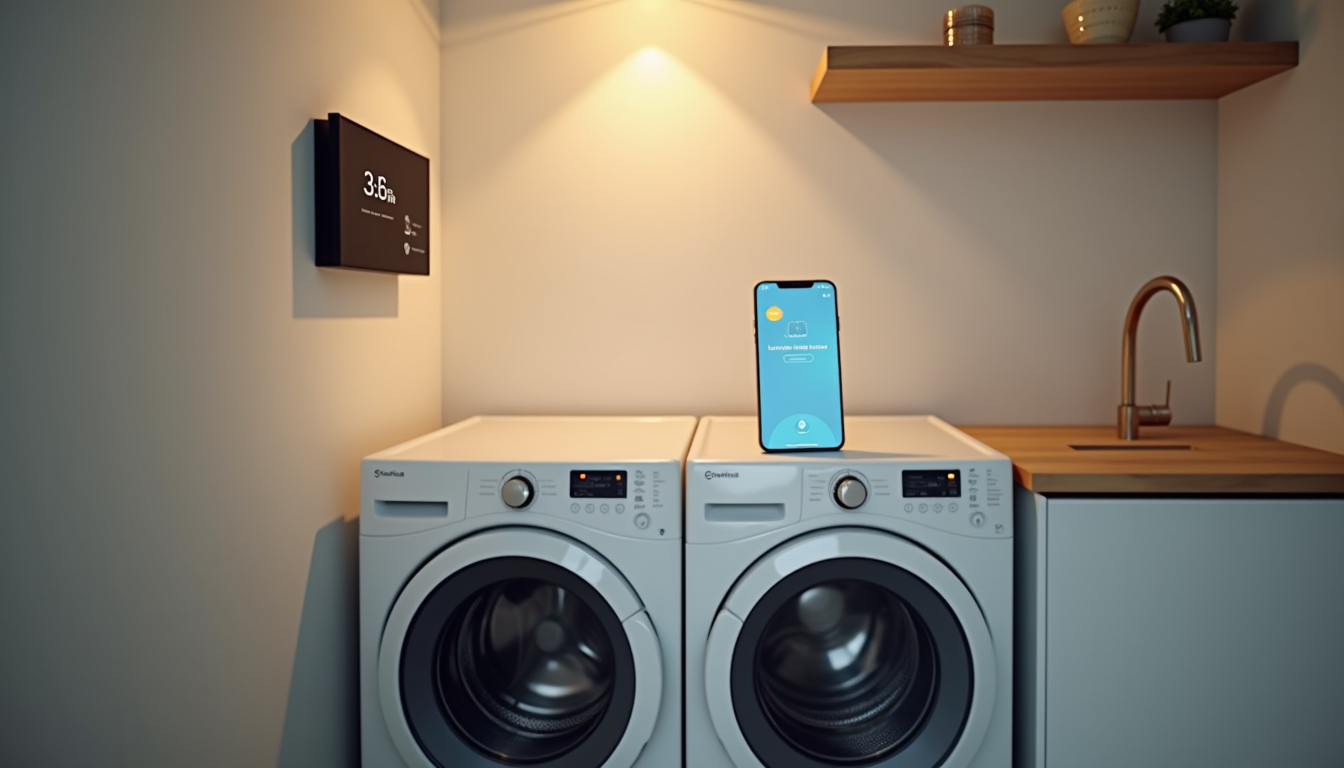
1. Smart Water Leak Detector: Catch Floods Before They Ruin Everything
A burst washing machine hose dumps 600 gallons of water per hour. That is not a guess. It is the most common home insurance water damage claim in the country. I learned this the expensive way. A smart leak detector costs less than a large pizza and can save you tens of thousands of dollars.
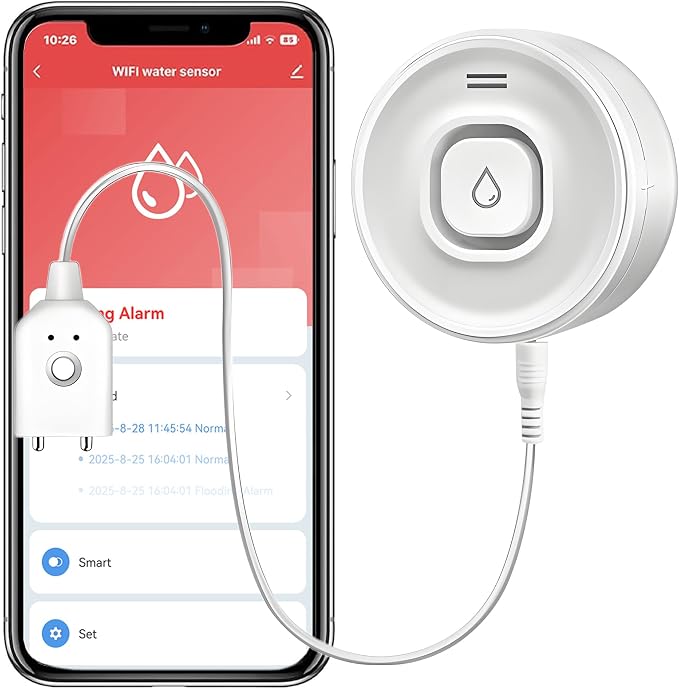
I went with the Govee Wi-Fi Water Leak Detector because it was cheap and had two sensors on a cable. I stuck one under the washing machine and one under the utility sink. When it detects water, it sends a push notification, sounds a 100-decibel alarm (it is genuinely loud), and can trigger IFTTT or Alexa routines. Battery life is about two years. Setup took me five minutes, most of which was downloading the app.
If you want a single-unit option, the Kidde WiFi Water Leak Detector and Freeze Alarm also monitors for freezing temperatures. That matters if your laundry room is in a garage or basement where pipes can freeze in winter. I did not need that feature, but if you are in a cold climate, it is worth the few extra dollars.
If you want full flood prevention, pair a leak detector with a smart water shutoff valve so the water cuts off automatically.
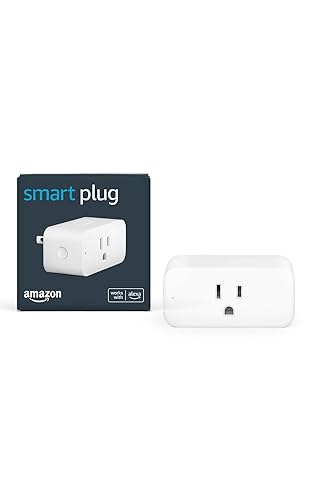
2. Smart Plug: Know When Cycles Finish Without Walking Downstairs
My washer and dryer are not smart appliances. They are ten years old and work fine. But I still get cycle completion alerts on my phone, because I plugged them into smart plugs that monitor power draw. When the washer stops drawing power, the cycle is done.
The Amazon Smart Plug reports energy usage through Alexa. We rated it highly in our best smart plugs guide, and it made our list of 4 smart plugs under 25 dollars worth buying. My routine is simple: when the washer power drops below 5 watts for 2 minutes, the Echo Show in the kitchen announces “Washer is done.” Same setup for the dryer.
One thing I learned the hard way: do not plug a gas dryer into a smart plug. Smart plugs are rated for resistive loads, not the high inrush current of a gas appliance ignition system. Electric washers only. Check the amp rating on the smart plug against your washer’s label before you plug anything in.
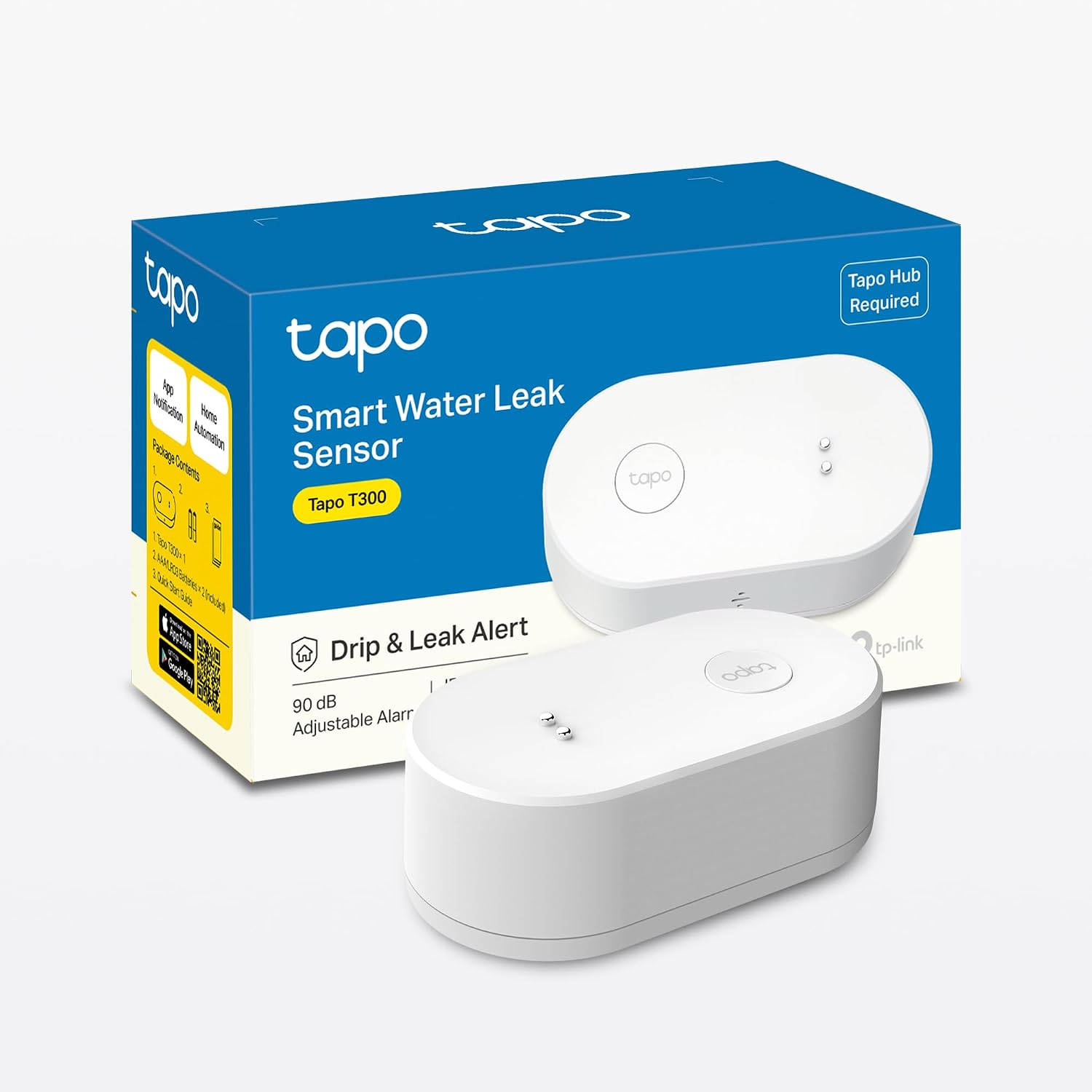
3. Zigbee Water Leak Sensor: Set It and Forget It
If you already have a smart home hub, a Zigbee-based water sensor is a better choice than Wi-Fi. It uses almost no battery and is more reliable. The Aqara Water Leak Sensor is 35 dollars, runs on a CR2032 coin battery for two years, and connects to SmartThings, Home Assistant, or Apple HomeKit through a hub.
Zigbee uses mesh networking, so each device extends the range of the whole network. That matters in a laundry room that might be in a basement or far corner of the house. It also avoids loading down your Wi-Fi if you already have a bunch of connected devices.
4. Echo Dot: The Device I Did Not Expect to Use This Much
I put an Echo Dot (5th Gen) in the laundry room on a whim because it was 50 dollars and I had a gift card. It gets more daily use than any other smart device in my house.
- Timers. “Alexa, set a 35-minute timer for the dryer.” I have not forgotten a load since.
- Announcements. “Alexa, announce the dryer is done.” Broadcasts to every Echo in the house so whoever is closest can grab it.
- Music. Folding laundry in silence is grim.
- Routines. I set up one phrase (“Alexa, laundry time”) that starts a timer, kicks off a playlist, and turns on the overhead light.
The 5th Gen Echo Dot has a built-in temperature sensor, which means it can trigger automations based on room temperature. My laundry room gets hot in the summer, so I have it set to turn on a small fan when the temperature hits 85 degrees.
5. SmartThings Water Sensor: If You Are Already in the Samsung Ecosystem
If you use SmartThings already, the SmartThings Water Leak Sensor plugs right into your existing setup. It monitors both water leaks and temperature, so you get freeze warnings before pipes burst.
The real value is the automation chain. Connect the water sensor to a SmartThings-controlled smart valve on your washing machine supply line, and you have an automatic shutoff system. When the sensor detects water on the floor, the valve closes within seconds. No phone notification needed. No manual intervention.
How It All Works Together
This is the setup that makes all five devices work as a system:
- Leak detected by Govee or Aqara sensor. Smart valve closes if installed. Push notification goes to all phones. Echo Dot announces “Water detected in the laundry room.” Laundry room light turns red.
- Washer cycle complete (detected via smart plug power drop). Echo Dot announces “Washer is done, time to move clothes to the dryer.” A 10-minute countdown timer starts automatically.
- Dryer cycle complete (same method). Echo Dot announces “Dryer is done, fold before wrinkles set in.” After 30 minutes with no action, it sends a second reminder.
- Temperature drops below 40 degrees in the laundry room. Notification goes out: “Freeze warning: check your pipes.” Smart thermostat adjusts heating.
Total cost for this system: about 200 dollars if you already have a smart speaker, under 300 dollars if you are starting from scratch. The average water damage insurance claim is 11,000 dollars. You do the math.
Save Your Money On These
Do not buy a smart washer if your current machines work fine. A 1,400-dollar smart washer gives you the same cycle completion alerts that a 25-dollar smart plug already provides. If you are replacing a dead machine, sure, get one with Wi-Fi. But upgrading a working washer for connectivity alone is a waste of money.
Skip smart detergent dispensers too. They dispense the same amount of soap a measuring cup does, but with an app. Spend that money on a second leak sensor for your water heater instead.
What 200 Dollars Gets You
Your laundry room has water under pressure, appliances running unattended, and tasks where you want to walk away and not worry. Five devices, about 200 dollars, one afternoon of setup. You get leak detection, cycle alerts, and reminders that prevent disasters and save you from rewashing wrinkled loads. Start with a leak detector. Everything else builds on that.
This post contains affiliate links. If you buy through them, we may earn a commission at no extra cost to you.
🏠 Get Your Free Smart Home Setup Checklist
Join our newsletter and get this free printable plus weekly tips.