This article contains affiliate links. We may earn a commission from qualifying purchases.
Some content on this site is AI-assisted and reviewed by our editorial team.
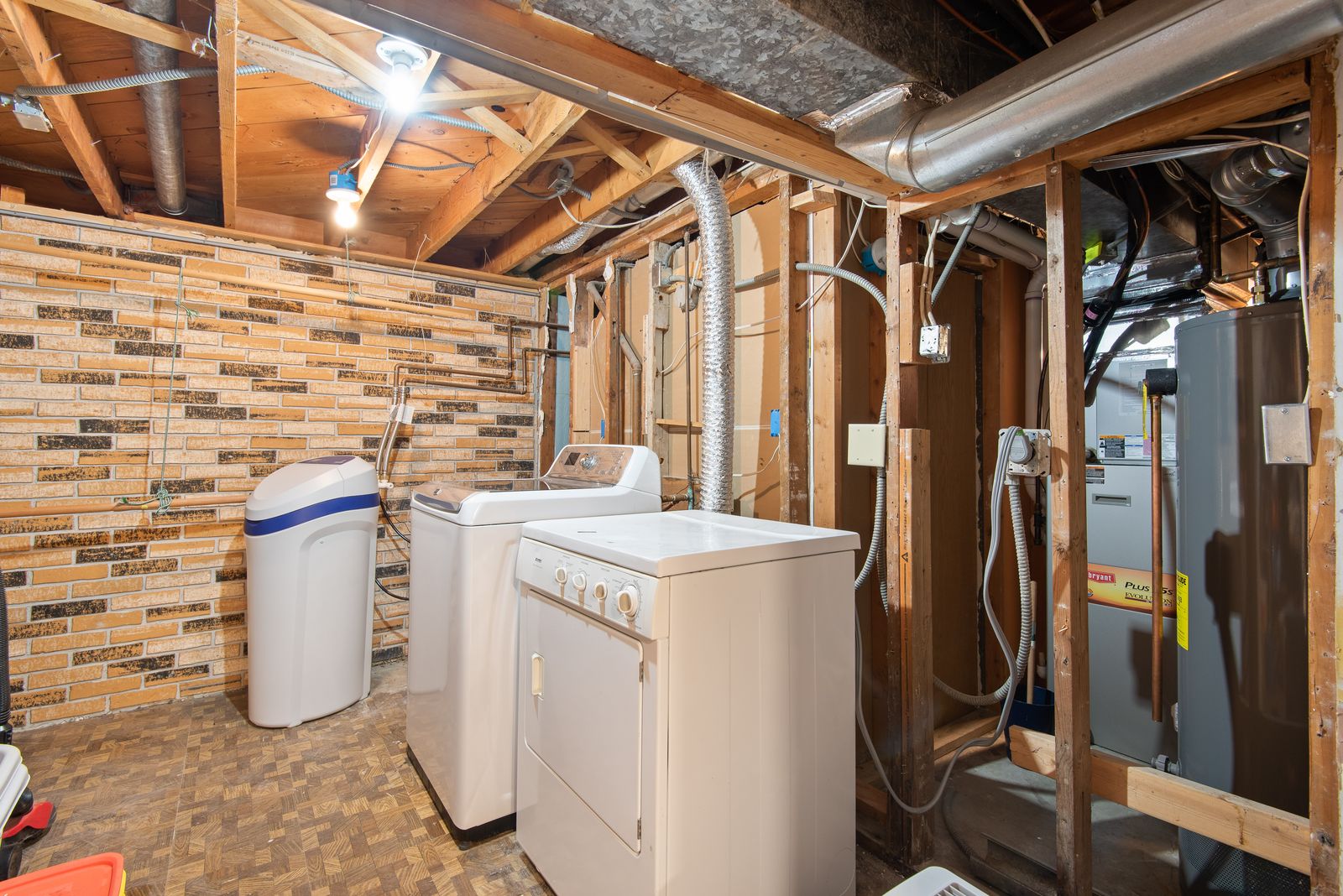
A supply line above my washing machine let go on a Tuesday morning. Nine hours later — because nobody was home — the basement had two inches of standing water, and the claim came to about $4,300 in ruined flooring and drywall. The fix I wired the following weekend cost under $140 in sensors, and it does three things a dripping pipe never sees coming: screams at my phone, screams at a hub siren, and can even close the water main by itself. Water damage claims average roughly $12,000 per incident by industry numbers — the cheap part was never the repair, it was the not-knowing.
The whole game is sensor placement plus a protocol decision, and every product below is one I’ve lived with or installed for friends. Here’s the 2026 layout that works, and what each piece of the system costs.
Govee Wi-Fi Water Detectors — The Cheapest System That Reaches Your Phone
The Govee Wi-Fi Water Leak Detector 3-Pack runs about $75 for three sensing pucks plus a base, which lands at $25 per protected spot — the best entry price per point among Wi-Fi systems. Drop one in the washing machine pan, one at the water heater pan, one under the kitchen or bathroom sink; the base connects to your Wi-Fi and pushes app alerts anywhere your phone is. The pucks also sound a local alarm loud enough to hear upstairs. Battery life on the pucks runs close to a year off coin cells.
Honest cons: everything rides on your home Wi-Fi staying up — your internet being down during a leak is rare but real, and the puck alarms are your fallback. Alerts on the free tier are push-and-email only. And the pucks detect water only when it touches their face, so a floor drain three tiles away helps nobody.
My take: if you rent or want a no-hub weekend upgrade, the Govee 3-pack is about $75 well spent — just point each puck’s actual contact face at the drip path.
YoLink Sensor + Hub Kit — Long-Range Radio That Outlives Outages
The YoLink Water Leak Sensor 4-Pack with Hub is around $73 and runs LoRa — a long-range, low-power radio that reaches farther than Wi-Fi and sips battery, so the sensors sleep for years between charges. Placement follows the plumbing, not your wireless coverage: the crawlspace corner, the sump pit rim, the garage wall next to the water main, the deep corner of a finished basement. The hub pushes app, SMS, and email alerts.
The honest cons: the hub needs an outlet in a sensible spot, and text-message alerts require the paid subscription after the trial tier. It’s one more app in the stack. And the puck form factor is chunky enough to be visible — fine in a mechanical room, worth hiding in a living space.
My take: for whole-house coverage on the cheap, YoLink is the backbone I’d install in anyone’s house — placement freedom is worth more than polish.
Moen Flo Smart Detector — The One That Also Measures Freezing
The Flo by Moen Smart Water Detector with 6-foot Leak Sensing Cable is about $77 and adds two things the pucks don’t: a six-foot sense-anywhere cable that turns a whole run of pipe into a sensor, and temperature monitoring that flags freeze risk before a burst. Set it with the cable strung along the exterior wall behind the washer or up in the crawlspace where pipes run. Renter-friendly, no plumbing required.
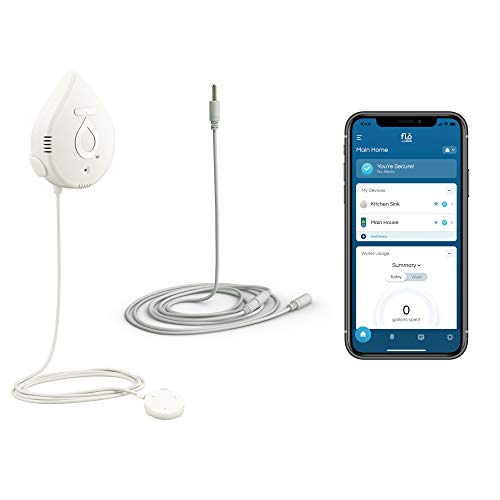
Honest cons: the ecosystem only turns into the full protection story when you add the Moen Flo automatic shutoff device on the main line — the detector alone can’t stop water. The Moen app is heavier than the little system needs. And if the cable idea hooks you, know the add-on cables ($22 per extra 6 feet) add up quickly.
My take: the ~$77 detector kit is the right pick where pipes run along walls in hard-to-reach spots — the cable covers a whole run one puck can’t.
Moen Flo Shutoff — the Automatic Main-Line Kill Switch
The Moen Flo Smart Water Monitor and Automatic Shutoff installs on the water main (1.25-inch model linked), watches flow and pressure continuously, runs nightly micro-leak tests, and closes the valve itself — a 3 a.m. supply-line burst gets killed in seconds, not nine hours. This is the device insurance carriers hand discounts out for; several let you self-monitor or waive requirements once it’s installed. Expect professional installation cost on top: a plumber will run about an hour and a half cutting into the main, and marketplace pricing on the unit itself swings roughly $800 to $1,000 right now.
Honest cons: price plus plumber — the full kill-switch system lands around $1,000 all-in, and it needs a transformer outlet at the main. Marketplace-heavy listings mean checking the actual seller. One reviewer’s unit flooded internally after three years, which is worth weighing against its value for a vacant-leaning house.
My take: the shutoff is the top of the ladder — start with sensors, and save the shut-off for the house where you sleep elsewhere often, since a leak that nobody hears is the one this exists to stop.
What Actually Saves Money (And What Doesn’t)
Placement beats hardware. $25 of puck in the right corner beats $150 of cable in the wrong one. Washing machine supply line, water heater pan, under every sink, behind the fridge ice-maker line, sump pit rim — five points, maybe $75-125, and 90 percent of the loss risk is covered.
Insurance is the quiet ROI. Carriers increasingly discount premiums or require shutoff-style monitors for high-risk policies; a $500 discount over years pays for the entire sensor fleet first, and the shutoff after.
Protocol first, brand second. Wi-Fi-only (Govee) is fine in a small house with solid coverage; LoRa (YoLink) is the answer in long/deep houses or detached structures; the shutoff is the only piece that actively stops water — everything else just tells you.
What doesn’t save money: cameras pointed at the water heater. You’ll get a push alert a day late and a video of mold. Detection must happen at the floor, not the lens.
Annual Savings Math
- The starter system: a 3-pack of Wi-Fi pucks at about $75 covers the washing machine, water heater, and one sink. That is $75 against an average incident cost in the four figures — and renters take it with them when they move.
- The middle build: ~$150 buys the Govee pack plus one sense-cable detector (or the YoLink 4-pack with hub) for full mechanical-room coverage plus under-sink points.
- The top build: a ~$1,000 all-in shutoff on the main line covers the burst-pipe scenario nothing else does. Split across five years, it’s cheaper than the $4,300 Tuesday that motivated it.
- Recurring cost to be honest about: none for the sensor systems (coin cells every 1-2 years); the SMS-alert tier on YoLink is the only subscription worth considering.
If the plan for this winter includes a vacation shut-down, put the leak fleet on the same checklist as the thermostat schedule — the math in our thermostat scheduling post and the room-by-room layout in the humidifier automation guide pair with leak protection better than any single gadget upgrade.
CleverHomeClub is reader-supported. As an Amazon Associate, I earn from qualifying purchases. That means if you buy through one of the links above, I get a small commission at no extra cost to you. I only recommend devices I’d run in my own home.
🏠 Get Your Free Smart Home Setup Checklist
Join our newsletter and get this free printable plus weekly tips.
Frequently Asked Questions
Where should water leak sensors be placed?
Prioritize the washing machine supply line and pan, the water heater drain pan, under every sink, behind the refrigerator's ice-maker line, and the sump pit rim. These five points cover the vast majority of household leak losses for about 75 to 125 dollars in sensors.
Do water leak sensors need WiFi to work?
The puck alarms sound locally without any connection, but phone alerts need your network. Wi-Fi systems like Govee depend on home internet staying up, while long-range radio systems like YoLink only require the hub's outlet - a useful distinction in deep baselines or when the router is rebooting.
Is a water leak sensor worth it?
Average water damage claims run well into four figures, while a three-pack of quality sensors costs about 75 dollars. For renters the Govee pack is a weekend upgrade that moves with you; homeowners who travel often add the Moen Flo shutoff so a burst line gets closed automatically.
Price Check
Prices verified via our product tracker. Updated Sep 27.
| Govee WiFi Water Leak Detector 3 Packs, Leak Alert with Re | $75.00 | 4.2★ (10,991) |
| YoLink Water Leak Sensor 4 105 dB Alarm Kit: 4-Pack + Hub | $72.99 | 4.7★ (1,710) |
| Flo by Moen Smart Water Detector, 1-Pack with Leak Sensing | $76.63 | 4.5★ |
| Moen Flo 900-002 Smart Water Monitor & Automatic Shutoff | | $985.00 | 3.9★ (2,304) |
As an Amazon Associate we earn from qualifying purchases.