This article contains affiliate links. We may earn a commission from qualifying purchases.
Some content on this site is AI-assisted and reviewed by our editorial team.
Samsung just announced a major push into healthcare via SmartThings, its smart home platform with 460 million users. The plan: connect your Galaxy Watch, phone, TV, and appliances into an AI-powered health ecosystem that lives in your home. Here’s what it means for you.
Samsung’s Big Healthcare Bet
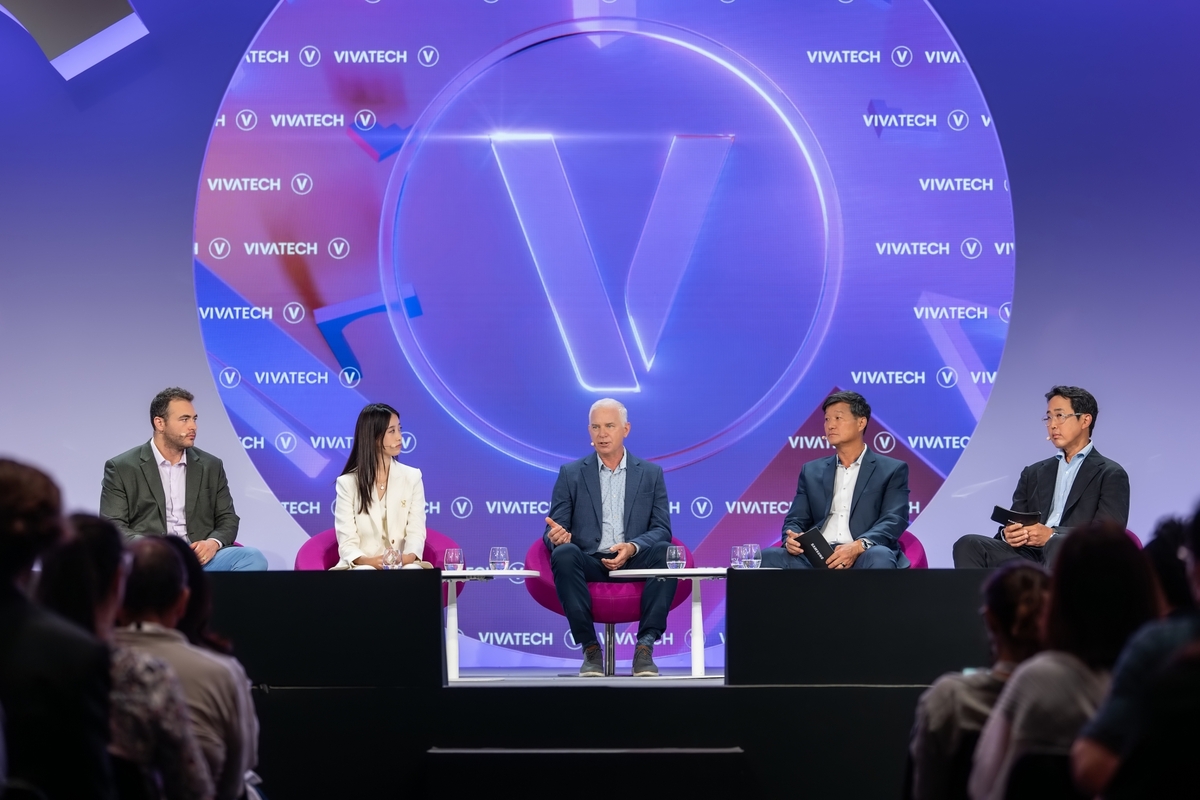
At VivaTech 2026 in Paris last week, Samsung Electronics laid out its vision for the future of home healthcare — and it runs through SmartThings, the company’s AI home appliance platform that now has 460 million subscribers worldwide.
Park Heon-soo, head of Samsung’s Digital Health Team, put it bluntly: “In the recent trend where the center of gravity in health management is shifting to the home, the SmartThings-based ‘connected home’ is playing a very important role.”
The numbers backing this up are significant. SmartThings has 460 million users. Samsung Health (the phone/watch app) has 77 million users. If Samsung can connect those two ecosystems — smart home and health tracking — it creates a platform that no competitor can match in scale.
What This Actually Looks Like
Samsung’s vision is an AI-powered “daily companion” that knows your health patterns and uses your home devices to support them. Practical examples:
- Sleep optimization: Your Galaxy Watch tracks sleep quality. SmartThings adjusts the thermostat, dims smart lights, and sets the TV to do-not-disturb based on your sleep schedule.
- Activity-aware environments: After a workout detected by your watch, SmartThings could set the AC to recovery mode and your fridge could suggest hydration.
- Morning routines: Your phone alarm triggers a gradual light brightening, the coffee maker starts, and the TV displays your overnight health metrics.
- Medication reminders: SmartThings can trigger reminders through your TV, phone, and smart speaker simultaneously — not just a phone notification you might miss.
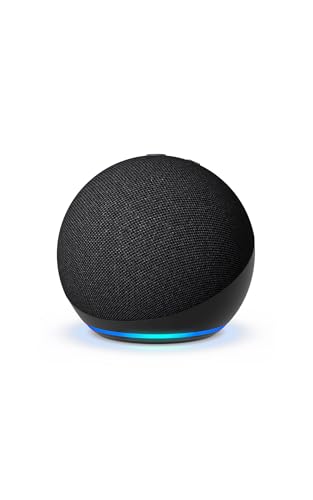
The key insight: Samsung makes the phone, the watch, the TV, the refrigerator, the washing machine, and the smart home platform. No other company has all those pieces. Apple has the phone and watch but not major appliances. Google has the smart home platform but not appliances. Amazon has Alexa but not health tracking devices.
The Partnership Strategy
Samsung isn’t trying to do this alone. At the VivaTech panel, Park appeared alongside leaders from three health-focused partners:
- Xealth: A platform that lets doctors “prescribe” digital health apps and devices to patients, integrating clinical care with home health monitoring.
- Generation Lab: Focused on longevity and aging-related health services.
- Sib.Health (SiPhox Health): A health diagnostics company working on at-home testing.
David Lee, head of Samsung Next (Samsung’s investment arm), framed the strategy: “The future of health cannot be built by a single company alone. It can be created through the innovation and collaborative ecosystem of multiple companies.”
This is the right approach. Samsung provides the hardware and platform; partners provide the clinical expertise, diagnostics, and medical-grade services. Samsung is positioning SmartThings as the connective tissue — the layer that ties your health data to your home environment.
Why 460 Million Users Matters
The 460 million SmartThings user base is the moat. For context:
- Apple Health: ~100 million active users (estimated, Apple doesn’t disclose)
- Google Fit: ~50 million downloads, far fewer active users
- Samsung Health: 77 million users
- Samsung SmartThings: 460 million users
If Samsung can convert even 5% of SmartThings users into active health platform users, that’s 23 million people — more than most dedicated health platforms have. And those users would be engaging with health features through devices they already own, rather than buying new hardware.
What This Means for Smart Home Buyers
If you’re considering a smart home ecosystem and health tracking is a priority, Samsung’s integrated approach is becoming harder to ignore. Here’s the practical takeaway:
You Already Have Most of the Pieces
If you own a Samsung Galaxy phone, a Galaxy Watch, and a Samsung TV, you’re already most of the way to this ecosystem. SmartThings is free to use. The health features Samsung is building will work with hardware you may already own.
The Appliance Advantage
The real differentiator is appliances. Samsung makes refrigerators, washing machines, air conditioners, and TVs — all of which can participate in a health-aware smart home. A LG or Whirlpool appliance can’t talk to your Apple Watch the way a Samsung refrigerator can talk to a Galaxy Watch.
Matter Compatibility
SmartThings supports Matter, so you’re not locked into Samsung appliances exclusively. You can mix in Philips Hue lights, an Ecobee thermostat, or a Google Nest camera. The health ecosystem integration works best with Samsung hardware, but the smart home platform itself is open.
The Privacy Question
Any health data platform raises privacy concerns, and Samsung’s vision — connecting sleep data, activity tracking, and home environment data — is expansive. Samsung hasn’t detailed the privacy model for this healthcare expansion yet, but key questions to watch:
- Will health data from Samsung Health be shared with SmartThings partners (Xealth, Generation Lab, etc.)?
- Can users opt out of specific data sharing while keeping others?
- Is the AI processing done locally on-device or in the cloud?
- How does this interact with HIPAA and other health privacy regulations?
Samsung has historically been better than Google or Amazon about local processing and user control, but the healthcare angle adds new regulatory complexity. Expect more details as the platform develops.
When Will This Be Available?
Samsung described this as a 5-year vision, not a product launching next month. The SmartThings platform and Samsung Health already exist and work together today — but the deep AI integration, partner services, and appliance-aware health features will roll out gradually.
What you can use right now:
- Samsung Health tracks sleep, activity, and heart rate on Galaxy devices
- SmartThings controls Samsung appliances and Matter-compatible third-party devices
- Basic automations already connect the two (e.g., sleep mode adjusts lights and TV)
What’s coming over the next 1-2 years:
- Deeper AI-driven health-to-home automations
- Integration with clinical partners (Xealth, Generation Lab)
- At-home diagnostic results feeding into SmartThings routines
Recommended Samsung Smart Home Hardware
If you want to start building toward Samsung’s health-aware smart home:
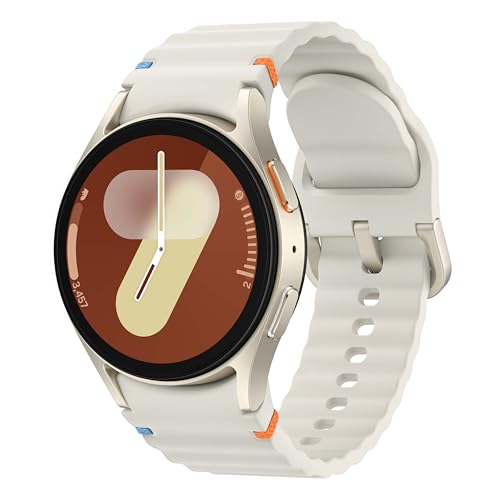
- Samsung Galaxy Watch (health tracking) →
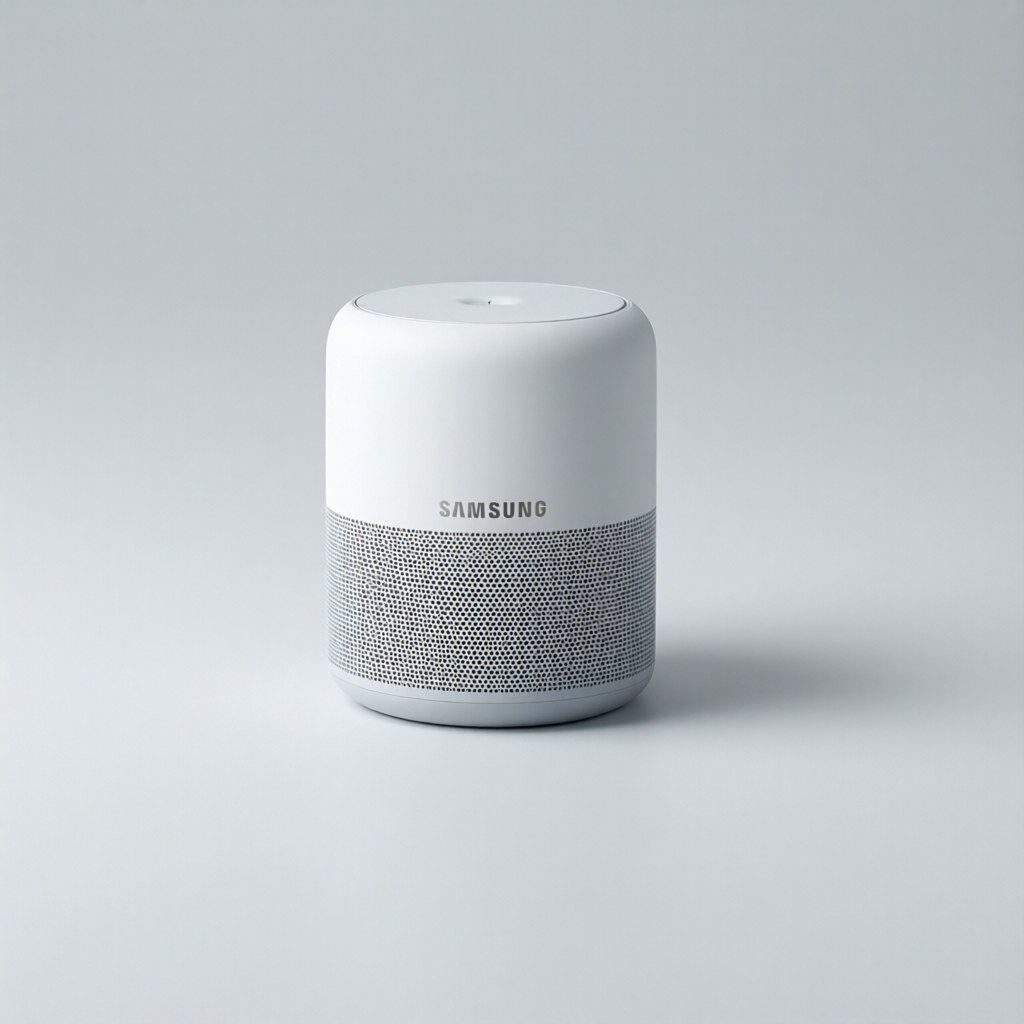
- Samsung SmartThings Hub (or use a Galaxy phone as hub) →
- SmartThings-compatible smart bulbs →
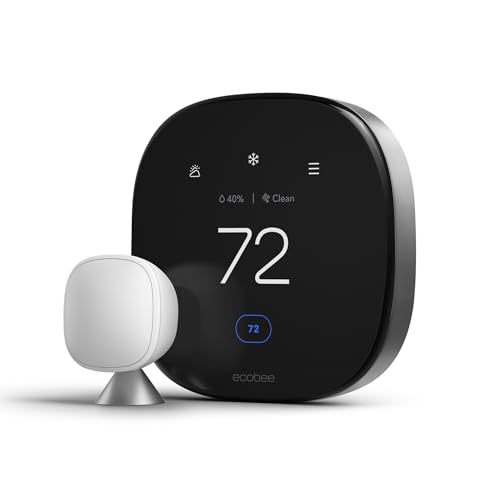
- Smart thermostat (Matter-compatible) →
The Bottom Line
Samsung’s healthcare push via SmartThings is the most credible “health-aware smart home” play we’ve seen. Not because the technology is revolutionary — it isn’t, yet — but because Samsung has the scale (460 million users), the hardware breadth (phones, watches, TVs, appliances), and the partnership strategy (Xealth, Generation Lab, SiPhox) to actually build it.
Apple has the health tracking. Google has the AI. Amazon has the smart home reach. But Samsung is the only company that has all three — plus the appliances that make a home a home.
If you’re already in Samsung’s ecosystem, this is a reason to stay. If you’re not, it’s worth watching — because the convergence of health tracking and smart home automation is going to be one of the defining trends of the next five years.
Would you trust your smart home with your health data? What automations would you want?
nn
My take: Samsung is the only company that owns every piece — phone, watch, TV, fridge, and the 460-million-user platform between them — and the healthcare push is how it finally uses that together. Watch this space if you’re in the Galaxy ecosystem; the sleep-to-thermostat loop is the first automation that’s felt genuinely new in years.
Related guides
- Smart Home for Renters: 10 Devices That Wont Cost You Your Deposit
- 10 Weekend Smart Home Projects You Can Build in 2026 (Each Under $100)
- Home Assistant for Beginners: Take Back Control of Your Smart Home (No Cloud Required)
- Smart Home Theater Setup: How I Built a Cinema Room Without Spending a Fortune
- Guest Access Without Giving Out Your Passwords: 5 Setups That Work
🏠 Get Your Free Smart Home Setup Checklist
Join our newsletter and get this free printable plus weekly tips.
Frequently Asked Questions
What is Samsung’s SmartThings healthcare push?
At VivaTech 2026, Samsung laid out its plan to connect the Galaxy Watch, phone, TV, and appliances through SmartThings — its 460-million-user smart home platform — into an AI health ecosystem that lives in your home. The scale is the point: SmartThings’ 460 million users plus Samsung Health’s 77 million gives a combined platform no competitor can match, since Apple lacks appliances, Google lacks health devices, and Amazon lacks both.
What would a healthcare smart home actually do?
Practical examples from Samsung’s vision: your Galaxy Watch’s sleep data adjusts the thermostat, dims lights, and quiets the TV; a detected workout triggers AC recovery mode and hydration suggestions from the fridge; morning alarms gradually brighten lights while the TV shows overnight metrics; and medication reminders fire on TV, phone, and speaker simultaneously — not just a phone notification you might miss.
Who is Samsung partnering with for healthcare?
Health-focused partners rather than going it alone — Xealth (a platform letting doctors “prescribe” digital health apps and devices, connecting clinical care to home monitoring) appeared alongside Samsung’s Digital Health Team lead at the VivaTech panel. The strategy is clinical integration built on the home hardware Samsung already owns end to end.
Liked this guide? Get the next one in your inbox — the smart home starter checklist is free too.
✓ You're in — check your inbox.
No spam. Unsubscribe anytime. We never share your email.
Price Check
Prices verified via our product tracker. Updated Nov 7.
| Samsung Galaxy Watch 7 40mm Bluetooth AI Smartwatch w/Ener | $249.99 | 4.6★ (7,929) |
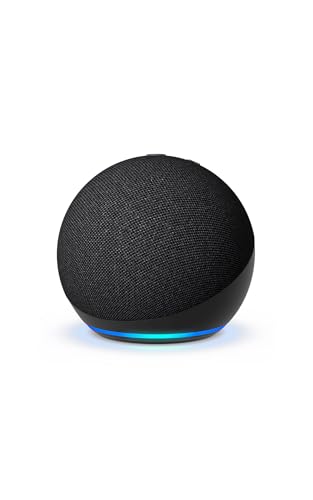
| Amazon Echo Dot (newest model) - Vibrant sounding speaker | $79.99 | 4.7★ (200,849) |
| MHCOZY Smart Home Dry Contact Zigbee Relay Switch, Remote | $16.90 | 4.4★ (480) |
| ecobee Smart Thermostat Premium - WiFi, Siri & Alexa Built | $245.00 | 4.3★ (4,170) |
As an Amazon Associate we earn from qualifying purchases.