
This article contains affiliate links. We may earn a commission from qualifying purchases.
Some content on this site is AI-assisted and reviewed by our editorial team.
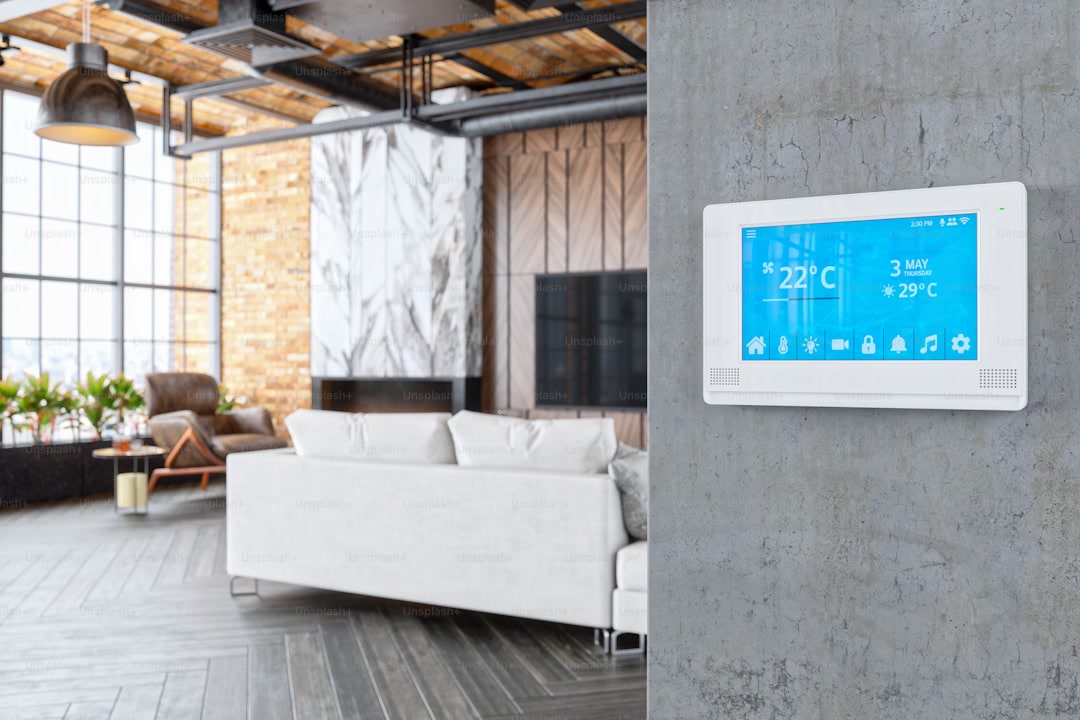
You don’t need to spend thousands or hire an electrician to get a smart home. These 10 weekend projects each cost under $100 and deliver real, daily value — not gimmicks.
Why Weekend Projects Beat Whole-Home Installs
The mistake most people make with smart homes is trying to do everything at once: buy 20 devices, spend a weekend wiring, and end up with a system that sort of works but nobody understands. The better approach is incremental — one project at a time, each solving a real problem you actually have.
Here are 10 smart home projects you can build in a weekend, each under $100, each delivering value on day one. They’re ordered from easiest (15 minutes) to most involved (a full afternoon).
1. Smart Lighting in One Room ( dollars 40– dollars 60)
Start with one room — usually the one you use most. Replace the bulbs in that room with smart bulbs, set up a simple automation, and see if it actually improves your life before expanding.
What you need:
- 2-3 smart bulbs (Philips Hue, Nanoleaf, or Wyze)
- A smart home hub if required (Philips Hue Bridge for Hue bulbs; nothing needed for Wi-Fi bulbs)
Weekend project:
- Replace the bulbs
- Install the app and pair
- Set one automation: “sunset → lights to 40% warm white”
- Set one scene: “movie night” (dim, warm)
Why it matters: If you don’t use the automation after a week, smart lighting isn’t for you — and you only spent $40 finding out, not $400.
Philips Hue starter kit → | Budget alternative (Wyze bulbs) →
2. Smart Thermostat Schedule ( dollars 80– dollars 250)
A smart thermostat pays for itself in 6-12 months through energy savings — but only if you actually set up the schedule. The hardware installation takes 30 minutes; the schedule setup takes another 30.
What you need:
- A smart thermostat (Ecobee, Nest, or Amazon Smart Thermostat)
- A screwdriver
- Your HVAC wiring diagram (usually inside the old thermostat’s cover)
Weekend project:
- Turn off breaker to HVAC
- Remove old thermostat, note wire positions
- Install new thermostat (same wire connections)
- Set schedule: 70°F when home, 65°F at night, 78°F when away
- Enable geofencing (auto-adjust when you leave/return)
Why it matters: Most people save $50-150/year. The schedule is where the savings come from — not the hardware itself.
Ecobee Smart Thermostat → | Budget option (Amazon Smart Thermostat) →
3. Automated Night Light ( dollars 25– dollars 40)
The simplest automation that everyone appreciates: a light that comes on at 10% when you get up at night, so you don’t stub your toe or wake your partner.
What you need:
- A smart bulb in a hallway or bathroom
- A motion sensor (Aqara, Hue, or SmartThings)
Weekend project:
- Place motion sensor in hallway (battery-powered, stick-on)
- Create automation: “if motion detected between 11 PM and 6 AM → light to 10% warm”
- Add: “turn off after 2 minutes of no motion”
Why it matters: This is the automation that makes guests say “how did it do that?” It’s the gateway drug to smart homes for skeptics.
Aqara motion sensor → | Smart bulbs →
4. Smart Plug Vampire Load Audit ( dollars 30– dollars 50)
Find out what’s secretly draining electricity in your house. Smart plugs with energy monitoring let you measure each device’s standby power and cut it automatically.
What you need:
- 3-5 smart plugs with energy monitoring (Kasa, Meross, or Emporia)
Weekend project:
- Plug in smart plugs on your biggest suspects: TV, cable box, game console, computer, coffee maker
- Monitor for 24 hours to see standby draw
- Set automation: “cut power to TV/cable box when not in use”
- Check monthly savings in the app
Why it matters: Cable boxes are notorious for drawing 20-30W even when “off.” Over a year, that’s $30-50 per device. Five devices add up to real money.
Kasa smart plug with energy monitoring →
5. Door/Window Security Alerts ( dollars 40– dollars 70)
Know when a door or window opens — without a full security system. Contact sensors are cheap, battery-powered, and take 2 minutes to install.
What you need:
- 5-10 contact sensors (Aqara, Ecolink, or SmartThings)
- A hub if your ecosystem requires one
Weekend project:
- Install sensors on exterior doors and ground-floor windows
- Set automation: “if any exterior sensor opens between 11 PM and 6 AM → send notification + sound alarm”
- Add: “if away mode is on → alert on any door/window opening”
Why it matters: You get 90% of a security system’s value for 10% of the cost. No monitoring fees, no contracts.
Aqara contact sensors (pack of 5) →
6. Smart Garage Door Controller ( dollars 30– dollars 80)
Never drive away wondering “did I close the garage?” A smart controller lets you check and close it from your phone.
What you need:
- Chamberlain myQ (for newer openers) or ratgdo (for older Security+ 2.0 models)
Weekend project:
- Mount the controller to your garage door opener
- Connect to Wi-Fi
- Set automation: “auto-close after 15 minutes if open and no one is home”
- Add: “alert if door opens after 10 PM”
Why it matters: The peace-of-mind alone is worth $30. The auto-close automation saves you from that 2 AM “did I leave it open?” panic.
Chamberlain myQ smart garage → | ratgdo (for older openers) →
7. Leak Detection Under Sinks ( dollars 40– dollars 60)
Water damage is the #1 home insurance claim. A $12 leak detector under each sink can save you thousands.
What you need:
- 3-5 water leak sensors (Aqara, Govee, or SmartThings)
Weekend project:
- Place sensors under kitchen sink, bathroom sinks, washing machine, water heater
- Set automation: “if water detected → immediate notification (all phones) + alarm sound”
- Optional: add a smart water shut-off valve ($100-200) for auto-shutoff
Why it matters: A slow leak under a sink can cause $10,000+ in cabinet and floor damage before you notice. A $12 sensor catches it in seconds.
8. Smart Doorbell Camera ( dollars 60– dollars 150)
See who’s at the door without getting up. Record package deliveries. Deter porch pirates. A smart doorbell is the most immediately useful smart home device for most people.
What you need:
- Video doorbell (Ring, Nest, or Eufy)
- Existing doorbell wiring (or battery-powered model)
Weekend project:
- Remove old doorbell button
- Install smart doorbell (wired or battery)
- Connect to Wi-Fi and app
- Set motion zones to avoid street traffic alerts
- Set “quiet hours” so you’re not woken by every cat that walks by
Why it matters: Package theft is a $12 billion/year problem. A doorbell camera is the most effective deterrent — and the video evidence is useful if theft does occur.
9. Voice Control for Your Most-Used Devices ( dollars 40– dollars 100)
If you’re constantly fumbling for your phone to turn off lights or adjust the thermostat, a smart speaker fixes that. “Hey Google, turn off all the lights” is worth the $99.
What you need:
- A smart speaker (Echo, Google Nest, or HomePod)
- At least one smart device already set up (lights, thermostat, etc.)
Weekend project:
- Place speaker in the room you use most
- Connect to your smart home platform
- Test: “turn off the lights,” “set thermostat to 72,” “start a 10-minute timer”
- Set up routines: “goodnight” → lights off, doors lock, thermostat down
Why it matters: Voice control is the difference between a smart home you actually use and one you forget about. The routine setup is where the magic happens.
Echo (smart speaker) → | Google Home Speaker →
10. Home Assistant for Advanced Automations ( dollars 50– dollars 100)
If you’ve done projects 1-9 and want more, it’s time for Home Assistant. This is the most powerful smart home platform on the market — and it’s free.
What you need:
- A dedicated computer (Raspberry Pi, mini PC, or Home Assistant Green)
- Patience for setup (this is a full-afternoon project)
Weekend project:
- Install Home Assistant on your chosen hardware
- Integrate your existing devices (lights, sensors, thermostat, etc.)
- Build one complex automation: “if motion in hallway at night AND bedroom door is closed → dim hallway light to 10%, wait 2 min, turn off”
- Add a dashboard (phone-friendly web UI showing your home status)
Why it matters: Home Assistant is the only platform that lets you build truly complex automations with conditions, sequences, and device state. The commercial platforms (Google, Amazon, Apple) can’t match it.
Home Assistant Green (plug-and-play) →
The Right Way to Build a Smart Home
Don’t buy everything at once. Pick one project from this list that solves a problem you actually have. Build it. Use it for a week. If it makes your life better, pick another one. If it doesn’t, you’ve spent less than $100 and learned something.
The best smart home is the one that fits your life — not the one with the most devices. Start small, solve real problems, and expand only where it makes sense.
Which project are you starting with? Or what smart home project would you add to this list?
n
n
Frequently Asked Questions
n
What is 10 Weekend Smart Home Projects You Can Actually Build in Each Under $100?
n
10 Weekend Smart Home Projects You Can Actually Build in Each Under $100 covers essential information for Guides, Savings & Calculators. This guide explains what you need to know, with practical tips and recommendations.
n
n
How do I choose the right 10 weekend smart home projects you can a?
n
Consider your specific needs, budget, and use case. This article breaks down the key factors to help you make an informed decision.
n
n
Is 10 weekend smart home projects you can actually bu worth it?
n
Yes — when chosen carefully. This guide focuses on getting the best value without overspending. We highlight options that deliver quality at a reasonable price point.
n
n
nn
The Bottom Line
Smart home technology works best when it solves real problems in your daily routine. Pick the devices that address your specific needs, set them up properly, and let the automations handle the rest. The right setup saves you time, money, and frustration every single day.
🏠 Get Your Free Smart Home Setup Checklist
Join our newsletter and get this free printable plus weekly tips.