
This article contains affiliate links. We may earn a commission from qualifying purchases.
Some content on this site is AI-assisted and reviewed by our editorial team.
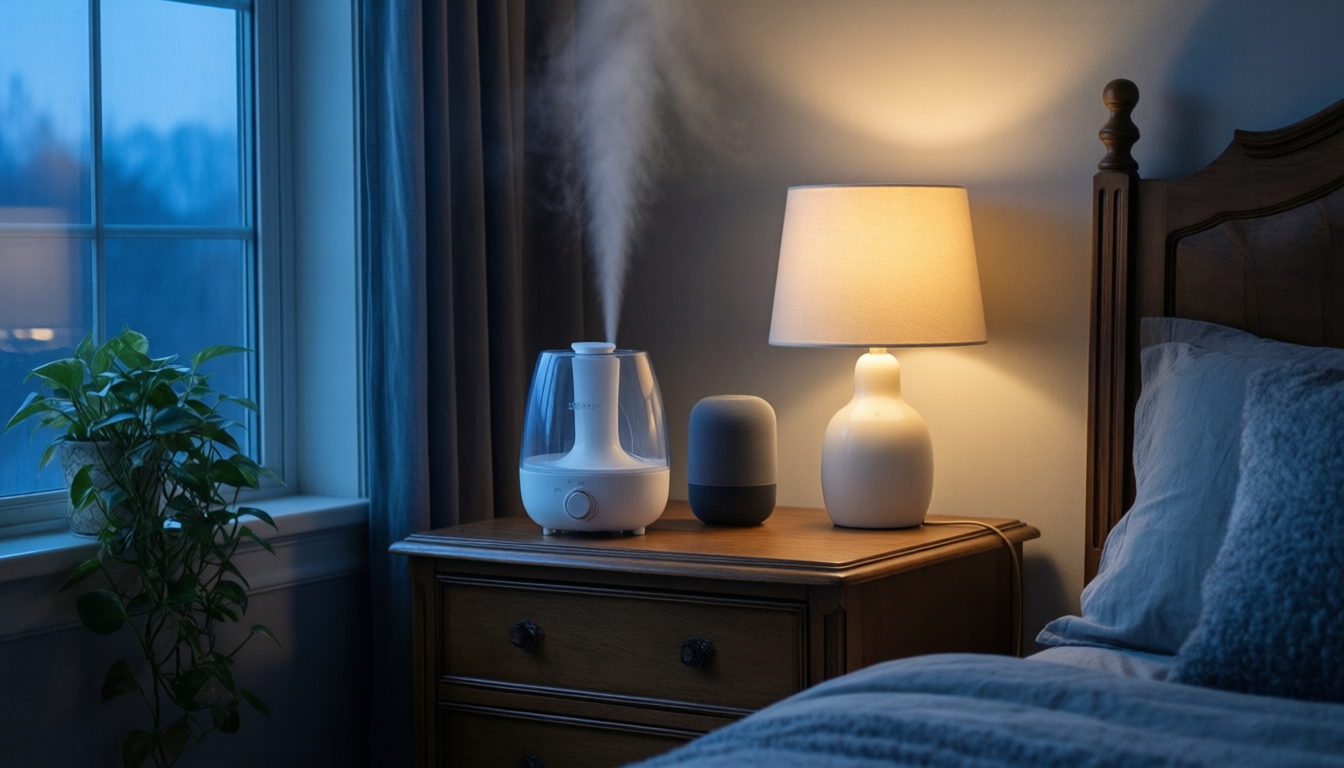
Our bedroom hygrometer read 28 percent all last winter, and I kept refilling a dumb humidifier that ran wide open until the tank was dry — 3 a.m., empty, humidistat never consulted. Then I did the math that made me replace it: a bedroom held at 40–45% instead of 30% feels several degrees warmer at the same thermostat setting, and every degree you stop chasing with the furnace is real money. Dry air is a heating bill you are choosing to pay, and a $30 smart plug is the cheapest fix on the market.
This is the renter-friendly, no-new-humidifier version: your existing humidifier (or dehumidifier, in July) becomes a scheduled, sensor-driven, voice-controlled appliance for about the cost of a pizza night. And if you are buying anyway, the two best-value smart humidifiers right now are Amazon-first-ecosystem picks — one that costs about $29 and one that costs about $70 — plus a $12 sensor that ties the whole automation together.
Amazon Basics Smart Plug 4-Pack — The $26 Foundation (Amazon Basics, 5% tier)
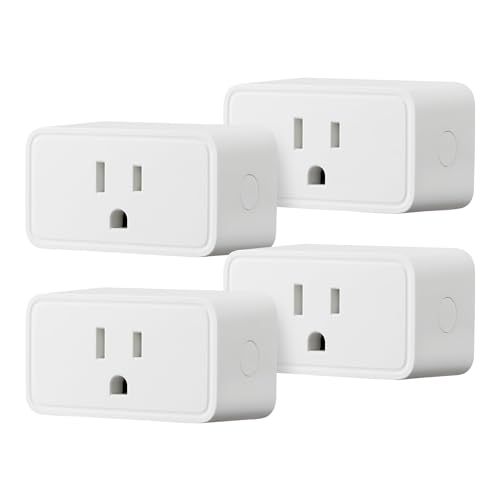
Amazon Basics Smart Plug, Works with Alexa Only, 4-Pack — about $26, roughly $6.50 per plug. One plug on the humidifier is all the automation takes; the other three go to the lamp, the fan, and the coffee maker, and the whole starter plan is still under $30. Setup is genuinely simple: plug in, open the Alexa app, done — no hub, no bridge, no app you will delete. The compact body leaves the second outlet free, and it carries the same UL listing the expensive plugs have.
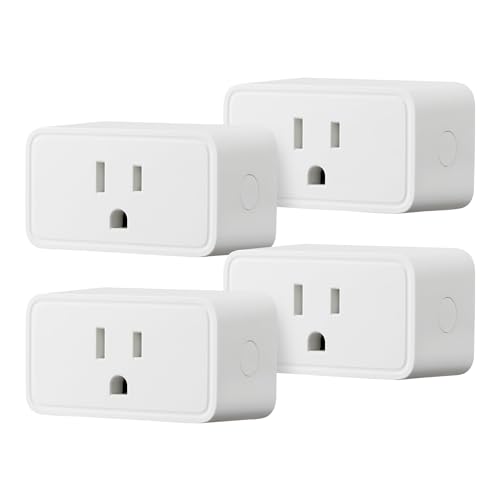
- Cost + installation reality: zero wiring, renter-friendly, works in any outlet; the only requirement is 2.4 GHz Wi-Fi and an Alexa speaker somewhere in the house.
- The honest con: Alexa only — no Google Home, no Apple Home, no third-party app. If your household is split-platform, this is the wrong plug; buy the Kasa equivalent instead.
- My take: the default choice for an Alexa home. At $6.50 each, the “buy one, try one” risk is basically zero.
GoveeLife 3L Smart Humidifier (H7141) — The Budget Smart Pick, ~$29
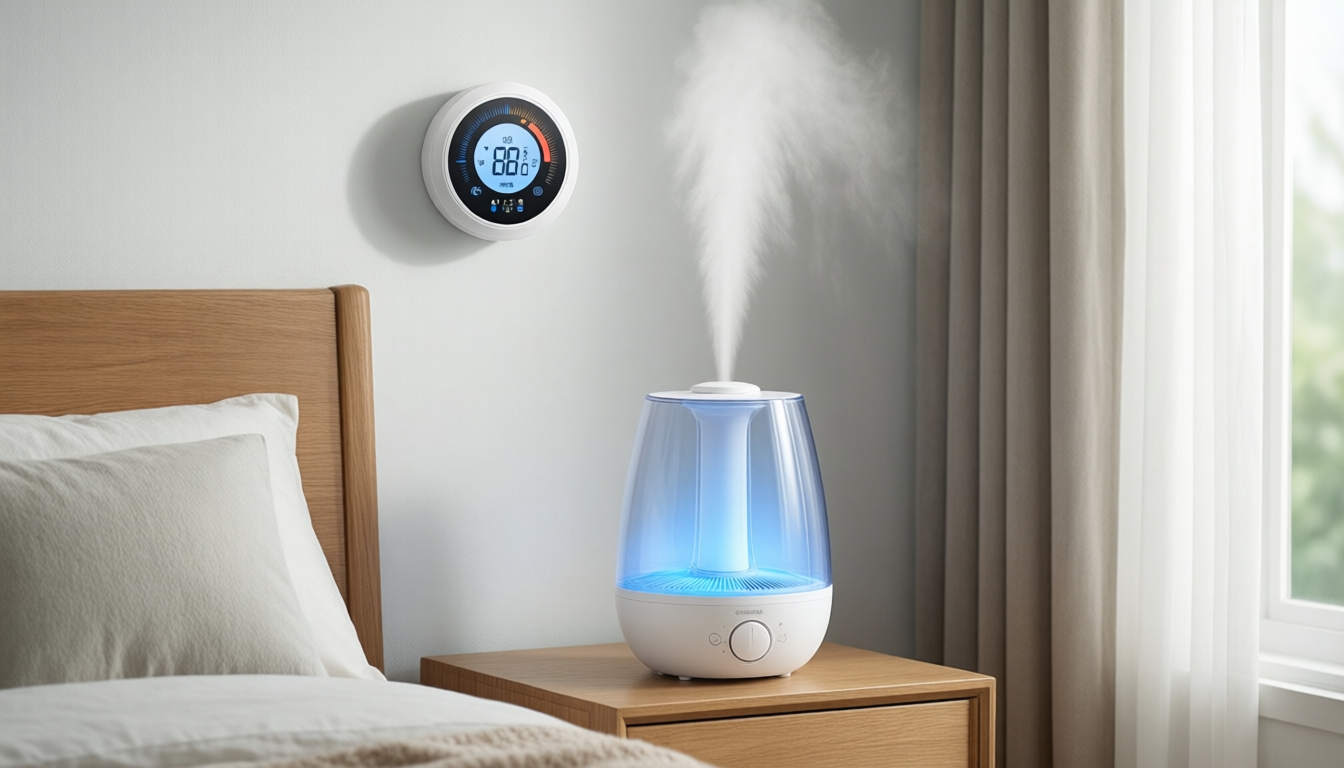
GoveeLife Smart Humidifier for Bedroom, 3L top-fill — about $29 (currently ~$28.99 after coupons). If you are starting from zero, skip the plug-adaptation entirely: this is a native smart humidifier with app schedules, humidity auto mode, an RGB night light, Alexa and Google support, and a 3L top-fill tank that runs up to 25–30 hours per fill. For a bedroom it is the best price-to-smarts ratio on Amazon, and the top-fill lid means no more carrying a full tank to the sink upside-down.

- Cost + installation reality: plug it in, connect it in the Govee Home app, done. Renter-friendly, 28 dB on low.
- The honest con: the built-in sensor is a rough guide — it reads the air at the unit, so a large bedroom can hit target at the device while your bed corner still feels dry. Pair it with a remote Bluetooth hygrometer (below) for honest numbers. Ultrasonic mist can also leave faint white dust on dark furniture with hard tap water.
- My take: the smart pick for bedrooms. If your “dumb humidifier” is older than your phone, replace it rather than smarten it.
Levoit Classic 300S 6L — The Big-Tank Whole-Room Pick, ~$70
Levoit Classic 300S Ultrasonic Smart Humidifier, 6L — about $70 (currently $69.99). The 300S is the one I put in the big room: 6L top-fill tank, 60-hour runtime at low output, built-in humidity sensor with an Auto mode that holds a target you set in the VeSync app, Alexa and Google voice control, plus aromatherapy. This is the unit that genuinely replaces a dumb humidifier-plus-plug setup, because the sensor, the schedule, and the mist output are all inside one device. It is also the unit to buy before winter instead of during it — 31,000-plus Amazon ratings, 4.4 stars, and it sells out in cold snaps.
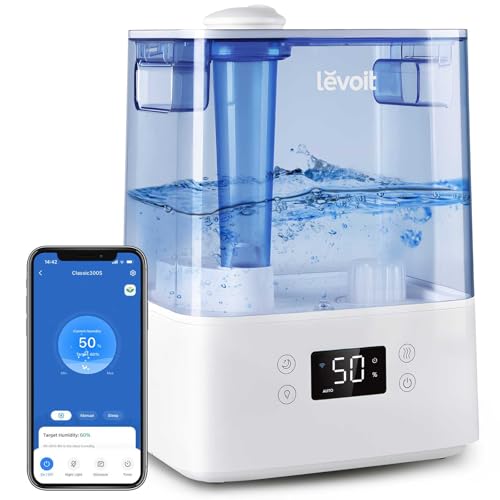
- Cost + installation reality: plug in, connect VeSync, set 45%, forget it. No wiring, no filter subscriptions.
- The honest con: ultrasonic mist with hard water means weekly descaling is not optional — skip it and the mist gate crusts up. And at 6L filled to the top it is a genuinely heavy two-hand carry.
- My take: if you will run a humidifier all winter in the main living space, pay for the 300S once and stop thinking about refills.
Govee H5075 Bluetooth Hygrometer — The Sensor That Makes Automation Honest, ~$12
Govee H5075 Bluetooth hygrometer — about $12. A smart plug is only as smart as the data it gets, and the humidifier’s built-in sensor is measuring its own exhaust. This battery puck reports the room’s real temperature and humidity to your phone over Bluetooth (164 ft range), stores two years of readings, and pairs with newer GoveeLife humidifiers so the device itself can react to the sensor instead of its own microclimate. Even without that pairing trick, logging the room for a week tells you exactly when the air dries out — which is how you build schedules that match your life instead of a default.

- Cost + installation reality: peel, stick on the far wall, done — no hub, no account needed for basic use.
- The honest con: Bluetooth only, so there is no away-from-home alerts without a separate WiFi Govee sensor, and the puck itself cannot switch anything on or off — it only reports.
- My take: buy it. It is the cheapest honest-data upgrade in the smart-humidity game, and it doubles as the sanity check for the whole setup.
Blink Outdoor 4 XR 2-Cam — The Fall Side Buy: Eyes on the Property, ~$93
Blink Outdoor 4 XR, 2-camera system — about $93 on deal. Not a humidity device, but the same fall shopping trip that protects your basement from a humidifier leak is the one where outdoor cameras go on sale. Two wireless cameras, two-year battery life, 2K live view, Sync Module XR, 1000 ft open-air range, up to 70% more reliable connections than WiFi-only Blink — and the local-storage trick: hold live-view and clips on a USB drive in the Sync Module and basic motion alerts stay free with no plan.
- Cost + installation reality: two screws per mount, batteries included, and the Sync Module plugs into any outlet near your router.
- The honest con: it is a required-hub system — without a Sync Module the cameras are paperweights — and person detection plus cloud backups want a Blink plan, so the free tier is genuinely basic.
- My take: if you are already leaning Amazon for the plugs, this is the ecosystem’s strongest October camera deal — just know what the subscription line items are before you buy.
Prime note: smart home gear goes cheapest during Prime events — grab a free 30-day Prime trial before the next drop. The 4-pack of plugs alone drops $6–8 during big sale events.
What Actually Saves Money (And What Doesn’t)
- What works: scheduling a humidifier to hold 40–45% overnight in the room you sleep in. You stop over-humidifying an empty room, the mist shuts off at target instead of running to empty, and 40%+ air simply feels warmer so you nudge the thermostat down a degree instead of up.
- What doesn’t: humidifying the whole house from one hallway unit. Water is the cheap part; the electricity for a 500 mL/h mist gate is not, and one device cannot move that much moisture across floors.
- What works: the $12 hygrometer first. One week of real room data tells you whether you need any hardware at all — plenty of homes are already in the healthy 40–50% band and the fix is a schedule, not a purchase.
- What doesn’t: buying a “smart” humidifier when a $6.50 plug makes your existing one smarter than most. Device-first thinking is the most expensive habit in this hobby.
The Savings Math
Humid air holds heat against your skin better, so most people feel just as comfortable with the thermostat set about 1°F lower at 40% RH than at 30%. If heating costs roughly 3% of your bill per degree over the season, a 1° setback on a $1,200 winter heating bill is roughly $36. The gear: $26 (4-pack) + $12 (hygrometer) = $38 total, which pays back in one season and every winter after is profit. Add a $29 smart humidifier replacing a wasteful old one and payback stretches to two seasons — still cheap compared to any HVAC gadget with a subscription.
One more trap to skip: descaling. A $1.50 bag of citric acid a season beats a $25 “cleaning kit,” and a neglected ultrasonic plate is the number one killer of these devices.
For more on the schedule side, our smart thermostat schedule guide shows the degree-setback math in full, and the smart plugs starter plan covers what else those four plugs should be running.
CleverHomeClub is reader-supported. As an Amazon Associate, I earn from qualifying purchases. That means if you buy through one of the links above, I get a small commission at no extra cost to you. I only recommend devices I’d run in my own home.
🏠 Get Your Free Smart Home Setup Checklist
Join our newsletter and get this free printable plus weekly tips.