
This article contains affiliate links. We may earn a commission from qualifying purchases.
Some content on this site is AI-assisted and reviewed by our editorial team.
The Short Answer
Yes, a smart thermostat saves most households 8-15% on heating and cooling costs, which is roughly $50-$130 per year. It pays for itself in 1-3 years for most people. The savings depend on your climate, habits, and whether you actually use the smart features.
But there are real scenarios where a smart thermostat saves you almost nothing. We’ll break down the math, the honest exceptions, and how to know which category you fall into.
Where the Savings Actually Come From
Smart thermostats save money by automating temperature setbacks when you leave or sleep. Only 30% of programmable thermostats are actually programmed. Smart thermostats do the work automatically through occupancy sensing, learning schedules, and geofencing.
A programmable thermostat can save money too. The difference is that most people never program theirs. The EPA estimates that only 30% of programmable thermostats are actually programmed. The rest sit on “hold” at one temperature forever.
Smart thermostats save money because they do the work automatically:
- Occupancy sensing: Detects when you leave and sets back the temperature. No more heating an empty house for 8 hours.
- Learning schedules: Nest and Ecobee learn your patterns over time and build a schedule without you lifting a finger.
- Geofencing: Uses your phone’s location to start heating or cooling before you arrive, so you’re comfortable without wasting energy while away.
- Remote adjustments: Forgot to turn down the AC before a weekend trip? Fix it from your phone in 10 seconds.
The key insight: smart thermostats save money primarily by fixing the “forgot to adjust” problem. If you already religiously program a thermostat, the smart version saves you less.
The Real Math: What You’ll Actually Save
Savings range from $20/year in mild climates to $130/year in cold climates. Quick formula: take your annual heating and cooling bill and multiply by 10% for a rough estimate of your savings.
EnergyStar estimates average savings of about $50/year for a single-family home. But that “average” hides a huge range:
- Cold climate (Northeast, Midwest), gas heat: $80-$130/year savings. Heating is your biggest expense, and setback from 70°F to 62°F for 8+ hours adds up fast.
- Hot climate (South, Southwest), central AC: $60-$110/year savings. AC is your biggest cost, and letting the house warm up while you’re away saves noticeably.
- Mild climate (Pacific Northwest, coastal California): $20-$50/year savings. Your heating and cooling costs are already low. A smart thermostat barely moves the needle.
- Small apartment (under 800 sq ft): $15-$40/year. Your HVAC costs are low to begin with. Payback period stretches to 3-5 years.
Quick formula: Take your annual heating + cooling bill and multiply by 10%. That’s a rough estimate of your savings. If your HVAC costs $1,200/year, expect ~$120 in annual savings.
Smart Thermostat Costs (2026)
Smart thermostats range from $50 (Amazon Smart Thermostat) to $250 (Nest Learning 4th Gen). Payback ranges from 1 year for the cheapest model to 2.5 years for the most expensive in cold or hot climates.
- Google Nest Learning Thermostat (4th Gen): ~$250 — Learns your schedule automatically, sleek design, works with most systems
- Ecobee Smart Thermostat Premium: ~$230 — Includes room sensor, best for multi-zone homes, built-in speaker
- Honeywell Home T5 Smart Thermostat: ~$100 — Budget pick, basic smart features, geofencing, no learning
- Amazon Smart Thermostat: ~$50 — Cheapest option, Alexa-dependent, basic scheduling, no learning
Payback timeline:
- Nest at $250 with $100/year savings = 2.5 years
- Ecobee at $230 with $100/year savings = 2.3 years
- Honeywell T5 at $100 with $80/year savings = 1.25 years
- Amazon at $50 with $50/year savings = 1 year
In cold or hot climates, even the expensive thermostats pay for themselves in under 3 years. In mild climates with small spaces, the math gets tighter.
When a Smart Thermostat Saves You Almost Nothing
A smart thermostat saves almost nothing if someone is always home, you already program a thermostat, you live in a mild climate, your HVAC is old and inefficient, or you are a renter who moves every 1-2 years.
Be honest with yourself about these scenarios:
- Someone is always home. Occupancy sensing and geofencing don’t help if the house is never empty. Your savings come only from schedule optimization, which is modest.
- You already have a programmed thermostat. If you’ve already set up a 5-1-1 or 7-day schedule on a programmable thermostat, a smart thermostat adds maybe 2-5% savings on top of that.
- You live in a mild climate. If your annual HVAC bill is under $400, a 10% savings is $40/year. It’ll take 2-6 years to break even depending on the thermostat.
- Your HVAC system is old and inefficient. A smart thermostat optimizes scheduling, not equipment efficiency. If your furnace is 70% AFUE, no thermostat will change that.
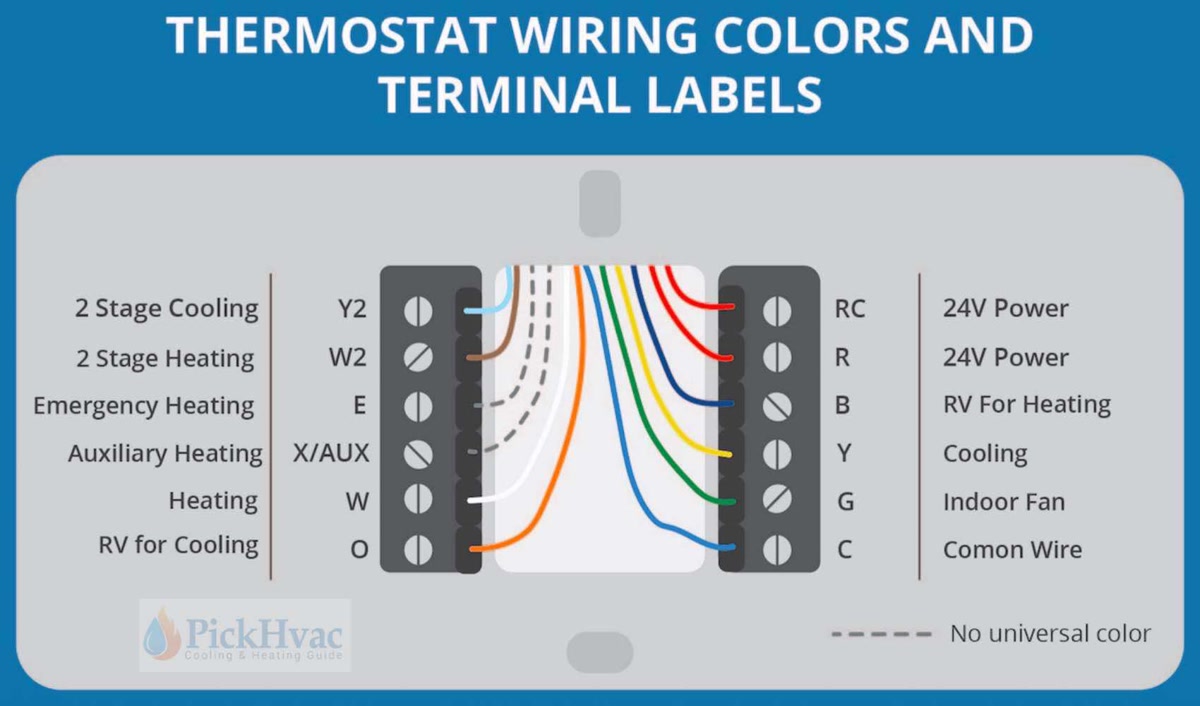
- You’re a renter who moves every 1-2 years. Most smart thermostats require a C-wire (common wire). Installing and removing them isn’t trivial, and you’ll leave money on the table if you move before payback.
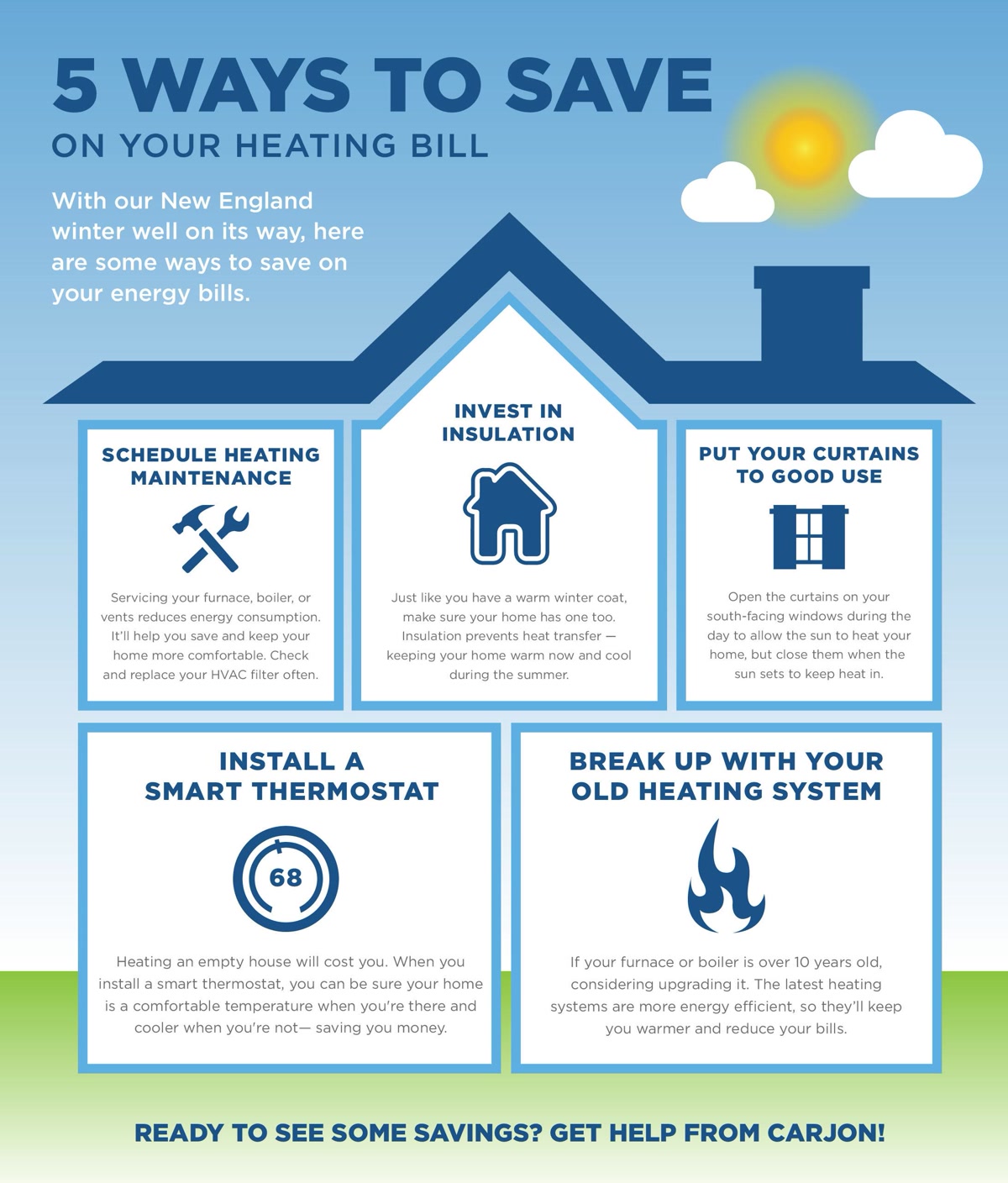
The Features That Actually Matter
The most important feature is home/away detection, which is the number one money saver. Room sensors help in larger homes with temperature imbalances. Learning thermostats suit irregular schedules; programmable ones suit predictable routines.
Not all smart thermostat features are created equal. Here’s what’s worth paying for:
- Home/away detection (critical): This is the #1 money saver. If a thermostat can’t detect when you leave, you’re just paying for a fancy timer.
- Room sensors (valuable for larger homes): Ecobee’s remote sensors let the thermostat average temperatures across rooms. If your bedroom is always 5 degrees warmer than the living room, this fixes that.
- Learning vs. scheduling: Nest learns your patterns automatically. Ecobee and Honeywell rely more on explicit schedules. Learning is better if you have an irregular schedule; scheduling is better if you want predictability.
- Multi-zone support: If you have multiple HVAC zones, make sure the thermostat supports it. Nest doesn’t do this well; Ecobee does.
- C-wire requirement: Most smart thermostats need a C-wire for power. If you don’t have one, you’ll need a power extender kit (Ecobee includes one) or an adapter (Nest sells one for ~$30).
Smart Thermostat + Smart Plugs: The Combo Move
Pairing a smart thermostat with smart plugs on space heaters and fans can push savings above 20%. Use the thermostat’s away mode to trigger plugs that kill supplemental heating and cooling devices automatically.
Here’s a strategy most people miss: pair your smart thermostat with smart plugs on high-draw devices for compound savings.
- Set your thermostat to “away” mode when you leave the house
- Use that same trigger to turn off space heaters, fans, and dehumidifiers on smart plugs
- Use energy-monitoring plugs to track how much your space heaters and window AC units actually cost
- You might find that a $20 space heater running 6 hours a day costs more than your central heat on low — and a smart plug can kill it automatically
The combined savings from thermostat + plug automation can exceed 20% in homes with supplemental heating or cooling devices.
Ecobee vs. Nest: Which Saves More?
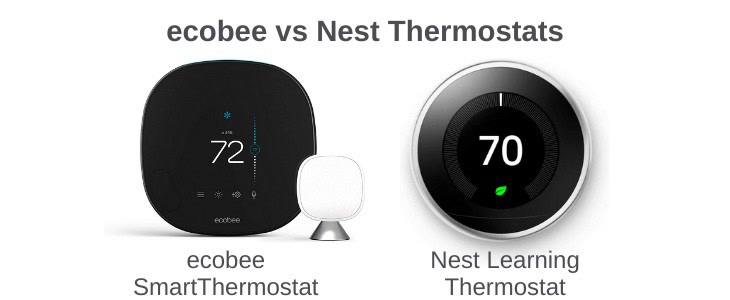
Nest and Ecobee save roughly the same 8-15% in EPA testing. Ecobee edges ahead in homes with hot or cold rooms thanks to its remote sensors. Nest wins for set-it-and-forget-it simplicity. The dollar difference is about $10-$20 per year.
The two most popular smart thermostats take different approaches to saving energy:
- Nest Learning Thermostat: Learns your schedule over 1-2 weeks and builds an automatic program. Best for people with regular routines who don’t want to think about their thermostat. The interface is simple — turn the ring, set the temperature. That’s it.
- Ecobee Smart Thermostat Premium: Relies on occupancy sensors and remote room sensors to detect when you’re home and which rooms need conditioning. Best for homes with temperature imbalances, families with irregular schedules, or anyone who wants more granular control.
Savings comparison: Both save roughly the same amount (8-15%) in EPA testing. Ecobee edges ahead in homes with hot/cold rooms because its sensors prevent over-conditioning unused spaces. Nest wins for set-it-and-forget-it simplicity. The difference in dollar savings between them is maybe $10-$20/year — not enough to tip the decision either way.
Pick based on your home layout and how much control you want, not on marginal savings differences.
The Bottom Line
A smart thermostat saves most homeowners $50-$130 per year and pays for itself in 1-3 years. If you have real heating or cooling costs and do not already program a thermostat, it is one of the best smart home investments you can make. In mild climates or small spaces, a $25 programmable thermostat may be the better buy.
A smart thermostat will save most homeowners $50-$130 per year, paying for itself in 1-3 years. If you live in a climate with real heating or cooling costs and you don’t already meticulously program a thermostat, it’s one of the smartest smart home investments you can make. If you’re in a mild climate, a small space, or already disciplined with your thermostat, the savings may not justify the cost — grab a basic programmable thermostat for $25 and call it done.
🏠 Get Your Free Smart Home Setup Checklist
Join our newsletter and get this free printable plus weekly tips.