This article contains affiliate links. We may earn a commission from qualifying purchases.
Some content on this site is AI-assisted and reviewed by our editorial team.
Why Humidity Matters More Than Temperature
Most people obsess over thermostat settings but ignore the moisture in their air. Here is the thing: humidity affects how hot your home actually feels. A 78-degree room at 30 percent humidity feels comfortable. That same room at 70 percent humidity feels like a sauna. Your body cools itself through evaporation, and when the air is already saturated with water, sweat cannot evaporate. You feel hotter, you run the AC harder, and your energy bill climbs.
Smart home humidity control fixes this. With the right sensors, automations, and a dehumidifier that talks to your thermostat, you can keep humidity between 40 and 50 percent year-round — the range where most people feel comfortable and where dust mites and mold struggle to grow.
The Numbers That Actually Matter
Before buying anything, understand the targets:
- 30-50 percent relative humidity — the comfort zone for most homes
- Above 60 percent — mold risk increases, dust mites thrive, wood warps
- Below 30 percent — dry skin, static shocks, respiratory irritation
- Summer target: 40-50 percent — balances comfort and mold prevention
- Winter target: 30-40 percent — prevents window condensation in cold climates
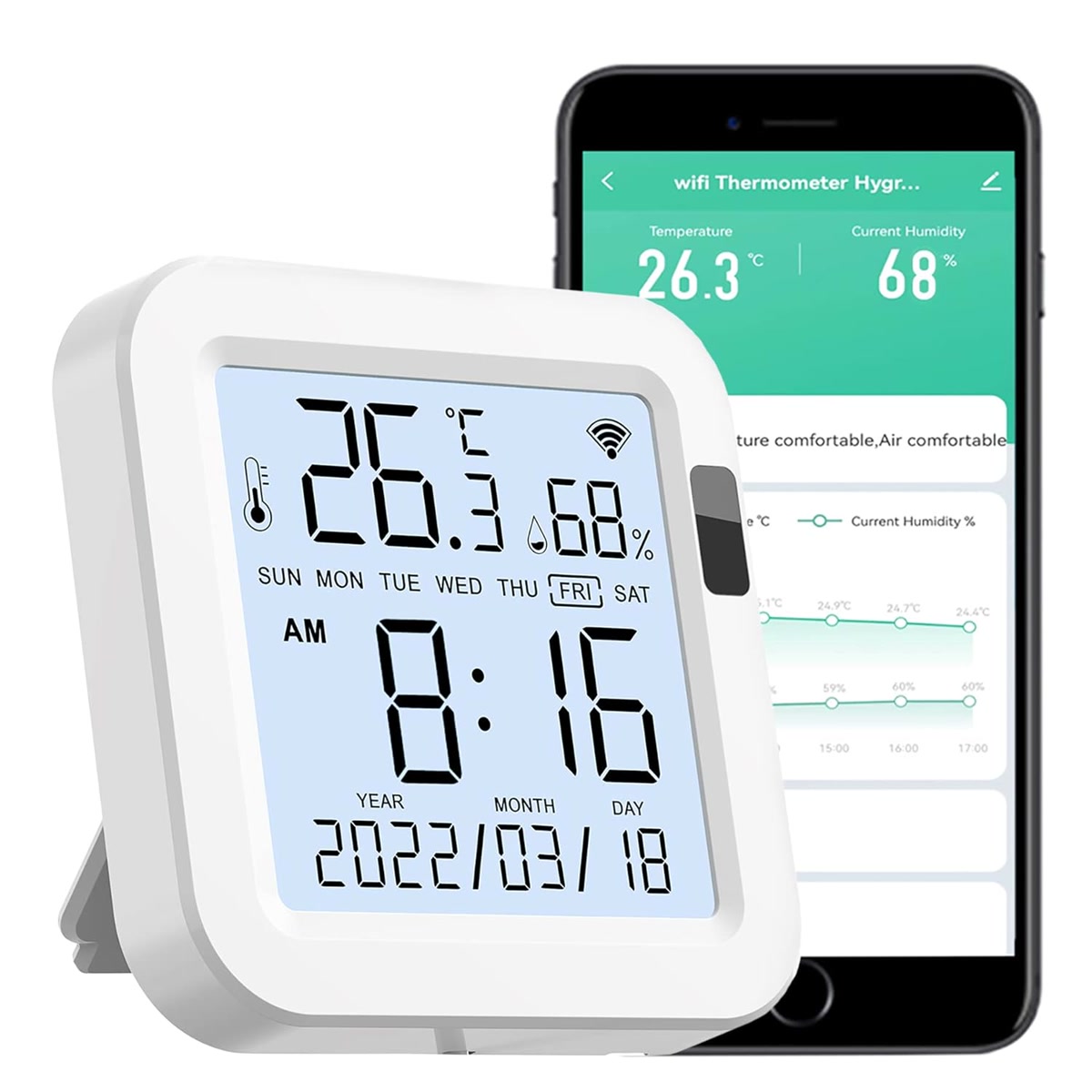
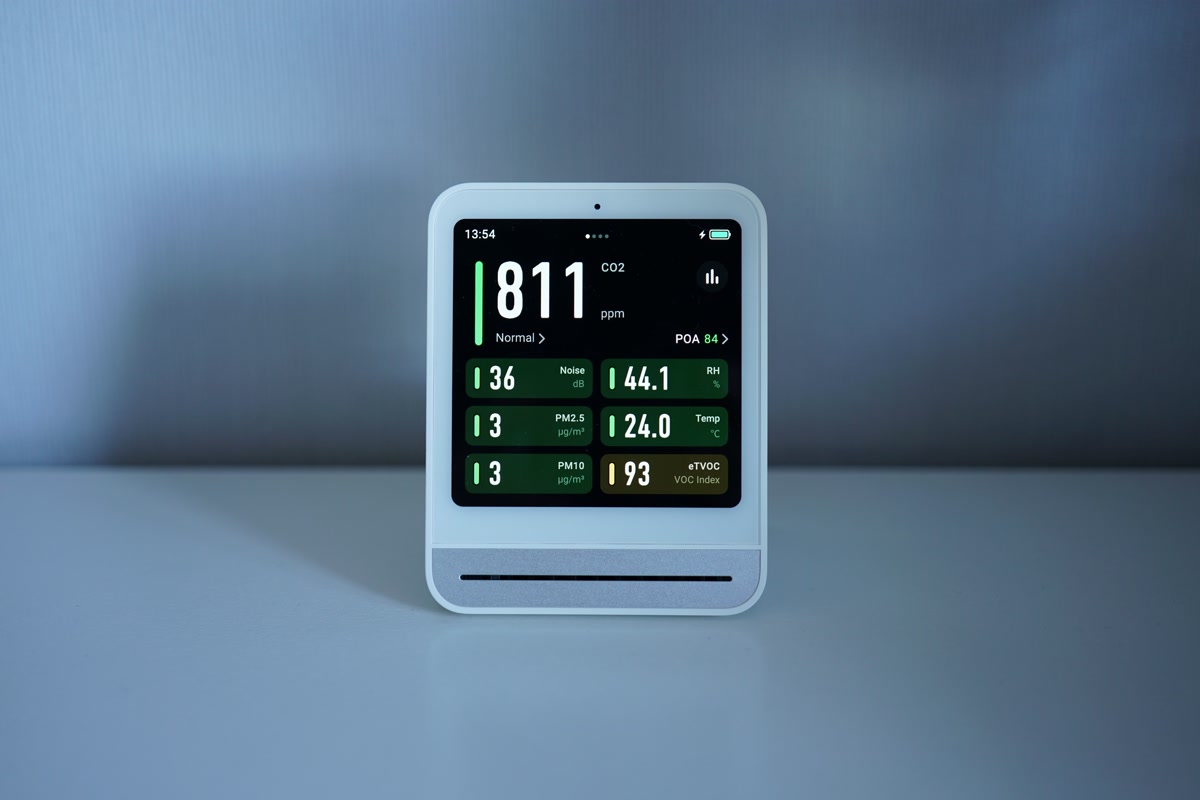
A Govee Thermometer Hygrometer (Compare prices on Amazon) costs under 15 dollars and gives you real-time humidity readings on your phone. Start there. You cannot fix what you cannot measure.
Smart Dehumidifiers Worth Buying
1. Midea 50-Pint Cube (250 to 300 Dollars)
The Midea Cube (Compare prices on Amazon) is the best smart dehumidifier for most homes. It connects to Wi-Fi so you can set target humidity and monitor levels from the Midea app or through Alexa and Google Assistant. The lift-and-twist bucket design makes emptying easy, and it can drain continuously with a hose. It pulls 50 pints per day, which handles basements up to 4,500 square feet.
2. Frigidaire 35-Pint Dehumidifier (180 to 220 Dollars)
For smaller spaces or tighter budgets, the Frigidaire 35-Pint (Compare prices on Amazon) gets the job done. It has Wi-Fi control through the Frigidaire app, a washable filter, and continuous drain capability. At 35 pints per day it covers rooms up to 2,000 square feet — solid for a single floor or large basement.
3. hOmeLabs 22-Pint Energy Star (160 to 190 Dollars)
Affordable and effective for apartments or single rooms. The hOmeLabs 22-Pint (Compare prices on Amazon) is Energy Star rated, runs quietly, and has a built-in humidistat. No Wi-Fi on the base model, but you can plug it into a smart plug (Compare prices on Amazon) and automate it based on your Govee sensor readings.
Automations That Actually Work
Here are three automations that make humidity control hands-off:
- Dehumidifier on above 55 percent: When your Govee sensor reads above 55 percent humidity, trigger your smart plug or smart dehumidifier to turn on. Turn it off when humidity drops below 45 percent.
- Bathroom fan extend: Most bathroom humidity spikes last 30 to 45 minutes after a shower. Use a humidity sensor in the bathroom to keep the exhaust fan running until humidity drops below 50 percent — no more guessing when to turn it off.
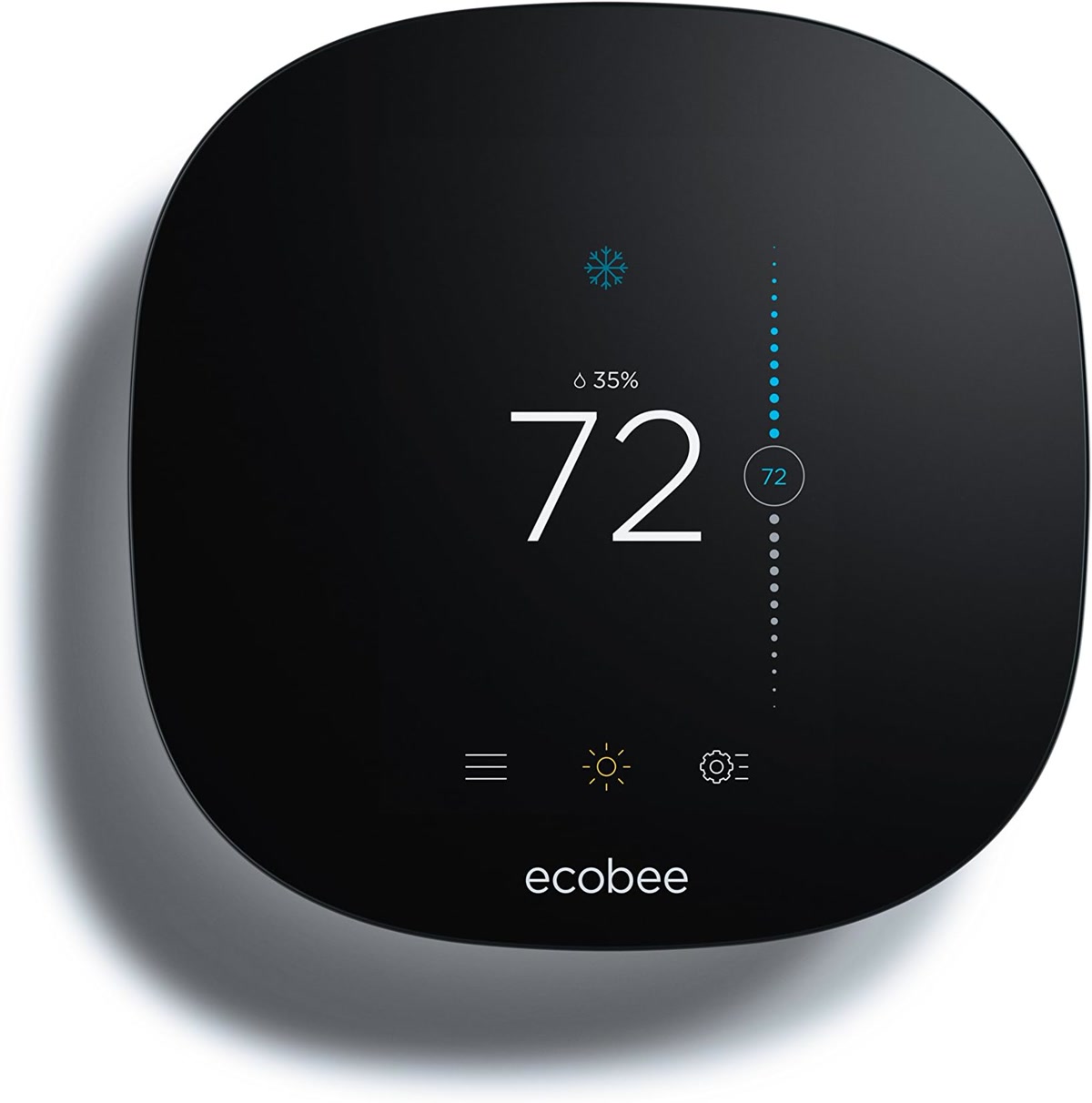
- AC humidity assist: If you have a smart thermostat like an Ecobee Smart Thermostat Premium (Compare prices on Amazon), set it to overcool by 2 degrees when humidity exceeds 60 percent. Your AC doubles as a dehumidifier when it runs longer cycles.
All three automations work with Alexa Routines, Google Home, or Home Assistant. The Govee sensor is the trigger; the dehumidifier, fan, or thermostat is the action.
Whole-House vs Room-by-Room Approach
If you have central air, your AC already removes some humidity — but it may not be enough on muggy days. Here is how to decide:
- Whole-house dehumidifier (800 to 1,500 dollars installed) ties into your HVAC ductwork. Best if your entire home sits above 55 percent humidity for weeks at a time. Brands like AprilAire integrate with smart thermostats for automatic control.
- Portable dehumidifier (150 to 300 dollars) targets problem rooms — basements, bathrooms, laundry rooms. More flexible, easier to maintain, and you can move it seasonally.
For most homes, a portable unit in the basement plus a humidity sensor in the living area is the sweet spot. You spend 200 to 300 dollars instead of 1,000, and you can always upgrade later.
Summer vs Winter Strategy
Humidity control is a year-round job, but the strategy flips:
- Summer: Dehumidify aggressively. Target 40 to 50 percent. Run dehumidifier in basement and use AC to assist upstairs. Open windows only when outdoor humidity is below 45 percent.
- Winter: Your heating dries the air. Target 30 to 40 percent. You may need a humidifier instead of a dehumidifier. Many smart humidifiers like the Levoit OasisMist (Compare prices on Amazon) have Wi-Fi control and can trigger based on low humidity readings.
The same Govee sensors work year-round. Just swap the automation targets when the seasons change.
Mistakes That Waste Money
- Running a dehumidifier 24/7: Use a humidity sensor trigger instead. Dehumidifiers draw 200 to 700 watts — leaving one on all day wastes 3 to 8 dollars per week.
- Putting the dehumidifier in the wrong room: Place it where humidity is highest (usually basement or ground floor), not in your bedroom.
- Ignoring the drain bucket: If your unit cannot drain continuously, it will shut off when full and humidity will climb back up. Use a hose drain or place the unit near a floor drain.
- Not cleaning the filter: A clogged dehumidifier filter cuts efficiency by 30 percent or more. Clean it monthly during summer.
- Leaving windows open on humid days: One hour of open windows on a 70 percent humidity day can undo 6 hours of dehumidifier runtime.
The Bottom Line
Smart humidity control is one of those upgrades that pays for itself. A 15-dollar sensor and a 200-dollar dehumidifier can cut your AC runtime by 15 to 20 percent because your home feels comfortable at higher temperatures when humidity is under control. Start with a Govee sensor, add a smart dehumidifier or smart plug for your existing unit, and automate the on/off cycle based on actual humidity readings. Your comfort improves and your energy bill drops — that is the whole point of a smart home.
n
🏠 Get Your Free Smart Home Setup Checklist
Join our newsletter and get this free printable plus weekly tips.