This article contains affiliate links. We may earn a commission from qualifying purchases.
Some content on this site is AI-assisted and reviewed by our editorial team.
You saw the TikTok. A cat presses a button, food drops, the camera pans, and the owner watches from work with a smile. Cute, right? But then you look at the price tag. Two hundred dollars for a cat feeder with a camera. Another hundred for the app subscription. And somehow, your cat still screams at you when you get home like you never fed it. So do smart pet feeders actually work, or are they just expensive ways to feel less guilty about leaving your pets alone?
What Smart Pet Feeders Actually Do
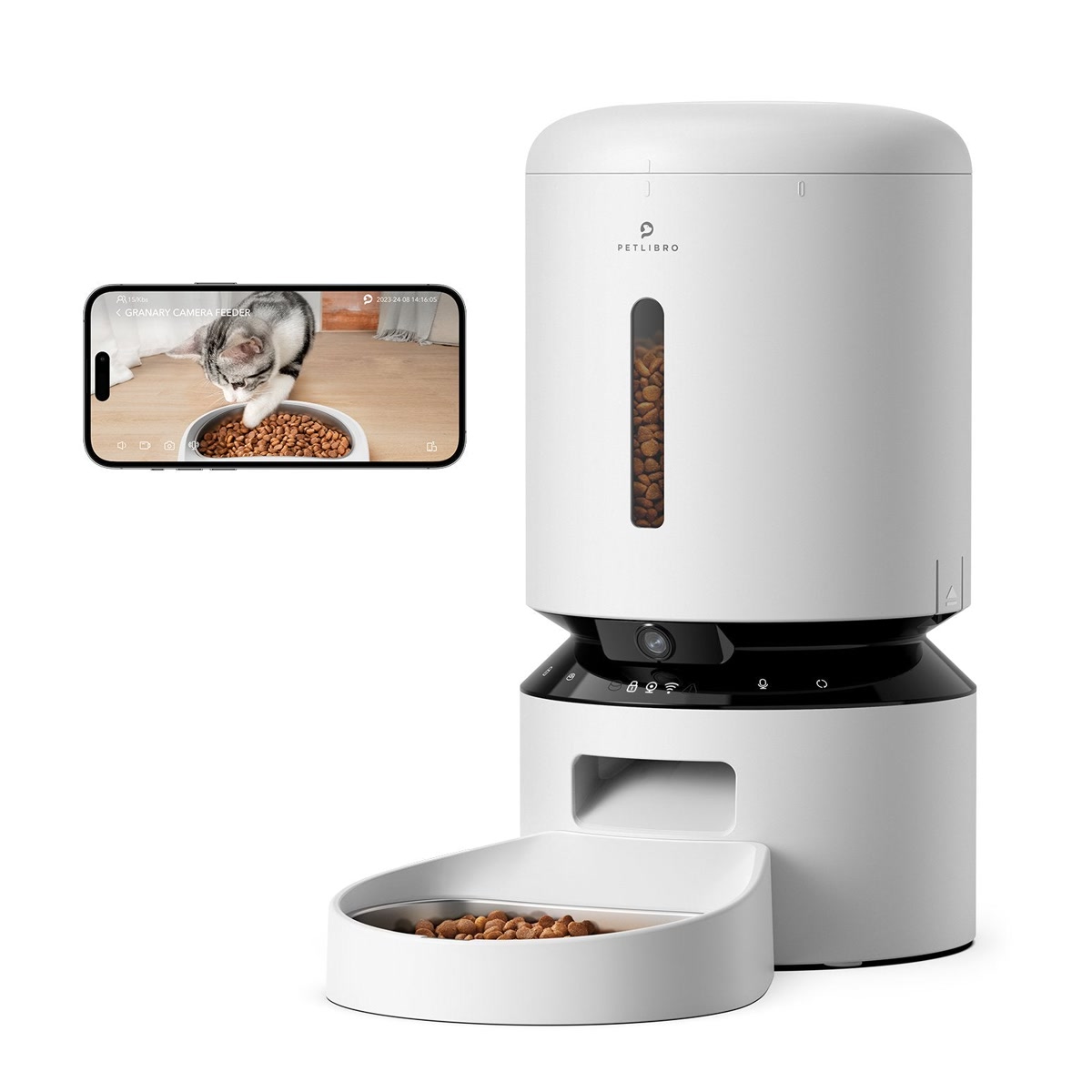
A smart pet feeder is a programmable food dispenser with WiFi. The core features are straightforward: you set a schedule, it dispenses food at the right time, and you can control it from your phone. The better ones add a camera so you can watch your pet eat, a two-way audio system so you can talk to them, and portion control so they don’t overeat.
The key question is whether any of that actually solves a real problem you have. Let’s break it down by use case.
Who Actually Benefits From a Smart Feeder
People who work long or unpredictable hours
If you’re regularly away for 10 to 12 hours, a scheduled feeder keeps your pet on a consistent eating schedule without you having to rush home. This matters more for cats than dogs — cats are fine grazing, but dogs do better with set mealtimes. A smart feeder with portion control means you can dispense exactly the right amount at exactly the right time, even if you’re stuck in a meeting.
Multi-pet households with dietary conflicts
If you have one cat on prescription food and another on regular kibble, a smart feeder with RFID tags (like theSureFeed Microchip Pet Feeder) can ensure only the right pet eats from the right bowl. This is one of the few use cases where a smart feeder genuinely solves a problem that a bowl and a scoop cannot.
People monitoring a pet’s appetite
Changes in eating habits are often the first sign of illness in pets. Smart feeders with weight sensors track how much your pet actually consumes at each meal. If your cat normally eats 60 grams at dinner and suddenly drops to 20, the app sends you an alert. That’s genuinely useful, especially for older pets or pets with chronic conditions. ThePetlibro Granary andfeeder models with weight tracking both offer this feature.
The Feeder Models Worth Considering
Petlibro Granary — Best Overall
The Petlibro Granary is the best balance of price, reliability, and features. It handles dry and semi-moist food, has a solid app, programmable schedules, and the portion control is accurate enough for most pets. The camera version adds two-way audio and 1080p video, though the night vision is mediocre. At around 80 to 100 dollars for the basic model and 140 for the camera version, it’s the feeder I’d recommend to most people.
WOPET — Best Budget Option
If you just need scheduled feeding without the camera, theWOPET automatic feeder does the job for 50 to 60 dollars. The app is less polished, the portion control is less precise (it dispenses in increments rather than weighing), and there’s no camera. But for keeping your cat fed on a schedule, it works reliably.
SureFeed Microchip — Best for Multi-Pet Homes
The only feeder that solves the “wrong pet eating the wrong food” problem. It reads your pet’s microchip or an RFID tag on their collar and only opens for the designated pet. At around 150 dollars per station, it’s expensive if you need multiple units. But if you have one cat on a special diet, it’s worth every penny. No camera, no app scheduling — it’s purely an access-control device.
Smart Pet Monitors: Cameras, Trackers, and Litter Boxes
Pet cameras are a different product category from feeders, but they’re often bundled together in marketing. Here’s the honest breakdown:
Pet cameras with treat-tossing
TheFurbo Dog Camera is the most popular. It’s a 1080p camera with two-way audio, night vision, barking alerts, and a treat-tossing feature. The treat toss is fun for about two days. After that, you’ll never use it again. The camera quality is good, the barking alerts work (mostly), and the two-way audio is fine. But for 170 dollars plus a subscription for full features, you’re paying a premium for the treat launcher.
A better value: buy a regular indoor security camera (like aWyze Cam v4 for 36 dollars) and skip the treat feature. You get the same monitoring capability for a quarter of the price. For more on indoor cameras, see ourRing vs Wyze camera comparison.
GPS pet trackers
TheFi Series 3 collar andTractive GPS tracker both offer real-time location tracking for dogs. They work — the GPS is accurate enough, the battery lasts a few days, and the geofencing alerts are useful if your dog is an escape artist. The subscription costs 10 to 15 dollars per month, which adds up. Only worth it if your dog has a history of getting out or if you hike off-leash in areas with poor visibility.
Smart litter boxes
TheLitter-Robot 4 is the gold standard at 650 dollars. It automatically sifts waste after each use, tracks usage via app, and reduces odor significantly. The app data is actually useful for monitoring cat health — changes in litter box frequency can indicate urinary issues. But at 650 dollars, it’s a luxury. ThePetSafe ScoopFree Smart is a cheaper alternative at around 200 dollars, but the crystal litter it requires is more expensive long-term and the self-cleaning mechanism is less reliable.
What Doesn’t Work Well
- WiFi-dependent feeding. If your internet goes down, most smart feeders switch to a backup schedule stored on the device. But some don’t — and you come home to an angry, unfed pet. Check the specs before buying.
- Wet food dispensing. Very few smart feeders handle wet food reliably. The ones that try usually have humidity and spoilage issues. If your pet eats wet food, you still need a human.
- App reliability. Petlibro’s app is decent. WOPET’s app is functional but clunky. Far too many smart feeder apps are buggy, slow, or require reconnecting every few weeks. Read recent reviews before buying.
- Treat-tossing cameras. Fun feature, useless in practice. The treats jam, the launch angle is unpredictable, and most pets figure out the sound within a week and come running every time it activates — even when you’re not watching.
- Subscription costs. Many smart pet devices require monthly subscriptions for full functionality. A 100 dollar feeder with a 5 dollar per month subscription costs 260 dollars over three years. Factor that in.
When a Regular Feeder Is Fine
If you work from home, or if you have a consistent schedule where someone is always home for mealtimes, a smart feeder is unnecessary. A 20 dollar programmable feeder from the pet store does the same job without WiFi. You only need the “smart” part if you need remote control, monitoring, or portion tracking.
Similarly, if your pet is a grazer who self-regulates their food intake, any bowl works. Smart feeders are most useful for pets that need scheduled, portioned meals — which is most dogs and many cats.
Integration With Your Smart Home
Most smart pet feeders don’t integrate with HomeKit, Alexa, or Google Home in any meaningful way. You can sometimes hack it together withHome Assistant if the feeder has a local API, but out of the box, pet tech lives in its own ecosystem. This is fine — you don’t need your feeder connected to your lights. But it’s worth knowing if you expect deep integration.
The one useful integration: connecting a smart pet camera to your existing security camera setup. If you’re already usingWyze or Ring cameras, adding one more camera in the pet zone gives you monitoring without paying for a separate pet-specific camera subscription.
The Bottom Line
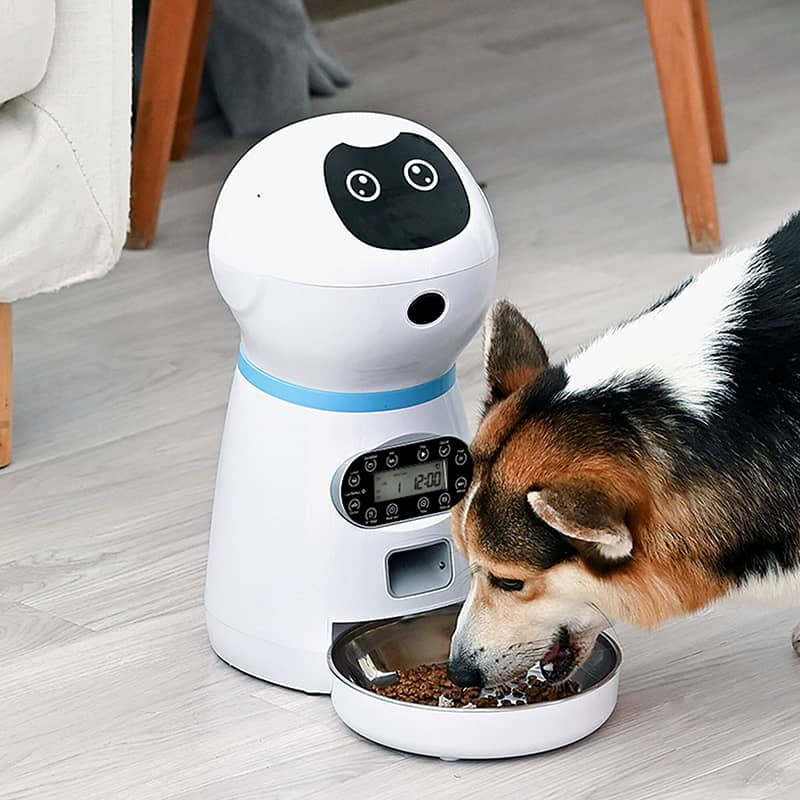
Smart pet feeders work well for scheduled, portion-controlled feeding when you can’t be home. Smart pet cameras are overpriced for what they do — buy a regular indoor camera instead. Smart litter boxes are genuinely useful for health monitoring but expensive. And the treat-tossing feature on every pet camera is fun for exactly two days, then you’ll never use it again. Spend your money on a reliable feeder with good portion control and a cheap camera, and you’ll get 90 percent of the benefit at 30 percent of the cost.
n
🏠 Get Your Free Smart Home Setup Checklist
Join our newsletter and get this free printable plus weekly tips.