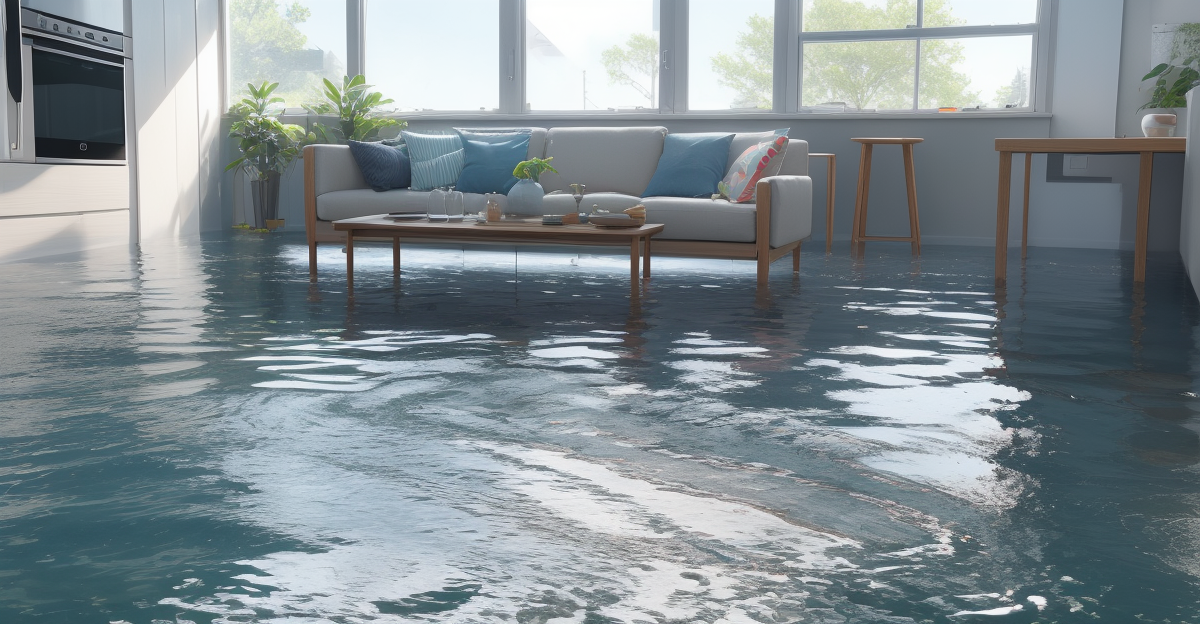
Water damage costs homeowners an average of 11,000 dollars per incident — and most of it happens silently, behind walls, under appliances, and in places you never think to check. A 30-dollar sensor can prevent a 10,000-dollar disaster.
Smart water leak detectors are the most underrated devices in smart home. They cost less than a takeout dinner, install in seconds, and can save you from the single most expensive common homeowners insurance claim. Yet most people never think about them until it is too late.
This guide covers the detectors worth buying, where to place them, and how to set up automations that actually protect your home.
How Smart Water Leak Detectors Work
Smart leak detectors are simple devices. Two metal contacts on the bottom detect the electrical conductivity of water. When water bridges the contacts, the detector sends an alert to your phone and optionally triggers alarms, smart home automations, or automatic water shutoff valves.
The better models add temperature and humidity sensors. This matters because:
- Frozen pipes — A temperature drop below 40 degrees Fahrenheit means your pipes are at risk. The detector alerts you before they freeze and burst.
- High humidity — Sustained humidity above 70 percent creates mold conditions. You get a warning before you see (or smell) the problem.
- Slow leaks — A humidity spike in a crawl space can indicate a slow pipe leak that would take months to discover visually.
The 5 Best Smart Water Leak Detectors in 2026
1. GoveeLife Wi-Fi Water Leak Detector — Best Overall
Govee makes the best value leak detectors on the market. For under 20 dollars per sensor, you get Wi-Fi connectivity (no hub required), a loud 100-decibel alarm, and temperature/humidity monitoring. The app is straightforward and push notifications arrive within seconds.
- Connectivity: Wi-Fi (no hub needed)
- Sensors: Water, temperature, humidity
- Alarm: 100 dB built-in siren
- Battery: 2 AAA batteries, approximately 12 months
- Smart home: Alexa, Google Home, IFTTT
- Price: Approximately 15 to 20 dollars per sensor, 3-packs available
The killer feature is the price. At 15 dollars, you can afford to put sensors everywhere — under every appliance, in every bathroom, behind the laundry machine. That is exactly the strategy that prevents expensive damage.
Where it falls short: No Thread or Matter support. The app can be cluttered with notifications from other Govee devices. No automatic shutoff valve integration.
2. Aqara Water Leak Sensor T1 — Best for Smart Home Integration
The Aqara T1 is the choice if you run Home Assistant, Apple Home, or any Matter/Thread-based smart home. It responds in under a second, integrates with every platform, and can trigger complex automations — like shutting off your main water valve automatically.
- Connectivity: Zigbee (requires Aqara Hub or compatible hub)
- Sensors: Water detection only (no temperature/humidity)
- Alarm: Audible beep from hub (sensor itself is silent)
- Battery: CR2032 coin cell, approximately 24 months
- Smart home: Apple Home, Alexa, Google Home, Home Assistant, IFTTT
- Price: Approximately 15 to 20 dollars per sensor
The CR2032 battery lasting 24 months is excellent, and the Zigbee connection is more reliable than Wi-Fi in areas with poor signal (basements, crawl spaces). But the real advantage is automation depth. Pair it with an Aqara smart plug or relay, and you can build automations that go far beyond simple phone alerts.
Where it falls short: Requires an Aqara Hub or compatible Zigbee hub. No built-in temperature or humidity sensor. The sensor alone does not make any sound — you need the hub to trigger alarms.
3. Moen Flo Smart Water Monitor and Shutoff — Best Whole-Home Protection
The Moen Flo is not just a leak detector — it is a whole-home water monitoring system that installs directly into your main water line. It detects leaks anywhere in your house by monitoring water flow patterns, and it can automatically shut off your water supply when it detects a problem.
- Connectivity: Wi-Fi (no hub needed)
- Sensors: Water flow rate, pressure, temperature, and micro-leak detection
- Action: Automatic water shutoff valve (built-in)
- Power: Hardwired (requires electrical outlet near main water line)
- Smart home: Alexa, Google Home, Apple Home, Home Assistant
- Price: Approximately 500 dollars (installed)
The Flo monitors your entire plumbing system. It learns your home’s water usage patterns and can detect a running toilet, a dripping pipe behind a wall, or a burst pipe in your crawlspace — even without a sensor in that location. When it detects an anomaly, it shuts off the water automatically and alerts your phone.
This is the serious option. If you have ever had water damage, or you own a home that would be devastated by a burst pipe while on vacation, the Flo pays for itself the first time it catches a problem.
Where it falls short: It is expensive at 500 dollars, and professional installation is recommended (though handy homeowners can do it). It requires a power outlet near your main water shutoff. The app has a learning curve.
4. YoLink Smart Water Leak Sensor — Best Range and Coverage
YoLink uses LoRa (Long Range) radio technology instead of Wi-Fi or Zigbee. The result is sensors that work up to 1,300 feet from the hub — through walls, floors, and concrete. If you need leak detection in a detached garage, a deep basement, or a crawlspace where Wi-Fi cannot reach, YoLink is the answer.
- Connectivity: LoRa (requires YoLink Hub), approximately 1,300 foot range
- Sensors: Water detection, temperature
- Alarm: Built-in 90 dB alarm + hub alarm
- Battery: 2 AAA batteries, approximately 18 months
- Smart home: Alexa, Google Home, IFTTT, Home Assistant (via integration)
- Price: Approximately 20 dollars per sensor, hub approximately 30 dollars
LoRa’s range advantage is real. In a multi-story home with a finished basement and a detached garage, Wi-Fi leak sensors often lose signal in the far corners. YoLink’s 1,300 foot range means you can put a sensor in your garage, your crawl space, and your attic, and they will all stay connected.
Where it falls short: Requires the YoLink Hub (an extra 30 dollars). The app is functional but not as polished as Govee or Aqara. Limited direct Home Assistant integration — you need to go through YoLink’s cloud service or use IFTTT.
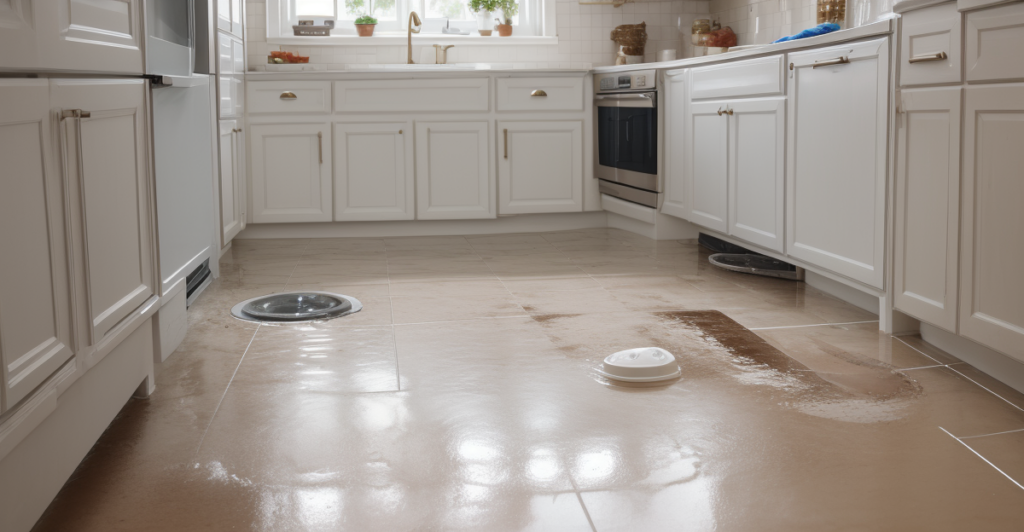
5. Kangaroo Water Leak and Freeze Sensor — Best Budget Option
Kangaroo’s leak sensor costs under 10 dollars per unit. That is cheaper than a lunch. It detects water and freezing temperatures, sends phone alerts, and has an optional professional monitoring plan for 5 dollars per month.
- Connectivity: Wi-Fi (no hub needed)
- Sensors: Water detection, temperature (freeze alerts)
- Alarm: App notification only (no built-in siren on sensor)
- Battery: 2 AAA batteries, approximately 12 months
- Smart home: Alexa, Google Home
- Price: Approximately 8 to 10 dollars per sensor
At this price, you should buy 6 of them and put one under every appliance and fixture in your home. The freeze detection is particularly useful if you live in a cold climate — you will get an alert before your pipes freeze, giving you time to act.
Where it falls short: No built-in siren — you only get phone notifications, which do not help if your phone is on silent. No humidity sensing. The app pushes premium monitoring fairly aggressively.
Where to Place Water Leak Detectors
Placement is as important as which detector you buy. Put sensors in the wrong spot and you will still get water damage. Here are the locations that catch the most problems:
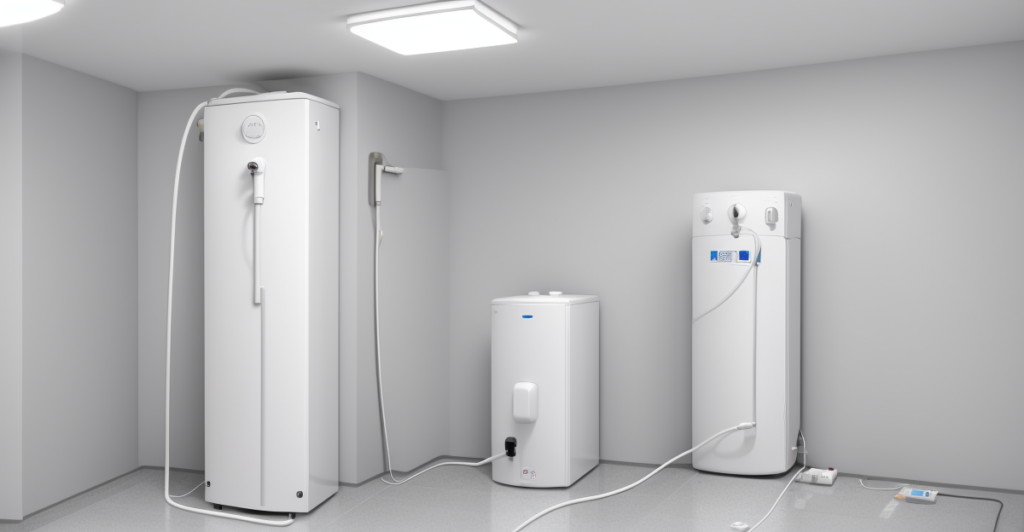
- Under the water heater — Water heaters fail silently and dump 40 to 80 gallons. A sensor on the floor next to the drain pan catches leaks early.
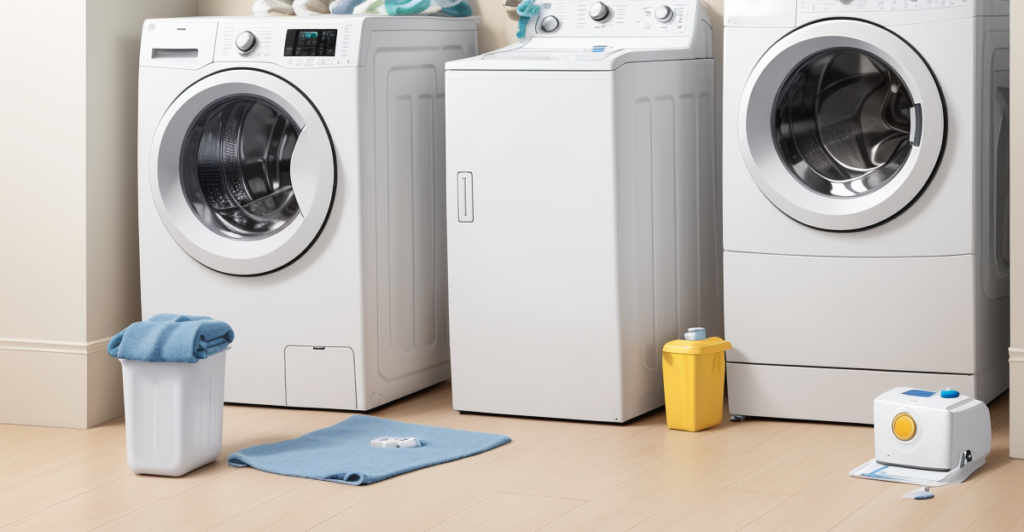
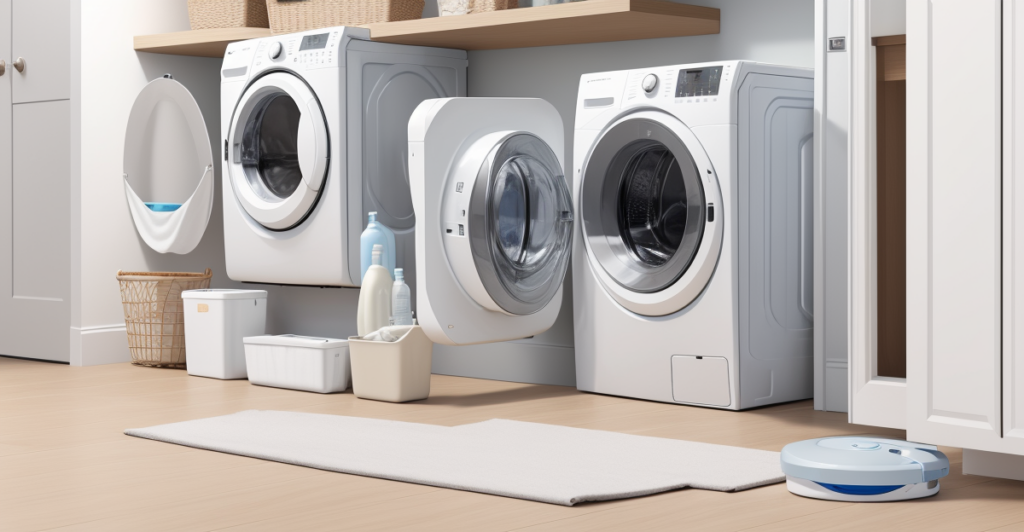
- Behind the washing machine — Hoses crack and connections loosen over time. Place the sensor where water pools if the hose fails.
- Under the kitchen sink — Garbage disposals, dishwasher connections, and supply lines all leak eventually. Tuck a sensor near the back wall.
- Next to the HVAC unit — Condensate drain lines clog and overflow, especially in summer. A sensor in the drain pan catches this.
- In the bathroom — Behind toilets and under vanities. Toilet supply lines are one of the most common leak sources in any home.
- Near the water heater expansion tank — These fail more often than the water heater itself and leak slowly.
- In the crawl space or basement — Anywhere you have exposed pipes, especially if you live in a cold climate where pipes can freeze.
As a rule of thumb: place a sensor anywhere you would not notice a puddle for 24 hours.
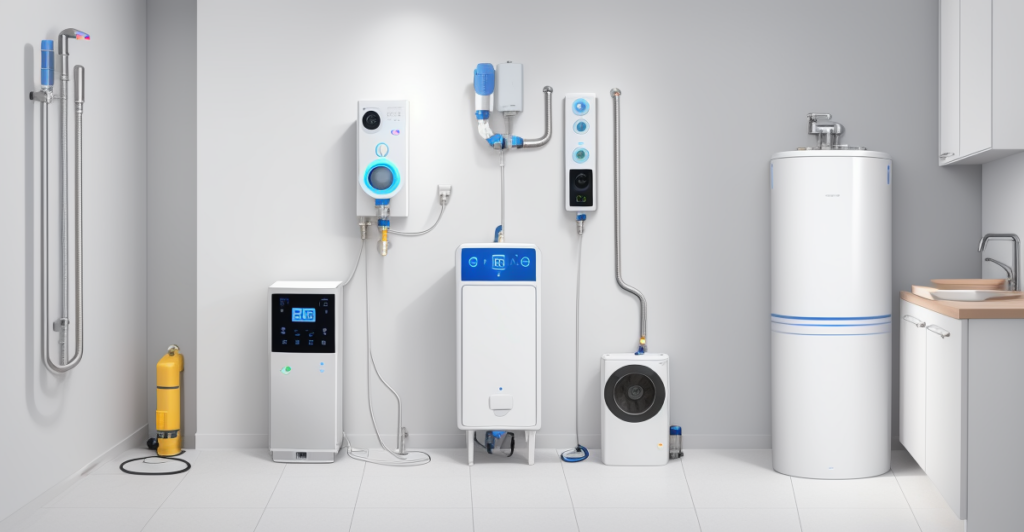
Smart Home Automations for Leak Protection
A leak detector by itself just sends you a notification. Pair it with other smart devices and it becomes a real protection system.
Automation 1: Immediate Alert Chain
When any leak detector triggers:
- Send push notification to all household phones
- Flash smart lights red in occupied rooms
- Play an announcement on smart speakers: “Water leak detected in [location]”
- Turn on smart lights in the affected room so you can see the problem
Automation 2: Automatic Water Shutoff
If you have a smart water shutoff valve (like the Moen Flo or a relay-controlled ball valve):
- When leak detector triggers, shut off main water supply within 10 seconds
- Send notification: “Water shut off automatically due to leak at [location]”
- Log the event with timestamp for insurance purposes
Automation 3: Freeze Prevention
When a temperature sensor drops below 40 degrees Fahrenheit:
- Send freeze warning notification
- If you have smart HVAC, raise the thermostat to 55 degrees
- If you have smart valves, drip the faucet to prevent pipe freezing
- Monitor and re-alert every 30 minutes until temperature rises
Automation 4: Away Mode Protection
When your home enters “away” mode:
- Lower water leak alert sensitivity to catch even small amounts
- Set up automatic shutoff so any detected leak cuts water immediately
- Send alerts to a trusted neighbor or property manager
- Enable continuous flow monitoring on the Moen Flo to catch slow leaks
How Much Water Damage Can a 15-Dollar Sensor Prevent?
According to the Insurance Information Institute, the average water damage claim is 11,609 dollars. The most common causes:
- Burst pipe: 5,000 to 70,000 dollars (depending on location and duration)
- Water heater failure: 3,000 to 10,000 dollars
- Washing machine hose: 5,000 to 15,000 dollars
- Slow plumbing leak: 2,000 to 20,000 dollars (often hidden for weeks)
Compare that to the cost of protection:
- Basic coverage (6 Govee sensors): Approximately 90 dollars
- Smart home integration (6 Aqara sensors + hub): Approximately 150 dollars
- Whole-home protection (Moen Flo): Approximately 500 dollars
Even the most expensive option pays for itself with a single prevented incident. The budget option — six sensors for 90 dollars — is the best return on investment in all of smart home.
Common Questions About Smart Water Leak Detectors
Do they work on concrete floors?
Yes, but place them where water naturally pools. On concrete, water tends to flow toward the lowest point. Put the sensor at the low point near the drain or against the wall where the pipe enters the room.
Will they detect slow leaks behind walls?
Not directly — the sensor needs water to reach it. However, models with humidity sensors (Govee, Moen) can detect elevated humidity levels that indicate hidden moisture. For behind-wall detection, you need the Moen Flo or a similar flow-monitoring system that detects unusual water usage patterns.
Do I need professional monitoring?
For most homes, self-monitoring with push notifications is sufficient. Professional monitoring (5 to 10 dollars per month) makes sense if you travel frequently, own a vacation home, or want a guarantee that someone will respond even if your phone is on silent.
What if the power goes out?
Battery-powered sensors (all the models above) continue detecting leaks during power outages. However, they cannot send Wi-Fi notifications without power to your router. A UPS (uninterruptible power supply) for your router ensures you stay connected. Zigbee and Z-Wave sensors connected to a hub on a UPS will also keep working.
Which Water Leak Detector Should You Buy?
The quick answer:
- Best overall: GoveeLife — cheapest, Wi-Fi, no hub, temperature and humidity
- Best for smart home power users: Aqara T1 — Zigbee, 24-month battery, deep automation
- Best whole-home system: Moen Flo — monitors all pipes, automatic shutoff, professional grade
- Best for large properties: YoLink — LoRa range through walls and concrete
- Best for bare-minimum protection: Kangaroo — under 10 dollars per sensor, just buy six
Buy them today. Put them under your water heater, washing machine, and kitchen sink tonight. Tomorrow, you will have forgotten about them — and that is exactly the point. They sit silently until the day they save you thousands of dollars.
The Bottom Line
Smart water leak detectors are the highest-return, lowest-cost device in your entire smart home. For 15 to 20 dollars per sensor, you get protection against the single most expensive common homeowners insurance claim. Buy a 3-pack of Govee sensors for under 50 dollars, place them under your most vulnerable fixtures, and set up phone notifications. If you want deeper protection, the Aqara T1 integrates into any smart home platform, and the Moen Flo provides whole-home monitoring with automatic shutoff. Whatever you choose, just put sensors in your home before you need them.