This article contains affiliate links. We may earn a commission from qualifying purchases.
Some content on this site is AI-assisted and reviewed by our editorial team.
Windows close for the season in a few weeks, and everything from cooking smoke, pet dander, and holiday-guest germs stays inside with you. I run a particulate sensor in my living room, and the PM2.5 reading triples the day the windows shut. The air purifier market splits into two camps: app-controlled bedroom units that look like smart speakers, and bigger dumb workhorses that look like air conditioners. The real difference is not features — it is room size and the three-year filter bill. I compared the two most-recommended models on filter math, not marketing, and the numbers changed my recommendation.
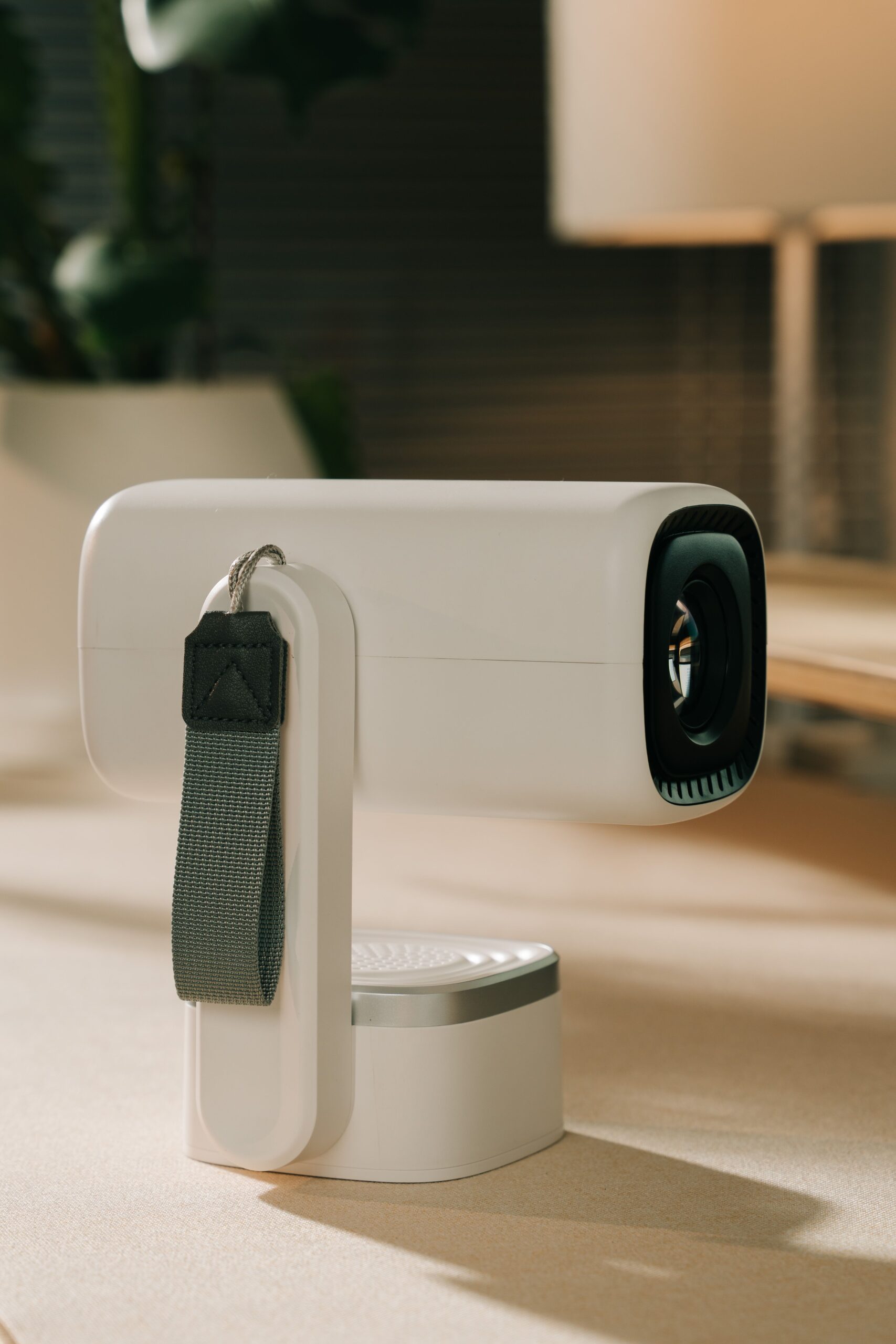
Two purifiers, three years of filter costs, and the honest math on what an app actually saves you. Here is what I found.
Levoit Core 300S-P Smart Air Purifier — The Smart Bedroom Pick
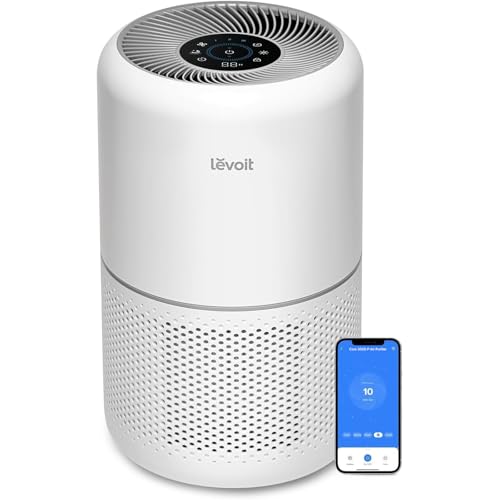
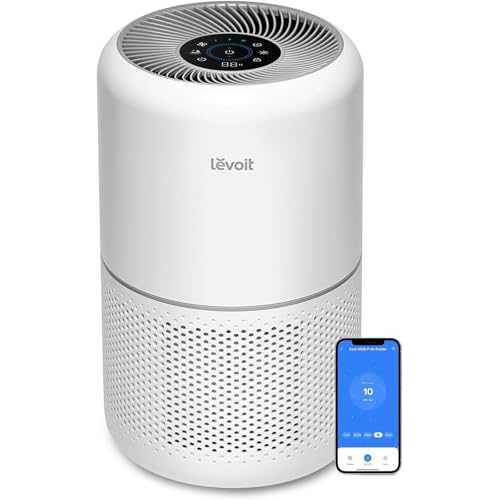
The Levoit Core 300S-P ($149.99) is the smart pick for a bedroom or small office. AHAM-verified at 141 CFM, with app schedules, auto mode that adjusts fan speed based on a built-in sensor, and a 22-decibel sleep mode that is genuinely quiet — quieter than my box fan on low. It is currently the number-one HEPA seller on Amazon, and the app actually works without creating an account you will never use.
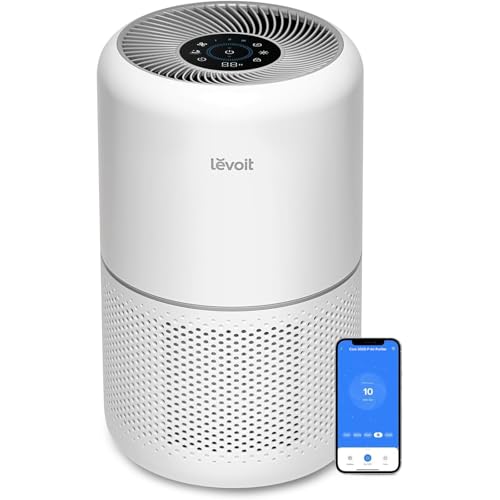
The ceiling is the room size. At 141 CFM, the effective coverage is roughly 220 square feet — a bedroom or a home office, not an open living room. Filters run about $30 every 6 to 8 months, which is $45 to $60 per year. The app tells you when to replace the filter, which is convenient but also a subscription nudge — you can stretch filter life to 8 months with pre-filter vacuuming.
My take: The best bedroom purifier if you want app control and sleep mode — just measure your room first, because 220 square feet is a hard ceiling.
Winix 5500-2 Air Purifier — The Dumb Workhorse
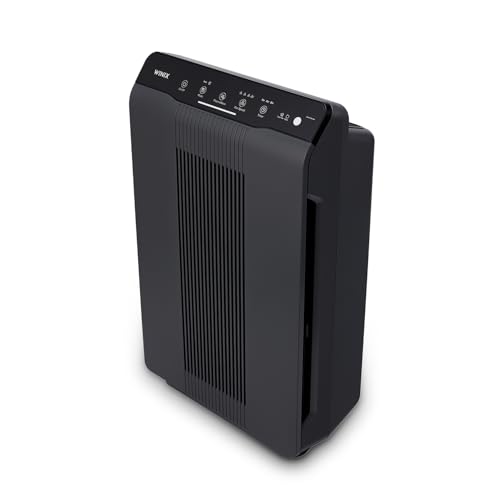
The Winix 5500-2 (about $160) is the workhorse. 232 CFM covers rooms up to 360 square feet — enough for most living rooms and open kitchens. The carbon filter is washable, which is the single biggest cost difference between these two models. 4.7 stars from 37,000 owners, and the thing has been on the market for years with a track record that the newer Levoit cannot match.
There is no app. No WiFi, no scheduling, no voice control. You turn it on with a button and it does its job. The PlasmaWave ionizer is a feature Winix markets heavily, but independent testing suggests it produces trace ozone — best left switched off if anyone in the household has asthma or chemical sensitivity. The good news is there is a physical button to turn it off, and the purifier works fine without it.
My take: The best value for a living room or open floor plan — more coverage, washable filter, and a proven track record for $10 more than the Levoit.
Levoit Vital 200S Smart Purifier — The Bigger Smart Option
The Levoit Vital 200S is the step-up smart model for anyone who outgrows the Core 300S. Higher CADR, a pet mode that ramps the fan when it detects dander, and the same app ecosystem. It covers a living room where the Core 300S runs out of room. The tradeoff is cost — it runs about half again more than the Core 300S, and it keeps the same filter subscription habit. Replacement filters are pricier too, which widens the gap with the Winix over time.
If you are choosing between the Vital 200S and the Winix for a living room, the question is whether the app and auto mode are worth $25 more per year in filter costs. For me, the answer is no — but if you travel and want to check air quality remotely, the app earns its keep.
My take: The right pick if you want app control in a bigger room — but the Winix covers the same space for less money over three years.
Free shipping on home tech: A Prime free trial gets you free two-day shipping on air purifiers and replacement filters — useful when you are stocking up before window season. Cancel before the trial ends and you pay nothing.
What Actually Saves Money (And What Doesn’t)
Washable carbon filter (Winix) vs disposable (Levoit): The Winix carbon filter is washable, which means you rinse it every few months and replace only the HEPA. The Levoit uses a combined filter cartridge — when one layer is spent, you replace the whole thing. Over three years, that is the biggest cost difference between the two.
Filter replacement frequency: Both manufacturers say 6 months. Real-world testing with a particulate counter says 8 months if you vacuum the pre-filter monthly. Do not buy the subscription — buy filters on sale and set your own calendar reminder.
The app question: An app is worth $0 in improved air quality. It is worth something in convenience — remote monitoring, schedule setup, filter alerts. If those features matter to you, the Levoit earns its premium. If you just want clean air, the Winix does it for less.
Room-size matching: An undersized purifier runs at max fan speed constantly, which means more noise, more electricity, and shorter filter life. Match the CADR to your room, not your budget.
The ionizer honesty note: Both brands offer some form of ionization. The Winix PlasmaWave is switchable and should be off for sensitive households. The Levoit does not market an ionizer on the Core 300S. Either way, the HEPA filtration is what actually removes particles — ionization is a secondary feature, not a primary one.
The Three-Year Filter Math
Levoit Core 300S: $30 filter x 2 per year = $60/year. Over 3 years: $180 in filters. Plus the $150 purchase price. Total 3-year cost: $330.
Winix 5500-2: Washable carbon filter (free) + HEPA replacement at $35 every 12 months = $35/year. Over 3 years: $105 in filters. Plus the $160 purchase price. Total 3-year cost: $265.
The difference: The Winix saves about $65 over three years while covering a room 60% larger. The Levoit costs more, covers less, but gives you an app and a sleep mode that is genuinely quieter at night.
If you are buying for a bedroom, the Levoit’s quiet sleep mode and app scheduling are worth the premium. If you are buying for a living room, the Winix is the better buy on every metric except connectivity.
Keep reading: While you are winterizing, check out our guide to freezer alarms that call you before food thaws, driveway alarms that announce visitors, and the heated-throw math that beats space heaters.
CleverHomeClub is reader-supported. As an Amazon Associate, I earn from qualifying purchases. That means if you buy through one of the links above, I get a small commission at no extra cost to you. I only recommend devices I’d run in my own home.
🏠 Get Your Free Smart Home Setup Checklist
Join our newsletter and get this free printable plus weekly tips.
Frequently Asked Questions
Do smart air purifiers save money over dumb ones?
No. Smart purifiers typically cost more in replacement filters over time. The Levoit Core 300S runs about 60 dollars per year in filters versus the Winix at 35 dollars per year thanks to its washable carbon filter. The app is convenience, not savings.
How often do HEPA filters need replacing?
Manufacturers say 6 months, but real-world testing shows 8 months if you vacuum the pre-filter monthly. Replace when you notice slower airflow or use a particulate counter for certainty.
Is an app worth it on an air purifier?
It depends on your lifestyle. If you travel and want to monitor air quality remotely, or want sleep schedules set automatically, the app earns its keep. If you just want clean air, a dumb purifier does the same job for less money over time.
Liked this guide? Get the next one in your inbox — the smart home starter checklist is free too.
✓ You're in — check your inbox.
No spam. Unsubscribe anytime. We never share your email.