This article contains affiliate links. We may earn a commission from qualifying purchases.
Some content on this site is AI-assisted and reviewed by our editorial team.
For a decade the smart-speaker answer was automatic: buy whatever Echo Dot is cheapest. In August, Amazon changed that overnight — the Echo Dot went from $50 to $80, a 60 percent jump the company blamed on memory and storage costs, and suddenly the default advice everywhere is stale. Apple raised the HomePod mini from $99 to $129 in June. Google’s cheapest speaker barely exists on Amazon as a first-party listing at all anymore. The question “Alexa or Google?” used to be philosophical; in 2026 it’s mostly arithmetic.
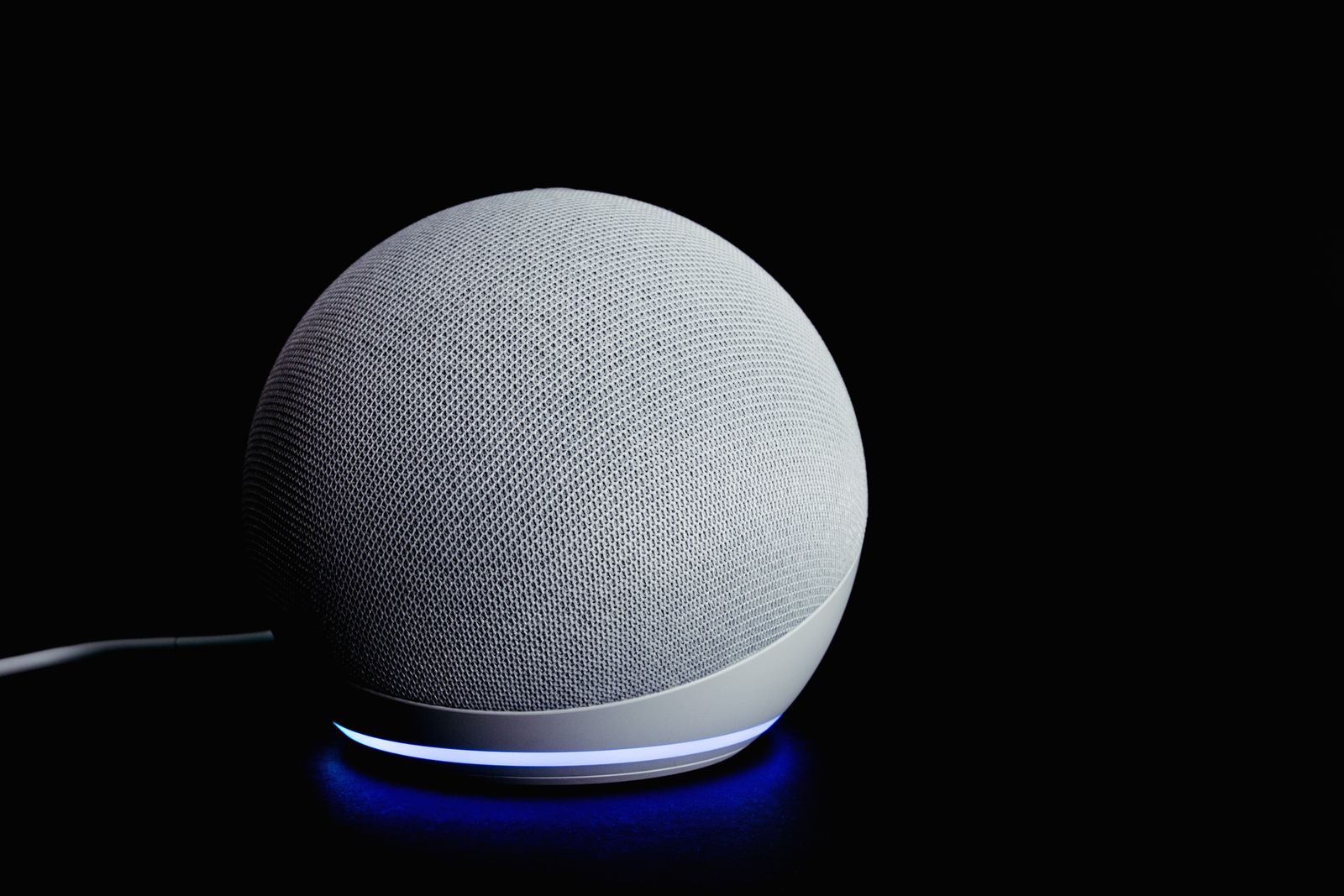
I re-ran the entry math with today’s real prices — what a starter speaker costs in each ecosystem, what the hikes changed, and where the honest answers still hold. The platform war didn’t move; the budget table did.
The New Price Reality
Before: Echo Dot $50, Nest Mini $49, HomePod mini $99 — an ecosystem decision you could make for the price of a pizza, and reverse for the same. After: Echo Dot $80 (verified at $79.99 today), HomePod mini $129, and the Google budget slot is a $129 import listing. Amazon devices still dip toward their old prices in sale events, but list is list — and the “cheapest smart speaker” category effectively doubled overnight.
Amazon Echo Dot (Newest) — The Hiked Default
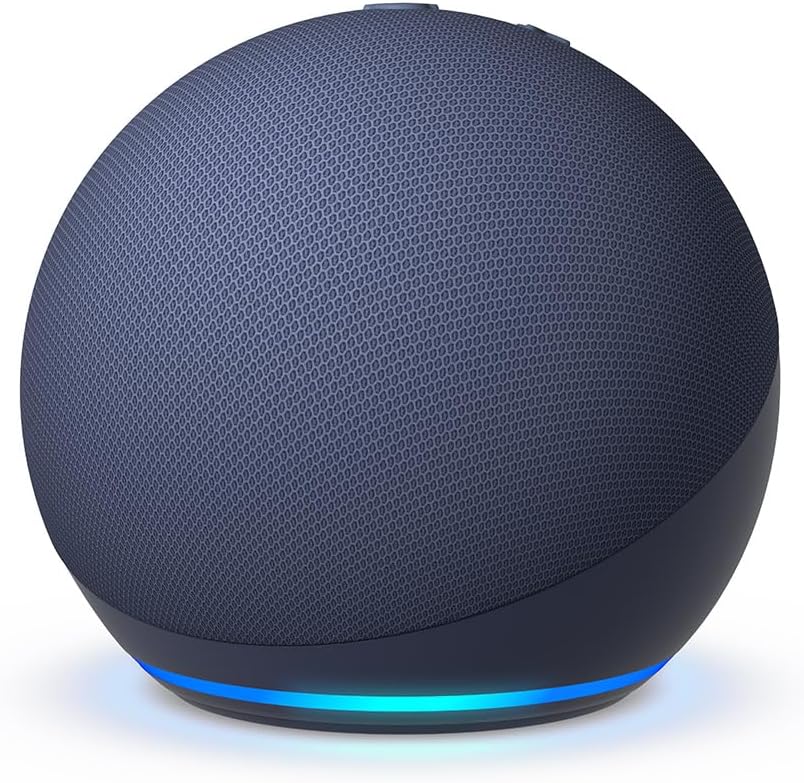
The Echo Dot (newest) is still the widest-compatible starter speaker in either ecosystem: the best third-party device support, the deepest routines engine, and now Alexa+ for genuinely better conversations. The only thing that changed is the sticker: $79.99 list instead of $50.
The cons: that’s a 60 percent hike with zero hardware change, and the sphere’s speaker is still fine-not-great for music. If you’re patient, device-event pricing still dips to around $55 — but waiting for a sale is now part of owning an Echo.
My take: Still the default answer for a first smart home — you’re just paying a $30 honesty tax on a decade of subsidy.
Amazon Echo Dot Max — The Music Upgrade
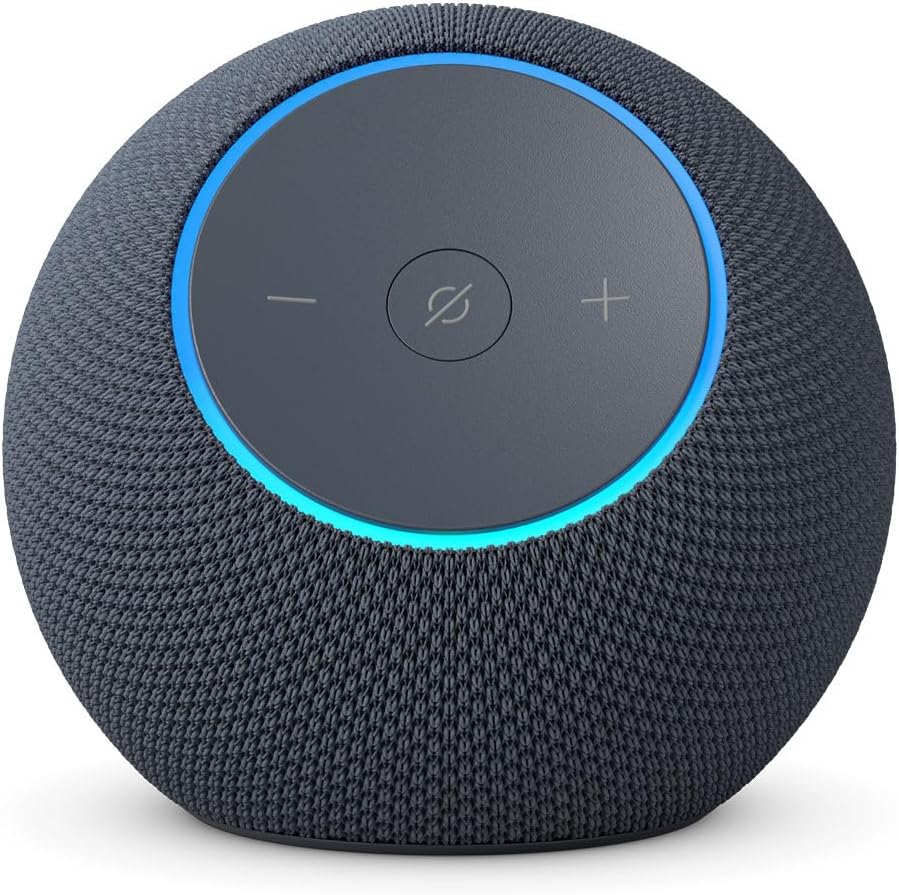
The Echo Dot Max is the quiet winner of the hike era: nearly triple the bass and a built-in smart home hub (Zigbee and Matter) that deletes the need for separate hub hardware, at $119.99. If the Dot went up anyway, the Max is the reason to spend past it — hub duty plus real bass makes it the one Echo worth full list.
The cons: it’s double the standard Dot’s price for one room’s worth of sound, and the hub only matters if you’re actually growing a device fleet. For a single-room starter, it’s overkill.
My take: The buy-if-you’re-serious pick — the hub alone replaces $40 of gear, which is how it survives a $119.99 sticker.
Amazon Echo Pop Kids — The Cheapest Current Alexa
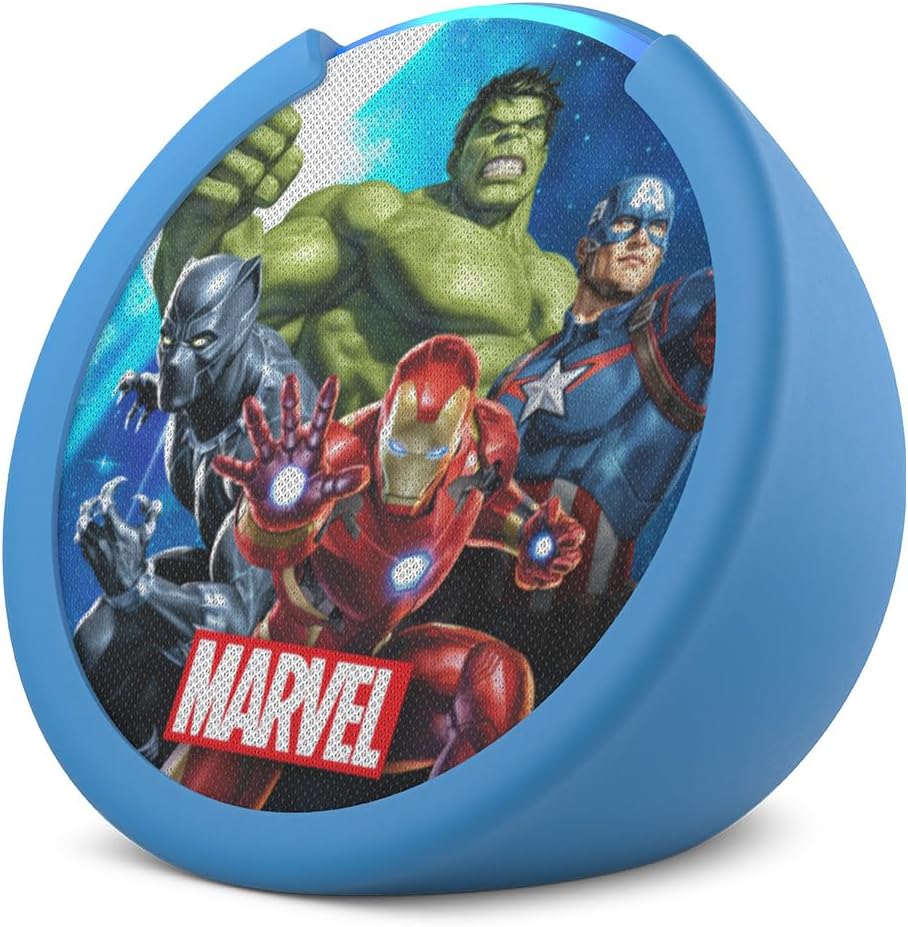
The Echo Pop Kids is now the cheapest way into the Alexa ecosystem at $49.99: the same Alexa brain as the Dot in a smaller half-bowl body, with a themed faceplate (the Marvel design is a genuine kid-pleaser) and a year of Amazon Kids+ in the box. Yes, it’s marketed for children — but it’s the same assistant, and nothing stops an adult from putting one in a hallway.
The cons: the speaker is the tinniest of the Echo line, it’s one per room by design, and the Kids+ subscription auto-renews after the year — cancel the renewal on day one if you don’t want it.
My take: The budget hack of 2026 — if list price is the constraint, this is the honest $49.99 Alexa entry, kid branding and all.
Google Nest Mini (2nd Gen) — The Import Warning
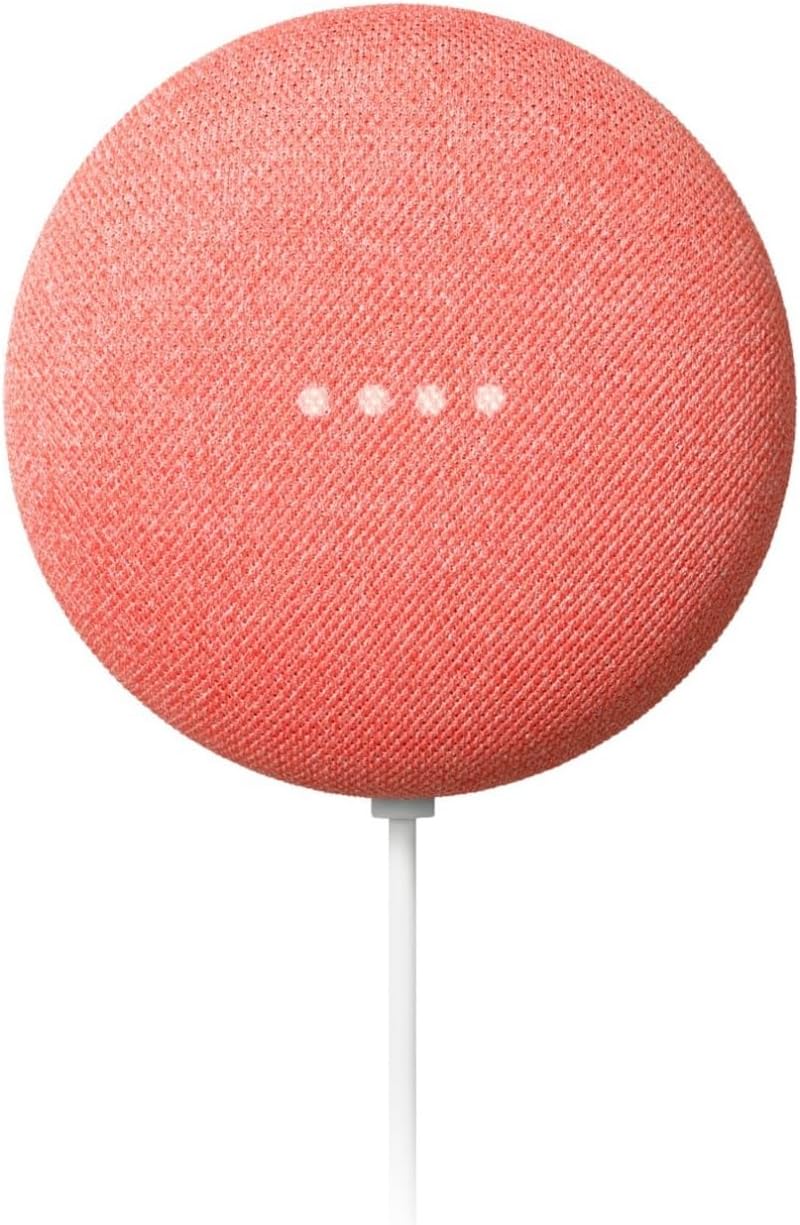
Here’s the Google-side reality: Amazon’s Nest Mini listings have quietly become third-party imports at $129.00 — nearly triple the $49 the same speaker held for years, sold by resellers, not Google. The Nest Mini 2nd Gen is still a genuinely great budget speaker when you find it at honest price from an honest seller — Google’s answers and voice recognition still edge out Alexa, and the fabric puck blends into a shelf.
The cons: at import markup it’s simply not worth it — no warranty clarity, no return simplicity, and a price that buys a full Echo instead. The smart move for a Google household is buying from big-box retail or waiting for a first-party listing at $50-ish.
My take: Great speaker, wrong storefront — if the listing says $129 and ships from a reseller, close the tab and check a retail store instead.
Apple HomePod Mini — The Apple Household Pick
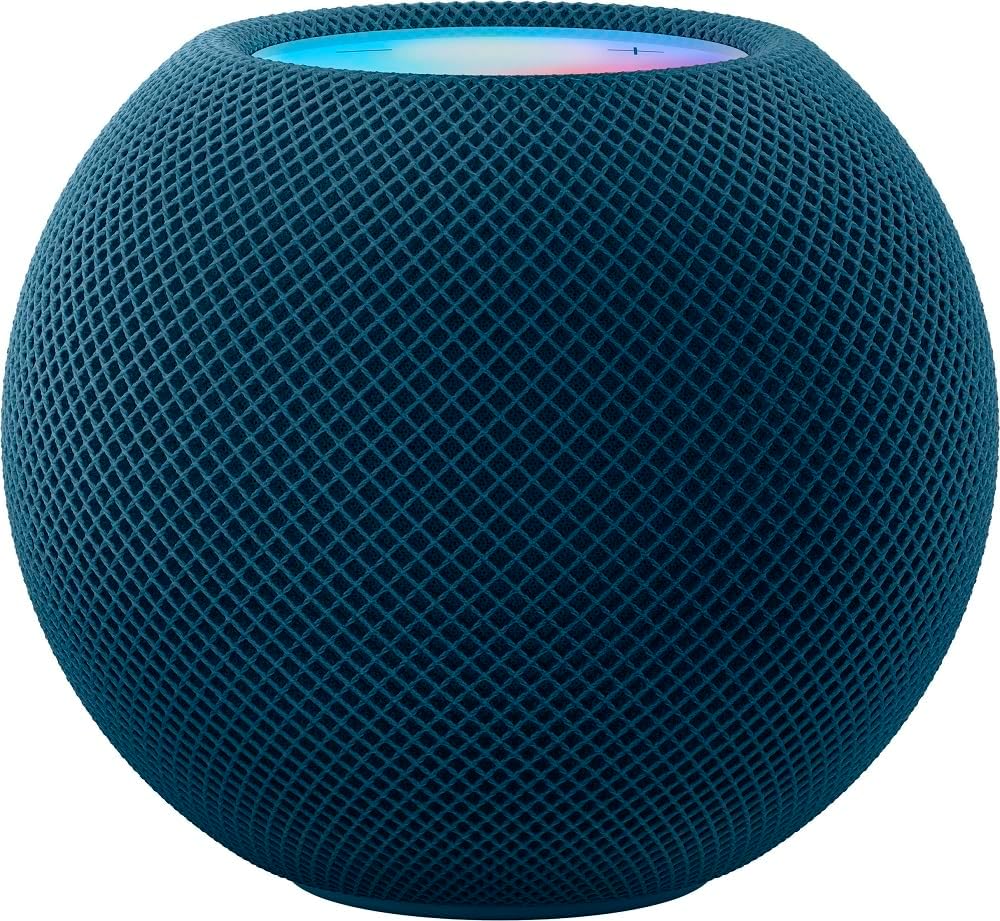
The HomePod mini is the privacy-forward pick, and the June hike took it from $99 to $129.00. What you get for the new price: a genuinely musical little speaker, Siri that finally holds up her end, and handoff tricks that only work if the household runs iPhones — press the phone near it and the audio moves.
The cons: it’s the least flexible of the three for mixed-device homes, third-party integrations are a fraction of Alexa’s catalog, and $129 buys a Dot Max with a built-in hub on the Amazon side. This only makes sense as a matched set with Apple hardware.
My take: Buy it if everyone in the house carries an iPhone; skip it if anyone carries anything else — ecosystem lock is the product.
Amazon device prices still dip in sale events. Prime members see the drops first — start a free 30-day Prime trial and watch the Echo line during the next device event.
Beginner Mistakes to Avoid
Paying list for Amazon hardware: The August hikes made list price the worst-case scenario. Echo devices still cycle down to near their old prices in Prime-scale events — never buy an Echo the week you first want it.
Buying the platform by the speaker: The $50 speaker was never the commitment — the five devices you add over two years are. Pick the ecosystem that runs the lights, locks, and cams you actually want, then buy its cheapest speaker.
Trusting import listings: A “Nest Mini” at $129 from a reseller isn’t a deal, it’s a trap — check the seller line before the price tag, on any brand.
Forgetting the subscription math: Alexa+ features and Kids+ renewals both bill monthly after trial periods. The speaker is a one-time cost; the services are the annuity — decide what you’ll actually pay for before checkout.
The Savings Math
Starter speaker, today’s prices: Alexa entry is $49.99 (Pop) or $79.99 (Dot); Google entry is $129.00 on Amazon or retail-price elsewhere; Apple entry is $129.00. The one-year truth: at old prices you could switch ecosystems for the cost of lunch — now the entry ticket is 2.5x higher, so the first speaker is finally a real commitment decision. Choose by the devices you’ll add, not the speaker in your hand.
Once the voice side is settled, the rest of the house is cheap to follow: our motion-light guide covers the dark stairs, and the Ring vs SimpliSafe math covers the security side of the same decision.
CleverHomeClub is reader-supported. As an Amazon Associate, I earn from qualifying purchases. That means if you buy through one of the links above, I get a small commission at no extra cost to you. I only recommend devices I’d run in my own home.
🏠 Get Your Free Smart Home Setup Checklist
Join our newsletter and get this free printable plus weekly tips.
Frequently Asked Questions
Is Alexa or Google better for a smart home in 2026?
Alexa still owns the device-ecosystem side u2014 widest third-party integrations, deepest routines, and the new Echo Dot Max carries a built-in Zigbee and Matter hub. Google answers questions and recognizes voices better, but its budget speaker is essentially missing from Amazon at honest price. If you're starting a device fleet, Alexa; if you mostly ask questions, Google u2014 bought retail, not at import markup.
Why did Echo prices go up in 2026?
Amazon raised the Echo Dot from $49.99 to $79.99 in August, blaming a significant rise in memory and storage component costs. Apple raised the HomePod mini from $99 to $129 in June. Amazon device pricing still dips toward the old numbers during sale events, so list price is the worst case, not the norm.
Which voice assistant works best without a subscription?
All three handle basics u2014 timers, lights, weather, music u2014 free. Alexa+ features bill monthly after trial, and Kids+ renewals on the Echo Pop Kids should be cancelled on day one if unwanted. Google and Apple run the same free baseline; decide by devices, not services.
Liked this guide? Get the next one in your inbox — the smart home starter checklist is free too.
✓ You're in — check your inbox.
No spam. Unsubscribe anytime. We never share your email.
Price Check
Prices verified via our product tracker. Updated Oct 11.
As an Amazon Associate we earn from qualifying purchases.