This article contains affiliate links. We may earn a commission from qualifying purchases.
Some content on this site is AI-assisted and reviewed by our editorial team.
Daylight saving ends November 1, and suddenly the 5 PM dog walk and the 6 PM stair trip happen in full dark. The stairs are where that gets dangerous: the National Safety Council puts falls as the leading cause of home injury, and a dark staircase is the most preventable version of that risk. An electrician-installed switched light runs $150 to $300 per run. A $20 battery puck solves 90% of it with no wiring, no hub, and no electrician.
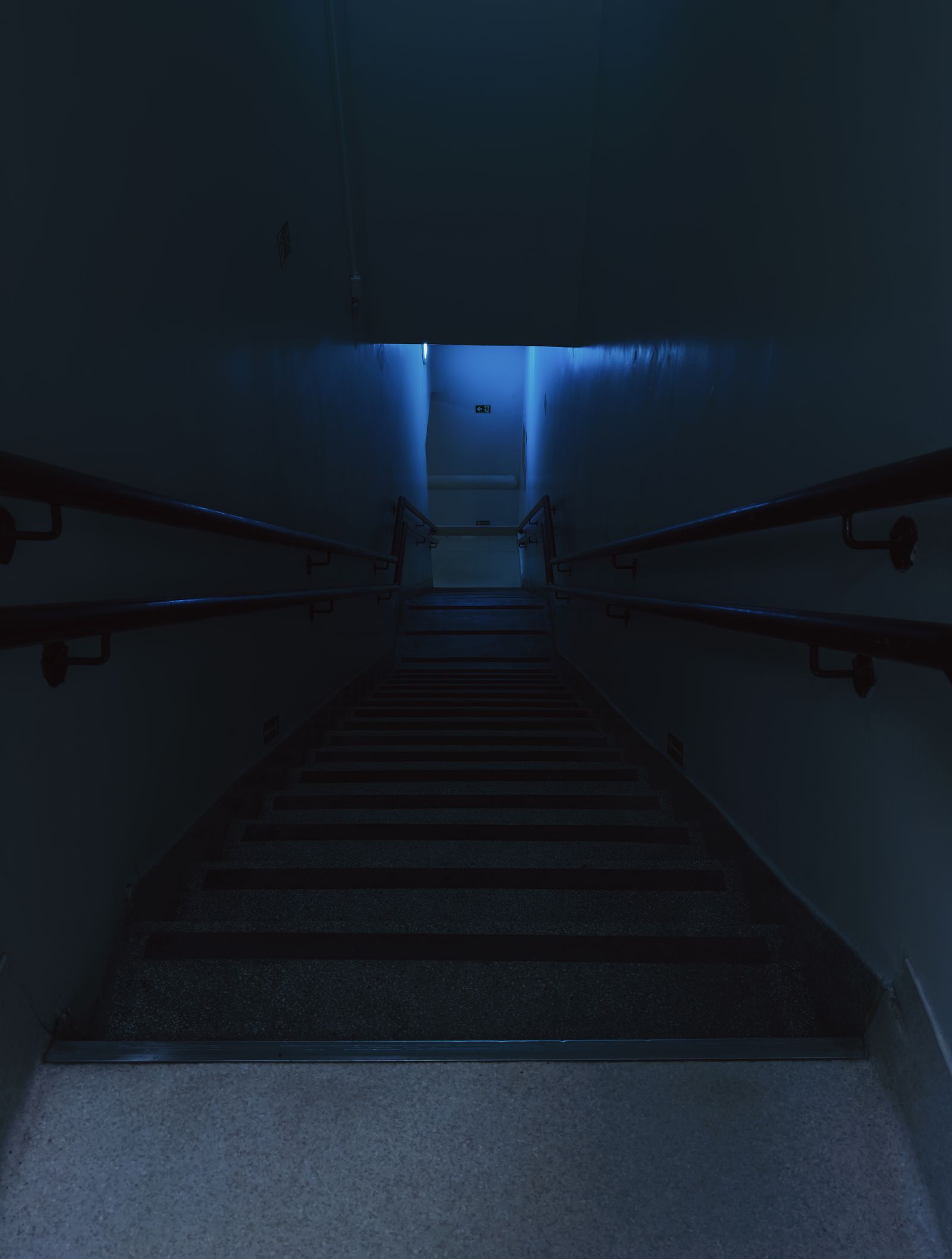
I looked at the four ways people light dark hallways and stairs — stick-up battery pucks, plug-in motion night lights, rechargeable bars, and budget hybrids — with an eye on what a renter can install in ten minutes and forget about. Here’s what actually works, and where the $20 claim holds up and where it bends.
The Real Math on Dark Stairs
Why motion lights instead of just leaving a light on? A switched hallway bulb left burning 6 PM to midnight burns about 30 kWh over a winter — maybe $5 in electricity, but it’s on when nobody’s home and lighting an empty run all evening. Motion lights deliver the light exactly when it’s needed and nothing else. The honest version of the $20 claim: a single budget puck covers a landing, and a full staircase takes two to three lights. Realistic all-in cost for one 12-step run: $12.99 to $29.99 — still under a tenth of the electrician quote.
Mr. Beams MB710 Wireless Stair Lights 3-Pack — The Classic Stick-Up
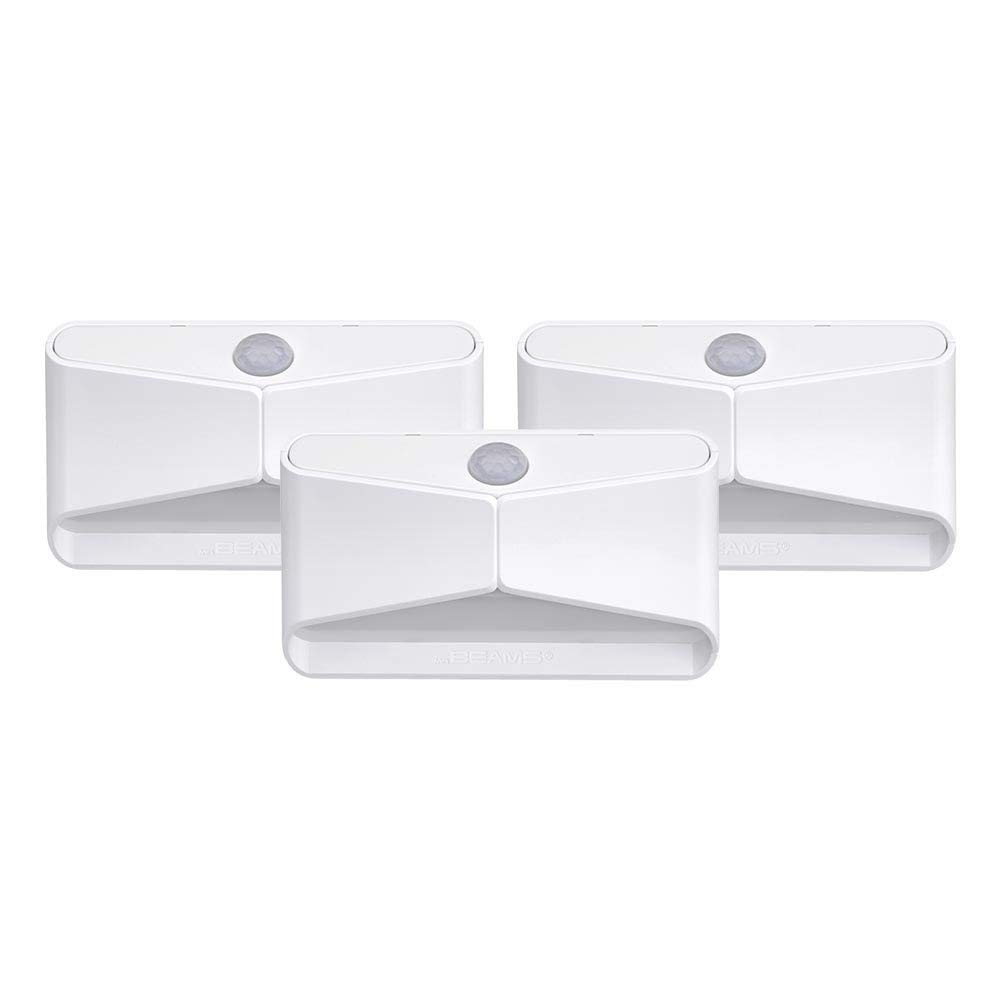
The Mr. Beams MB710 3-pack is the category’s benchmark: wireless LED pucks with 10-foot motion sensing that mount with screws or adhesive and light the stairs the moment you step into the dark. Each takes 3 AA batteries; Mr. Beams claims about a year of typical intermittent use per set. About $29.99 for three.
The honest con: “about a year” assumes short activations. Nightly stair traffic eats batteries faster — figure 4 to 6 months per refresh, and the brightness is fixed, so a bedroom-adjacent install may read too bright.
My take: The default answer for stairs — three lights, ten minutes, zero wiring; this is the install I’d put in my mom’s house.
GE Motion-Sensing Night Lights 2-Pack — The Hands-Off Option
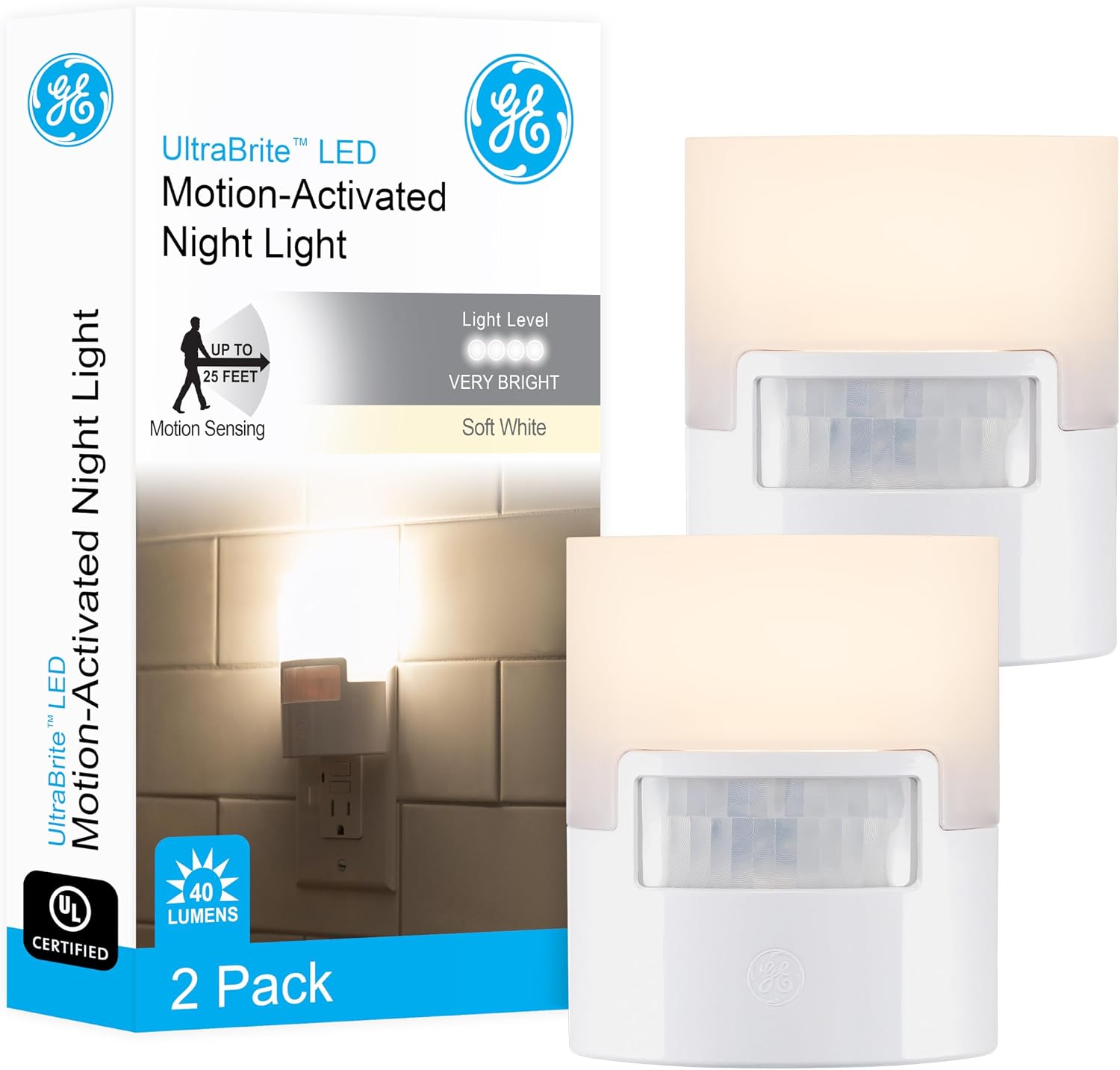
The GE plug-in motion night light 2-pack takes batteries out of the equation entirely: outlet-powered, dusk-to-sunrise motion sensing, and completely invisible until you need it. About $19.99 (list $29.99).
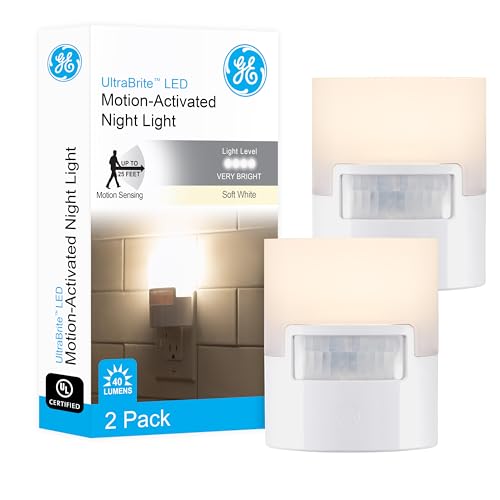
The cons: brightness is fixed and outlets dictate placement — if the only outlet is behind the couch, that’s where your “hallway light” lives. And it covers one landing, not a whole run.
My take: The zero-maintenance pick — best for hallways with a convenient outlet where you never want to think about batteries again.
Reoshine 63-LED Rechargeable Closet Bars — For Closets and Deep Shelves
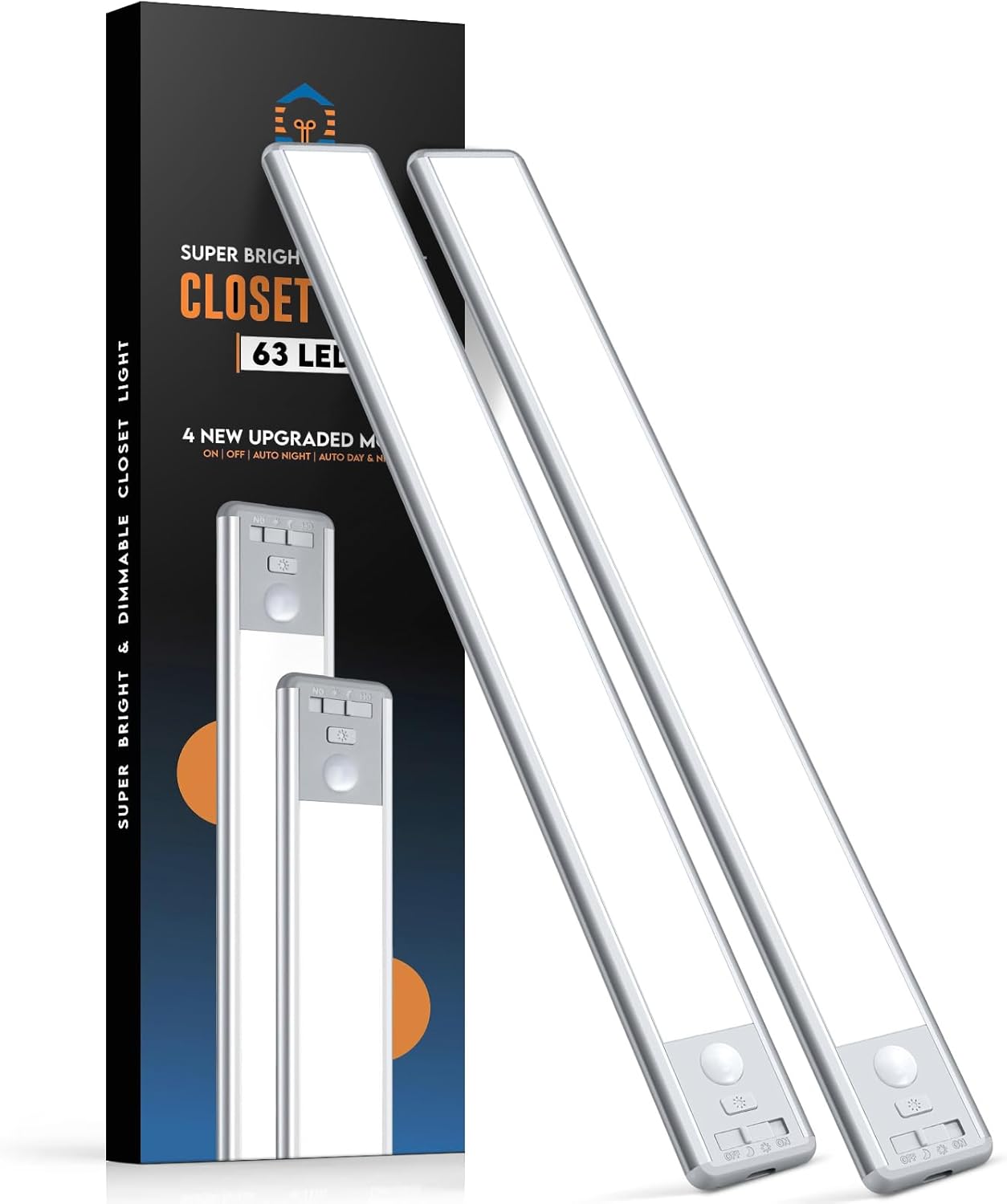
The Reoshine 63-LED motion-sensor bar swallows dark corners whole: a rechargeable 2500mAh bar, dimmable, magnetic mount, motion-activated, about $24.99. Where puck lights cover a landing, a bar lights a whole closet, under-stair nook, or pantry shelf.
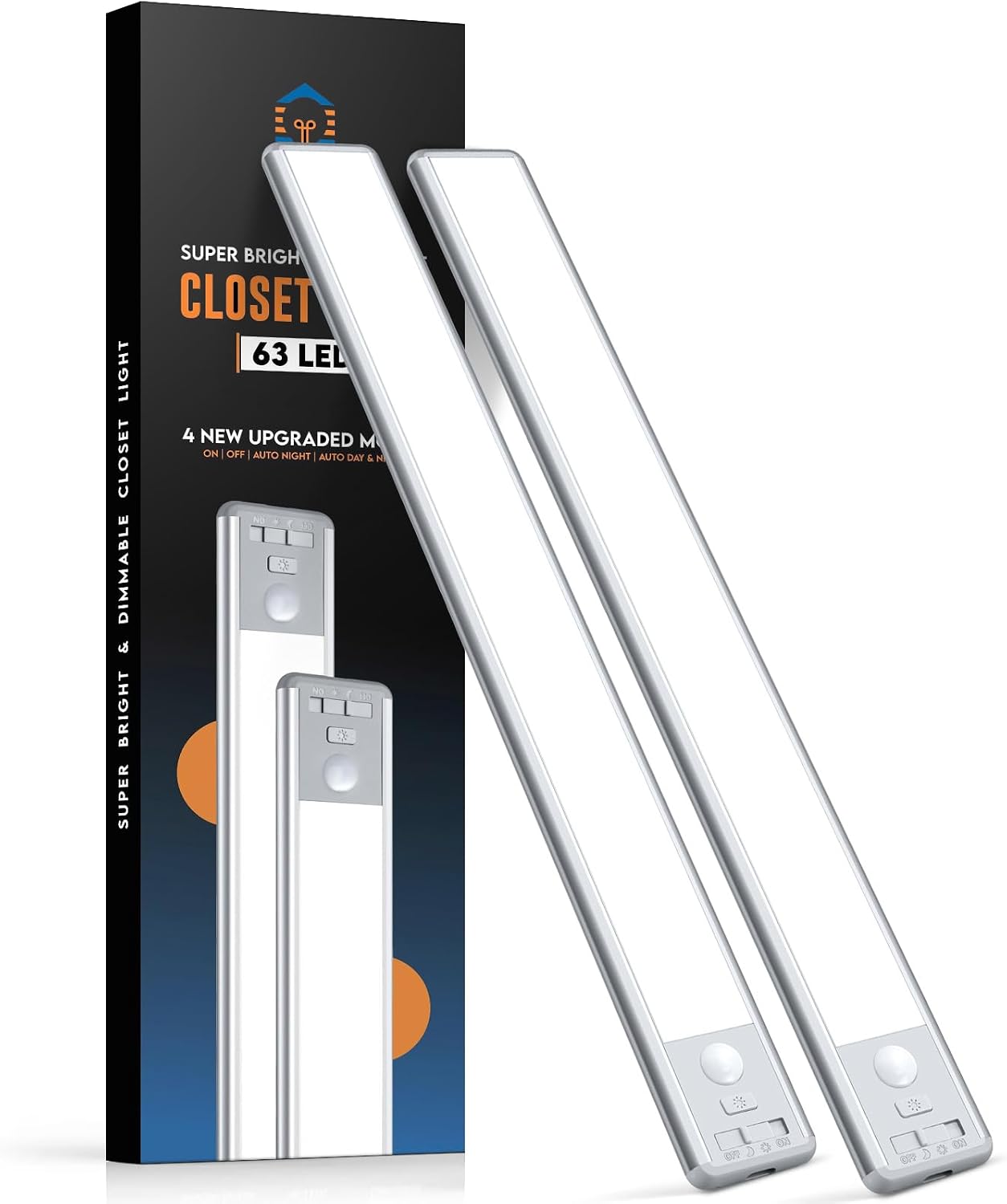
Con: the magnetic mount needs clean flat surface — mounting tape fails on textured walls, and it’s a charging chore on top of battery-free pucks.
My take: Buy this for the closet or pantry, not the stairway — it’s the deep-dark specialist.
Searik Magnetic Step Lights 3-Pack — The Budget Hybrid
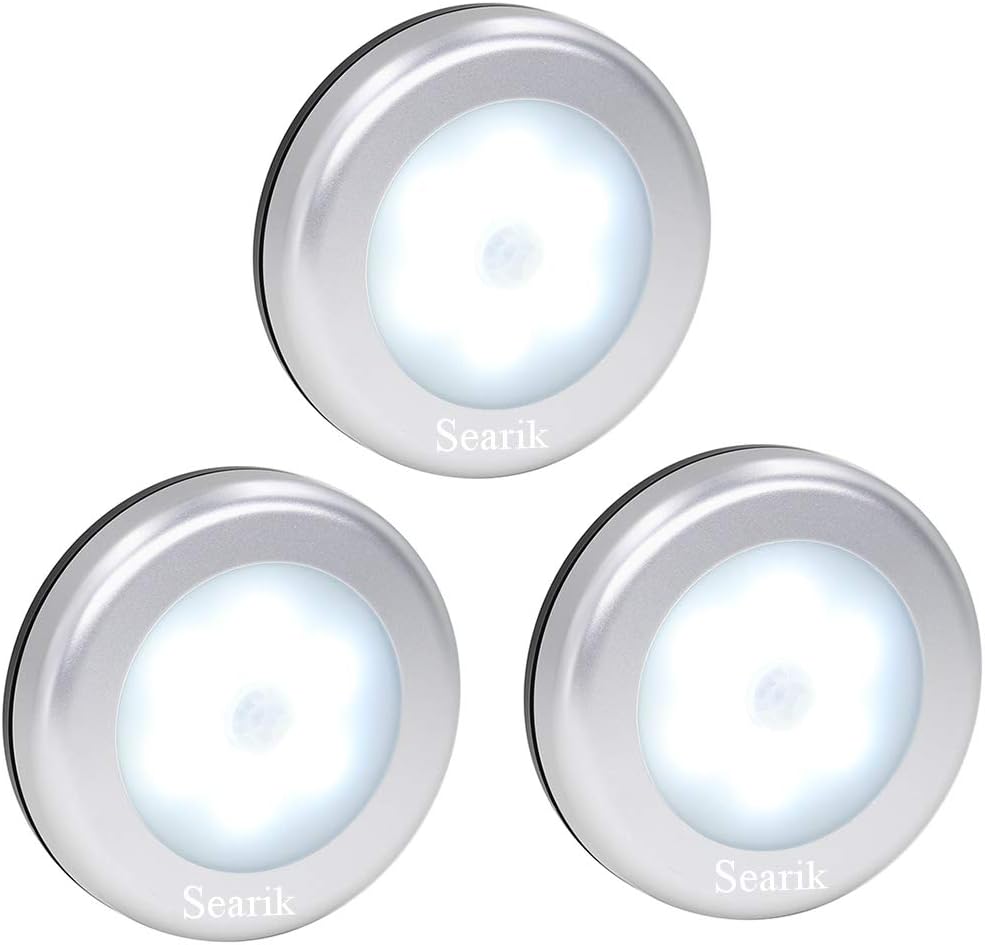
The Searik 3-pack of magnetic step lights is the budget play: about $12.99 for three battery-powered motion lights that handle indoor stairs, and they’re rated weatherproof enough for porch steps in a pinch.
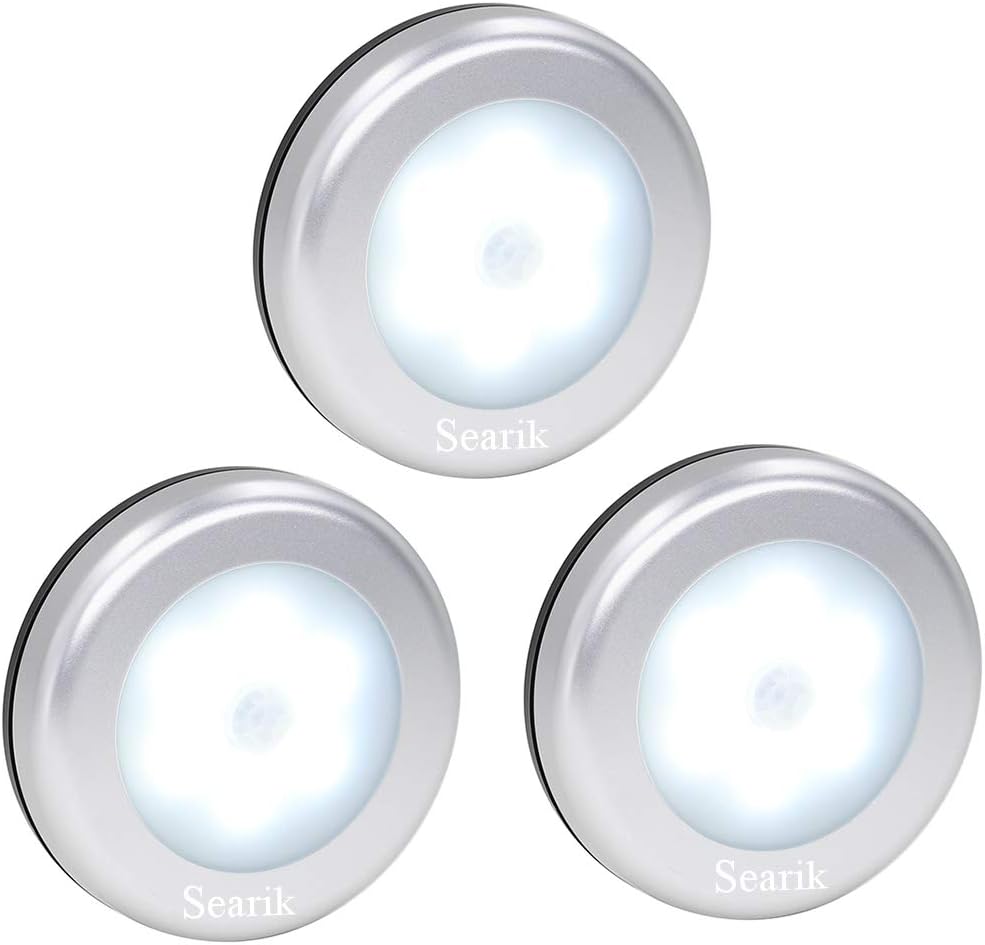
Con: motion sensitivity isn’t tunable — you get the range you get. And at this price the sensor is more generous than precise, expect occasional lights-on for the cat.
My take: The right pick when you need coverage, not perfection — three stairs lit for the price of one name-brand puck.
One placement note that applies to all four: mount motion sensors where they can “see” the whole stair run, not just the top or bottom. A sensor at mid-run fires for traffic in both directions and halves the number of lights you need. Corners and doorframes block both light and motion — ten minutes of walking the route with a flashlight before drilling saves a re-mount later.
Winter is the season of dark stairs. Prime members get free shipping on all of these — start a free 30-day Prime trial and light the staircase before the clocks change.
Beginner Mistakes to Avoid
Placing lights at eye level: Motion lights belong near the floor or on stair risers — light where feet land, not where faces look. High placement glares and misses motion.
One light for a whole staircase: A single puck lights three steps; a 12-step run needs two or three. Stagger them on alternating sides.
Forgetting the battery calendar: Battery stair lights die quietly in spring and fail you next November. Pick a date — clocks-back day is a good one — and refresh annually.
Skipping the motion angle test: Walk your stairs after install. If the light fires when you enter but not from the bottom step, re-aim before the first late-night trip.
Expecting motion lights to be security lights: These are pathway lights — 20 to 80 lumens of “don’t break your ankle,” not floodlights. Different job, different products.
The Savings Math
An electrician-installed switched light for one stair run: $150 to $300 plus scheduling. The battery route: about $29.99 for a 3-pack plus roughly $8 a year in AA batteries (at nightly use, ~9 batteries per light-year across three lights). Even replacing batteries yearly, you’re at under $80 across five winters — one quarter of one electrician visit — and a renter can take every light to the next apartment. Battery lights also survive power outages, which a wired fixture tied to a switch can’t do.
Once the stairs are handled, the next dark-evening wins: our Black Friday price-floor guide covers what’s worth waiting on, and smart Christmas light strands handle the outside of the house.
CleverHomeClub is reader-supported. As an Amazon Associate, I earn from qualifying purchases. That means if you buy through one of the links above, I get a small commission at no extra cost to you. I only recommend devices I’d run in my own home.
🏠 Get Your Free Smart Home Setup Checklist
Join our newsletter and get this free printable plus weekly tips.
Frequently Asked Questions
Where should motion lights go on a staircase?
Near the floor or on stair risers at mid-run u2014 light where feet land, not where faces look. A sensor at mid-run sees traffic in both directions and halves how many lights you need. Avoid eye-level placement, which glares, and corners or doorframes, which block both motion sensing and light.
Do battery motion lights drain batteries fast?
Nightly stair traffic drains a 3-AA puck in roughly 4 to 6 months, not the year the box claims u2014 that figure assumes brief, occasional activations. Pick an annual refresh date you'll remember, like the daylight-saving clock change, and swap batteries before the lights fail you in November.
What is the best lighting for dark hallways at night?
A mix works best: battery stick-up pucks for stair runs, plug-in motion night lights for outlet-adjacent hallways, and rechargeable bars for closets and deep shelves. The goal is 20 to 80 lumens of pathway light exactly when someone walks through u2014 not a floodlight, and not a ceiling fixture on all evening.
Liked this guide? Get the next one in your inbox — the smart home starter checklist is free too.
✓ You're in — check your inbox.
No spam. Unsubscribe anytime. We never share your email.
Price Check
Prices verified via our product tracker. Updated Oct 10.
As an Amazon Associate we earn from qualifying purchases.