This article contains affiliate links. We may earn a commission from qualifying purchases.
Some content on this site is AI-assisted and reviewed by our editorial team.
“A Space Heater Costs a Dollar an Hour” — Let’s Meter It
Every winter the same number gets passed around: “a space heater costs a dollar an hour to run.” Run the math and a 1,500-watt heater at the national average rate costs about 22 cents an hour at full blast — a fifth of the folklore. The folklore is wrong, but so is guessing: a cycling heater in a real room runs a fraction of the time, and your utility’s rate isn’t the national average. The fix costs $20 and one evening: an energy-monitoring smart plug that logs the actual watts your heater pulls, day by day.

The whole trick is that you don’t meter the heater in isolation — you meter it in your room, at your rate, on your thermostat. Here’s the kit that does it, and the math to run once you have the number.
Kasa KP125M Matter Smart Plug (2-Pack) — The Meter
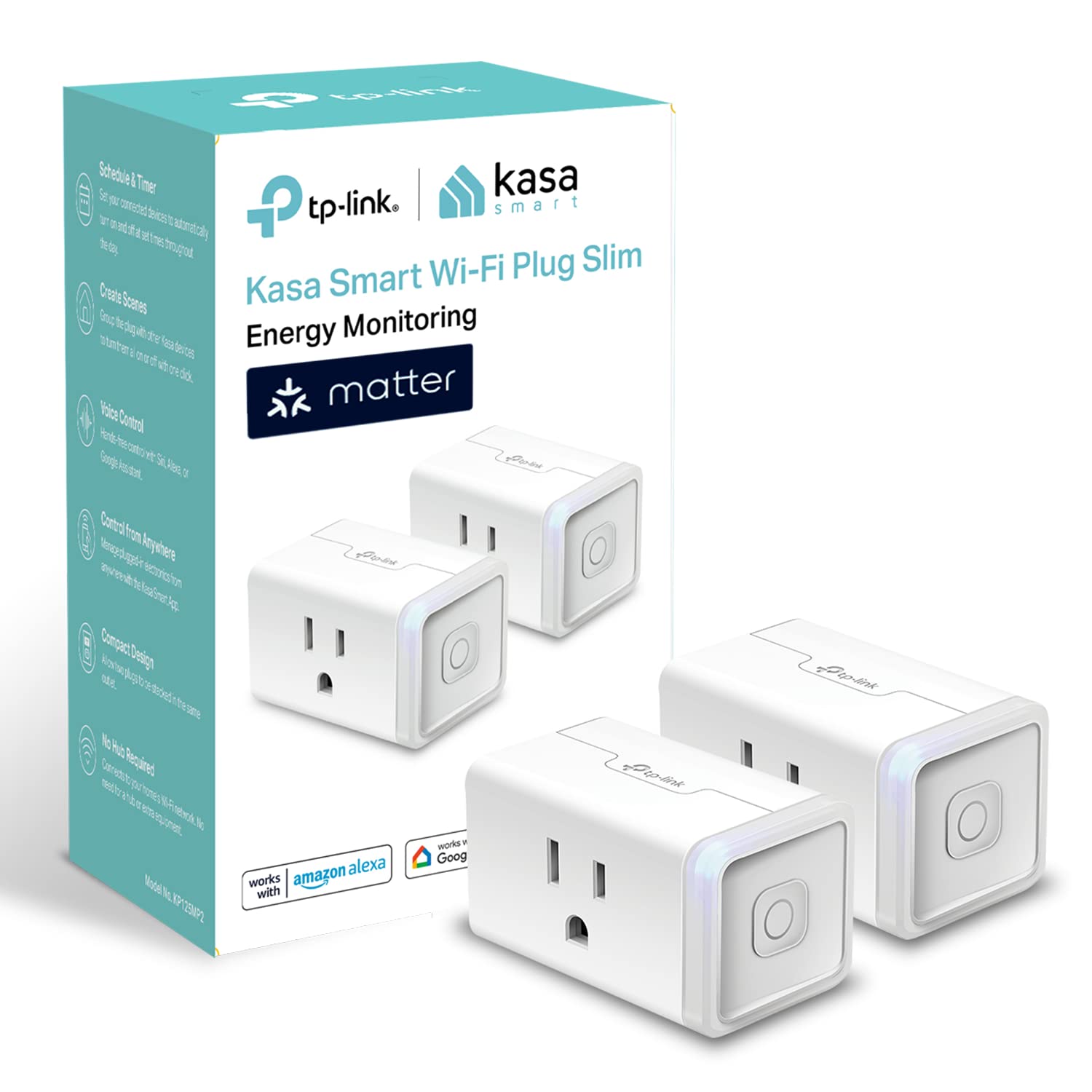
The Kasa KP125M 2-pack is the cheapest honest meter in the smart-home world: about $30 for two UL-certified plugs that track consumption by day, week, and month in the Kasa app, and being Matter-certified they’ll work with whatever ecosystem you end up in five years from now. For a heater, the plug does the two jobs that matter: the meter shows you the real burn rate, and the app schedule/auto-off kills the heater if you forget it. The honest cons: it’s 2.4GHz-only, which trips some mesh setups, and full Matter features want a hub — though the metering runs fine in the plain Kasa app.
My take: buy the 2-pack, meter two rooms for a week each, and you’ll know more about your heating bill than a year of utility statements will ever tell you.
Amazon Basics Ceramic Space Heater — The Heater Worth Metering
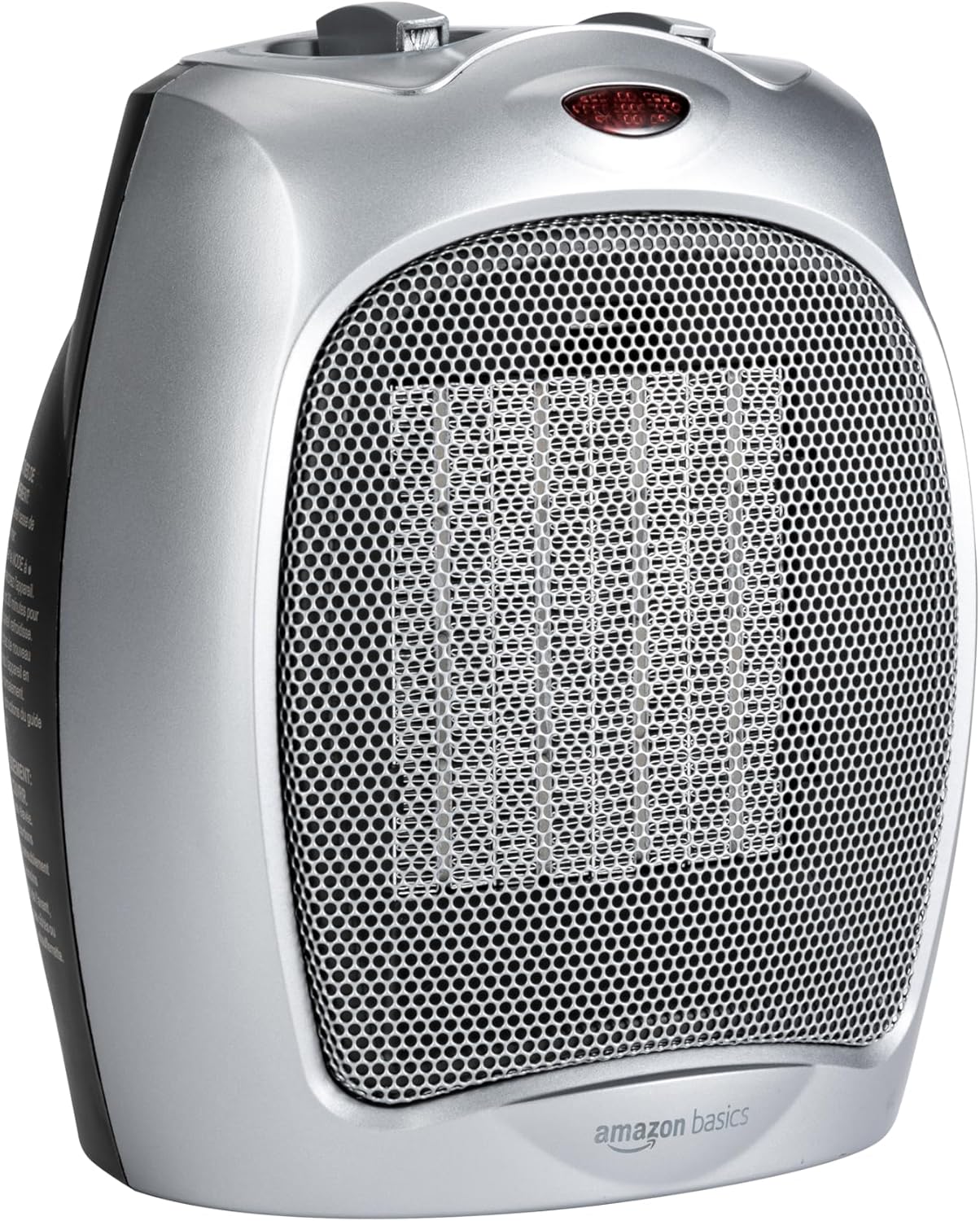
The Amazon Basics 1500W ceramic heater is the control group for this experiment: about $22 tonight, tip-over and overheat protection, two heat settings plus fan. It’s the heater most people actually own the shape of — cheap, loud, dependable. The cons are real: it’s non-oscillating, the fan is the loudest thing in a quiet room, and there’s no thermostat, so it runs full-blast until you kill it. That last one is exactly why it’s the perfect first metering subject: a dumb heater plus a smart plug is the cleanest possible test of what zone heating really costs.
My take: meter this heater for a week and you’ll have the real number for your house — then decide if zone heating is a strategy or just a comfort.
The 1,500-Watt Math (Run It With Your Number)
Here’s the arithmetic that kills the folklore. A 1,500-watt heater running flat-out pulls 1.5 kWh per hour. At the national average residential rate (about 15–17 cents per kWh depending on the month), that’s 22–26 cents an hour — not a dollar. Two honest caveats: your rate may be higher (New England and California run well above average; check your bill’s supply + delivery rate), and a heater with a thermostat doesn’t run flat-out. A 25%-duty cycle in a moderately insulated room drops the real cost to 5–7 cents an hour. The plug exists to replace both caveats with your actual number.

My take: print the math, but trust the meter — a week of real data beats every forum thread ever written on this.
DREO 30-Inch Tower Heater — The App-Native Alternative (and a Recall Note)
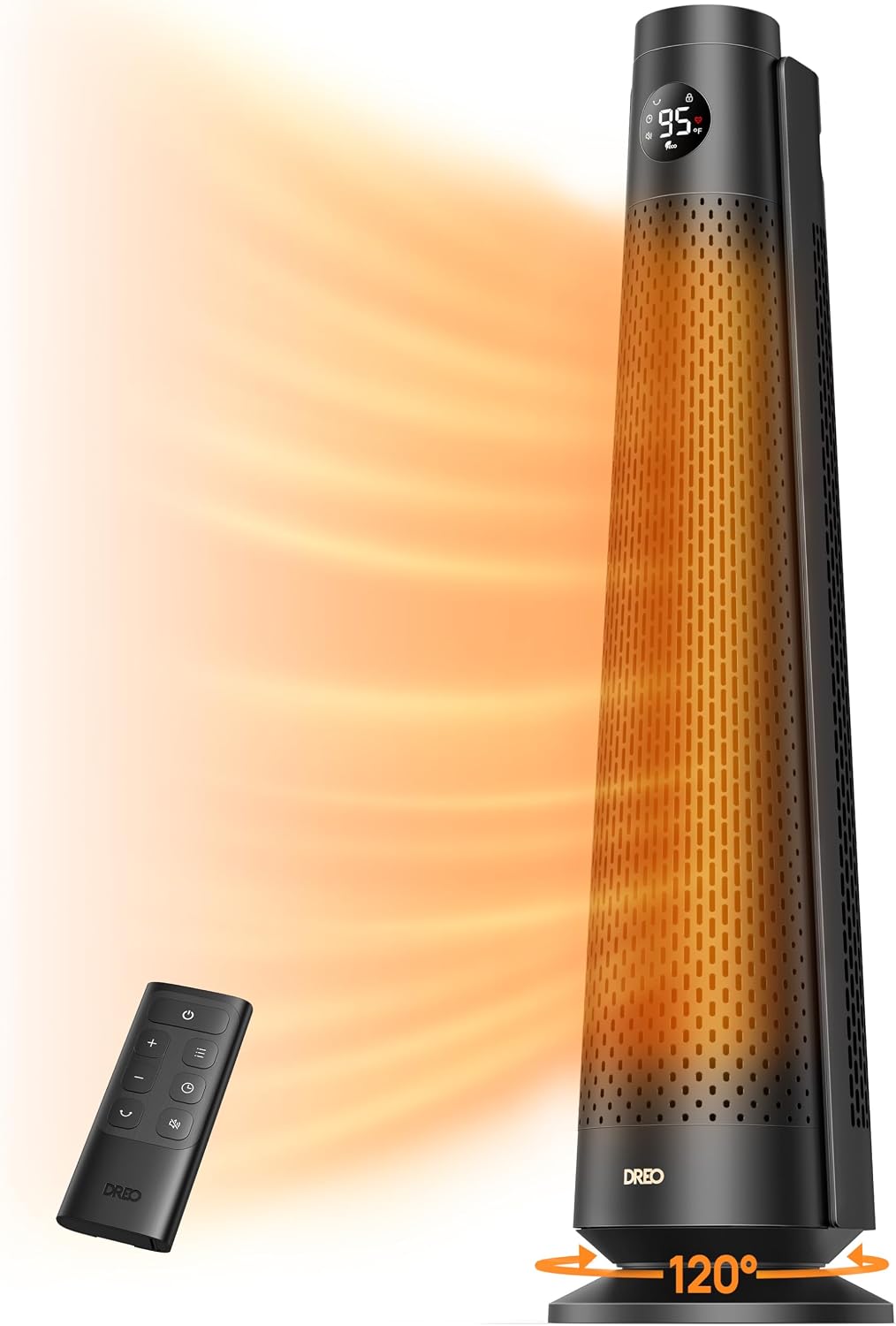
The DREO 30-inch tower heater is what you buy when you want the app-scheduling and voice control built into the heater itself: 1,500 watts, 25dB quiet mode, oscillation, remote, and scheduling through the DREO app or Alexa. About $130, 4.6 stars across 1,756 ratings tonight. The honest con: it’s the same 1,500 watts as the $22 heater — you’re paying for the app and the quiet, not more heat. One important note for smart-heater shoppers: skip the Govee smart space heaters you’ll see in this search — the CPSC recalled the Govee/GoveeLife smart heater line (models H7130–H7135, about 512,500 units) over overheating and fire risk, with 113 incident reports including seven fires. A recalled heater is not a deal at any price.
My take: if you want app-native heating, the DREO tower is the safe modern pick — and the smart-plug-plus-dumb-heater route above gets you the same scheduling for a third of the price.
Kasa KP125 Single — The One-Outlet Tester
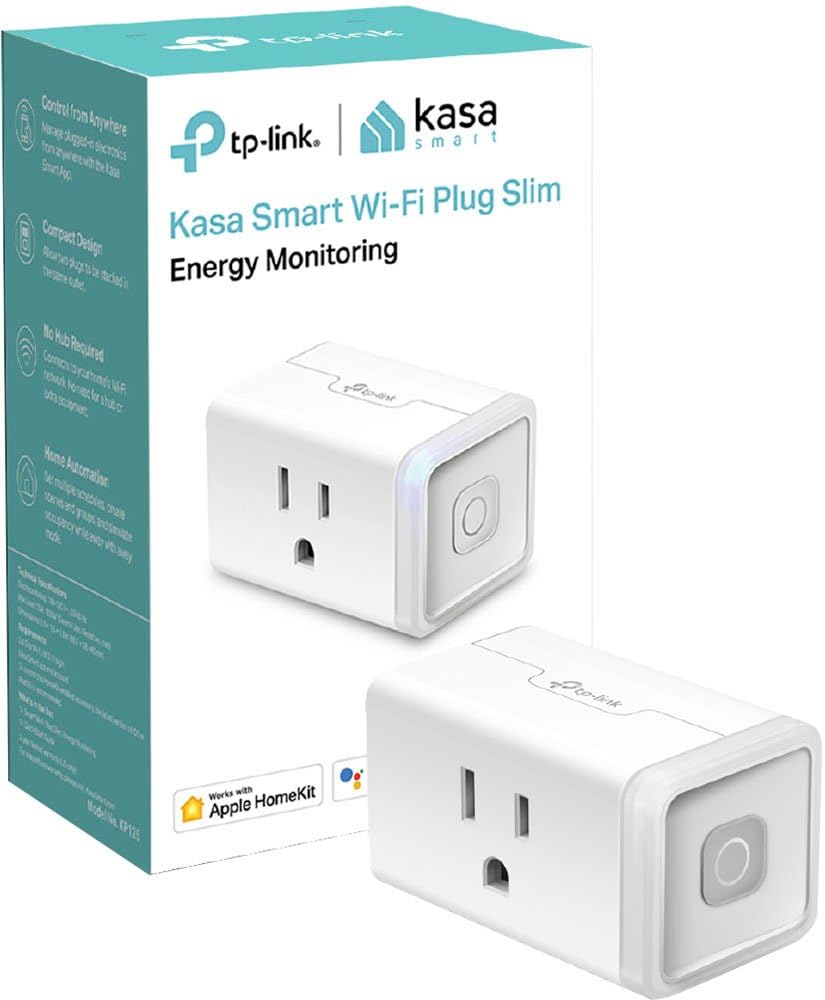
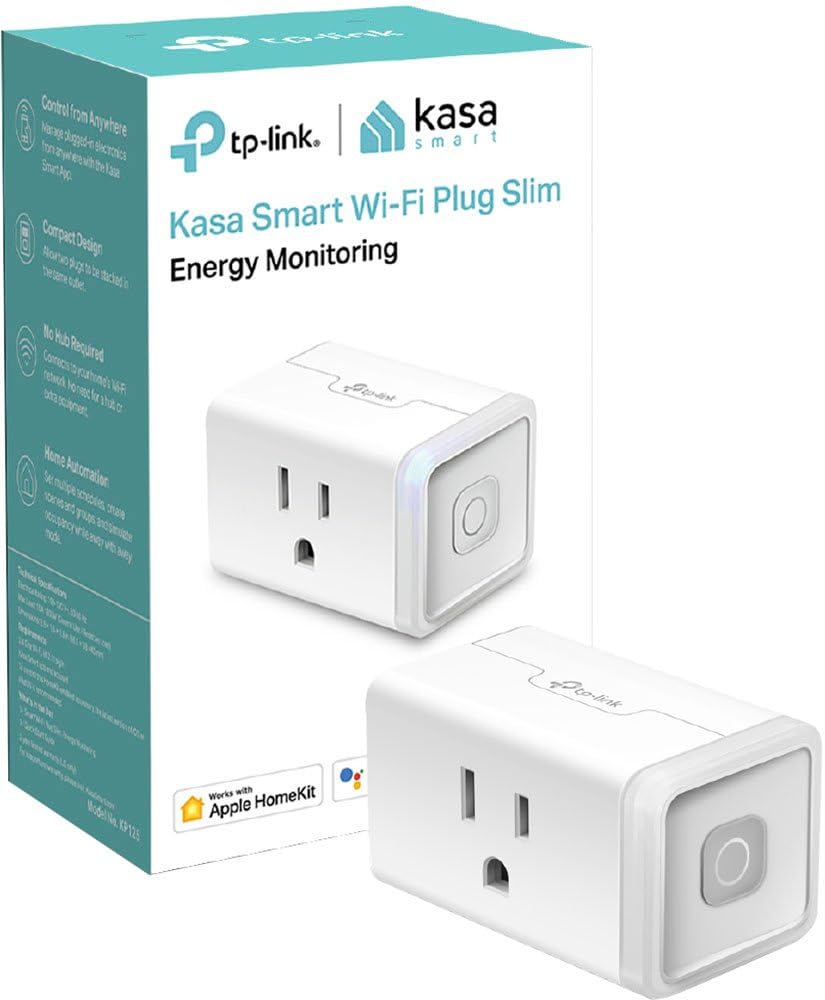
The Kasa KP125 single is the toe-in-the-water version of the meter: one plug, energy monitoring, about $17. The catch tonight is availability — the single showed out-of-stock on Amazon when I checked, as did its HomeKit sibling (KP125P2), so the 2-pack above is the buy that’s actually on the shelf. If the single comes back, it’s the right size for one-room experiments.
My take: the 2-pack is the value anyway — two meters means you can A/B the living room against the bedroom and see which room your house actually heats expensively.
Before winter rates hit: smart plugs and heaters both go on sale as the cold months land — grab a free 30-day Prime trial here so shipping never delays the metering week.
What Actually Saves Money (And What Doesn’t)
Meter first, buy second. The $17–30 plug tells you if zone heating saves you anything before you buy a second heater. Some houses (open floor plans) discover central heat was already the cheaper play.
Auto-off schedules are the real safety feature. The plug’s schedule means “I forgot the heater” stops being a fire-drill class of mistake — the heater dies at 11 PM whether you remember it or not.
25% duty cycle beats the folklore both directions. The dollar-an-hour crowd overestimates; the “it’s basically free” crowd underestimates. Your metered week replaces both with a number.
Infrared panels and “efficient” heaters don’t beat the math. Every 1,500-watt heater delivers the same heat per kWh. Efficiency claims in this category are about comfort distribution, not energy math.
The Savings Math: One Week of Metering
- National-average math: 1,500W × 5 hrs/evening = 7.5 kWh/day ≈ $1.14/day ≈ $34/month at 15¢/kWh if it ran flat-out.
- Real cycling number: thermostat duty of 25–40% cuts that to $9–14/month — the number your plug will confirm.
- The plug pays for itself in the first week if it changes one hour a day of heater behavior.
- Zone heating vs central: if your central system costs more than ~$34/month per heated zone, the meter will show zone heating winning — that’s the strategy decision the data makes for you.
Keep reading: the Black Friday price floors worth waiting for and the hallway lights that turn on before you reach the switch — two more winter comfort plays.
CleverHomeClub is reader-supported. As an Amazon Associate, I earn from qualifying purchases. That means if you buy through one of the links above, I get a small commission at no extra cost to you. I only recommend devices I’d run in my own home.
🏠 Get Your Free Smart Home Setup Checklist
Join our newsletter and get this free printable plus weekly tips.
Frequently Asked Questions
How much does it cost to run a space heater per day?
At the national average rate a 1500-watt heater costs 22-26 cents per hour flat-out, so a five-hour evening is about $1.14. But heaters cycle: a thermostat duty cycle of 25-40 percent drops the real cost to roughly 9-14 dollars a month. Your number depends on your rate and your room - that is exactly what a 20-dollar metering plug measures in one week.
Do energy monitoring smart plugs save money?
They do not save anything by themselves - they save money by changing decisions. A week of real data tells you whether zone heating beats your central system, which room heats expensively, and whether the schedule you set is actually running. If it changes one hour a day of heater behavior, the plug pays for itself in the first week.
Is zone heating with a space heater cheaper than central heat?
Sometimes, and that is the honest answer. If your central system costs more than about 34 dollars a month per heated zone, zone heating wins; if your house is open-plan with a single thermostat, central heat usually stays cheaper. The metering plug exists so you measure your house instead of guessing.
Liked this guide? Get the next one in your inbox — the smart home starter checklist is free too.
✓ You're in — check your inbox.
No spam. Unsubscribe anytime. We never share your email.
Price Check
Prices verified via our product tracker. Updated Oct 11.
As an Amazon Associate we earn from qualifying purchases.