The Most Expensive Disaster Starts With a Drip
Water damage accounts for nearly 30% of all homeowners insurance claims, and the average payout tops 11,000 dollars. A burst pipe at 2 AM, a silent leak behind your washing machine, a cracked water heater tank — these scenarios destroy floors, walls, and belongings in hours. The crazy part? A smart water leak detector that catches the problem early costs less than a single month of streaming services. If you’ve been building out your smart home setup, this is the device that earns its keep faster than anything else you’ll buy.
How Water Damage Happens (And What It Really Costs)
Water doesn’t need a dramatic event to ruin your day. Most home water disasters come from slow, silent failures that go unnoticed for days or weeks:
- Burst pipes: A frozen or corroded pipe can release 50 gallons per minute. Even 30 minutes of uncontrolled flow means thousands of gallons flooding your home. Cleanup typically runs 5,000–20,000 dollars depending on how far the water spreads.
- Failed water heater: A rusty tank can rupture without warning, dumping 40–80 gallons across your basement or garage floor. Replacement, cleanup, and dry-out often hit 3,000–7,000 dollars.
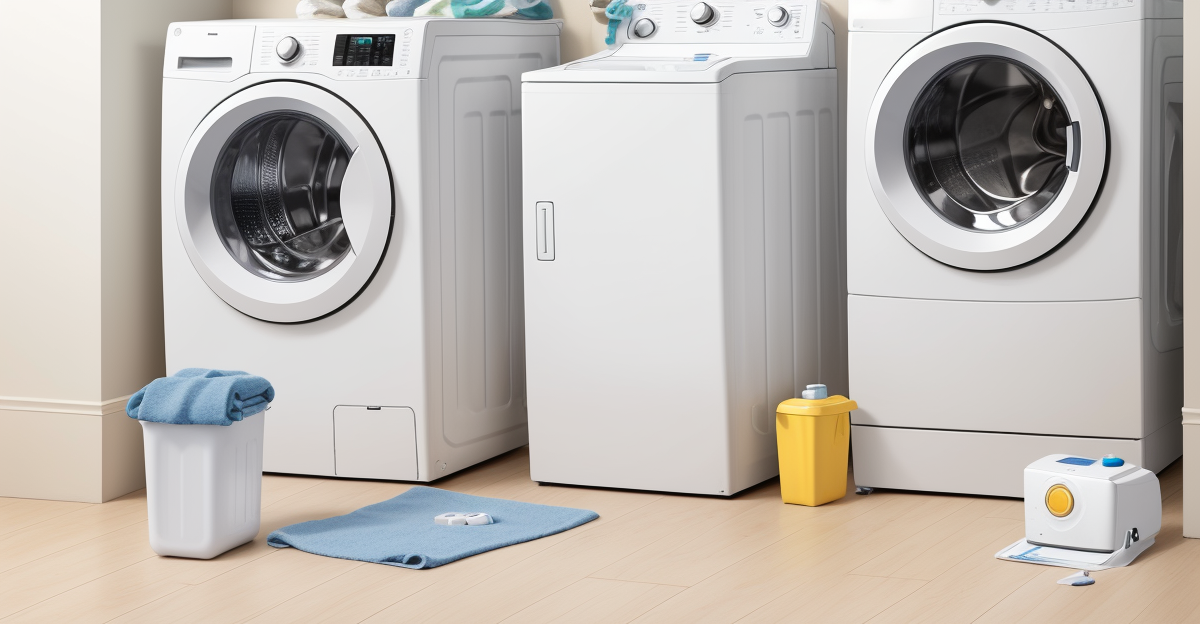
- Washing machine hose: Those rubber supply lines degrade over time. When one bursts, you get continuous flow until someone notices — and the damage easily climbs past 5,000 dollars.
- AC condensate drain: A clogged drain line causes your air handler to overflow, often into a ceiling below. The slow drip ruins drywall and flooring before you hear a thing.
- Toilet supply line: A cracked valve or loose connection under the tank can leak continuously — sometimes for days behind a wall before anyone spots the stain.
The pattern is always the same: the leak starts small, goes unnoticed, and by the time you see the damage, you’re calling a restoration company and filing an insurance claim. Smart leak detectors break that cycle by catching the problem within minutes, not days.
What Smart Water Leak Detectors Actually Do
These devices are simpler than you’d expect — and more useful than you’d think:
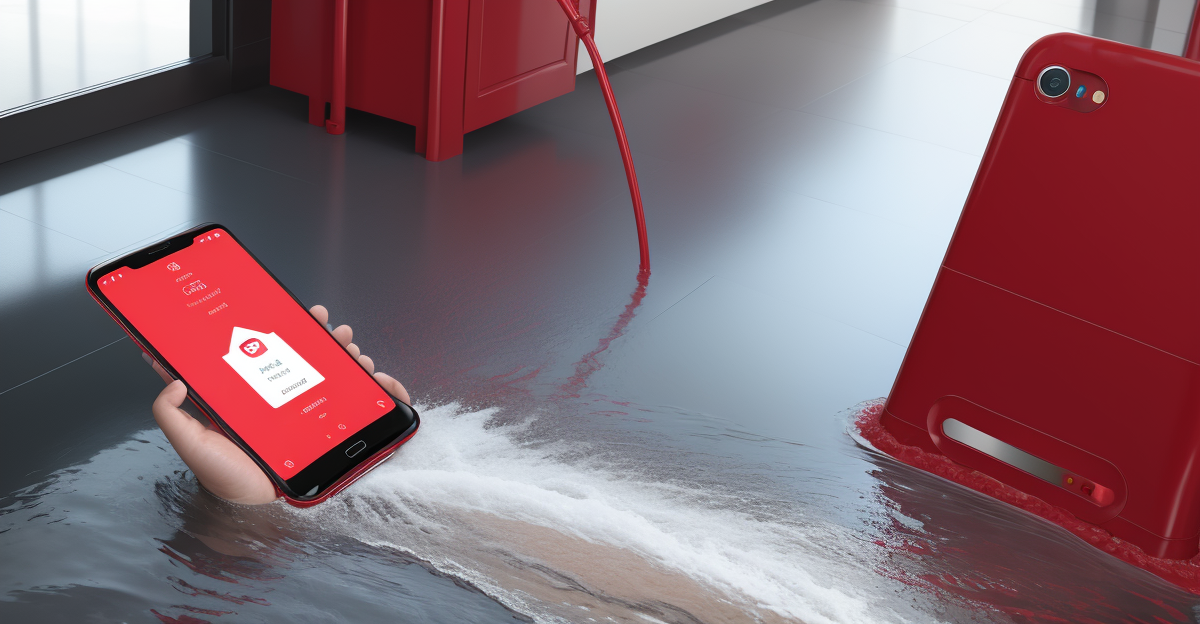
- Immediate phone alerts: The moment moisture hits the sensor, you get a push notification. Whether you’re at work or on vacation, you know there’s a problem and can act fast.
- Audible alarms: Most detectors also sound a loud siren at the device itself — useful if you’re home but in a different room.
- Automatic water shutoff: Premium models like the Moen Flo can automatically close your main water valve when a leak is detected. No human intervention needed.
- Continuous monitoring: Devices like Flume track your overall water usage patterns. They can flag a running toilet or slow drip that doesn’t trigger a floor sensor — catching waste and tiny leaks that add up over months.
- Temperature and humidity tracking: Many sensors also report ambient conditions, alerting you to freezing pipes or high humidity that could lead to mold.
The combination of instant awareness and automatic response is what separates a 50-dollar cleanup from a 15,000-dollar disaster.
Top Picks: Best Smart Water Leak Detectors
Flume Smart Water Monitor — Best for Whole-Home Coverage
Flume straps onto your existing water meter and monitors every drop that enters your house. It doesn’t need sensors scattered around — it watches the main line and sends alerts when unusual flow is detected. You’ll catch running toilets, stuck irrigation valves, and hidden leaks behind walls. Flume installs in minutes with no pipe cutting required, works with Alexa and Google Assistant, and gives you detailed usage breakdowns in its app. At around 200 dollars, it’s the most comprehensive option if you want to monitor your entire plumbing system.
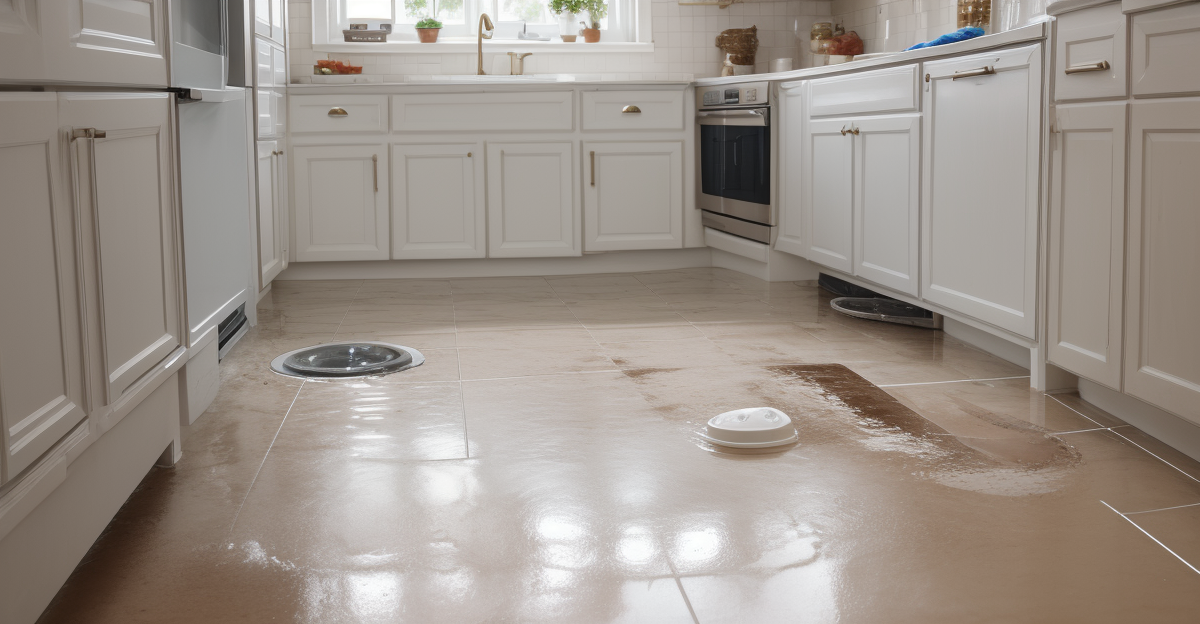
Govee Water Leak Detector — Best Budget Multipack
Govee’s leak detectors are absurdly affordable — you can get a 5-pack for under 30 dollars. Each sensor is small, battery-powered (lasts about a year on a single CR2032), and loud enough to hear from another room. They connect via Bluetooth to the Govee app, which pushes phone alerts the second water is detected. No hub required. For blanketing your home with sensors on a tight budget, Govee is hard to beat.
Moen Flo Smart Water Shutoff — Best Premium Option with Auto Shutoff
The Moen Flo is the gold standard for leak protection. It installs directly into your main water line and continuously monitors flow rate, pressure, and temperature. When it detects a leak — whether it’s a burst pipe or a slow drip — it can automatically shut off your water before damage spreads. The Flo app runs daily health checks on your plumbing, catching micro-leaks that waste water over time. Professional installation is required, and the unit runs 500 dollars plus, but it’s the only device that can actually stop a flood in progress while you sleep.
Aqara Water Leak Sensor — Best for Matter/Thread Smart Homes
If you’re building a modern smart home with Matter and Thread, Aqara’s leak sensor fits right in. It’s compact, runs on a CR2032 battery for up to two years, and supports both Zigbee and Matter-over-Thread. That means it works with Apple Home, Google Home, Alexa, and any Matter-compatible platform without a proprietary app. At around 20 dollars per sensor, it’s an easy addition to an existing Aqara or Thread network.
Where to Place Your Leak Detectors
Placement is everything. A detector in the wrong spot won’t help. Here’s where to put them:
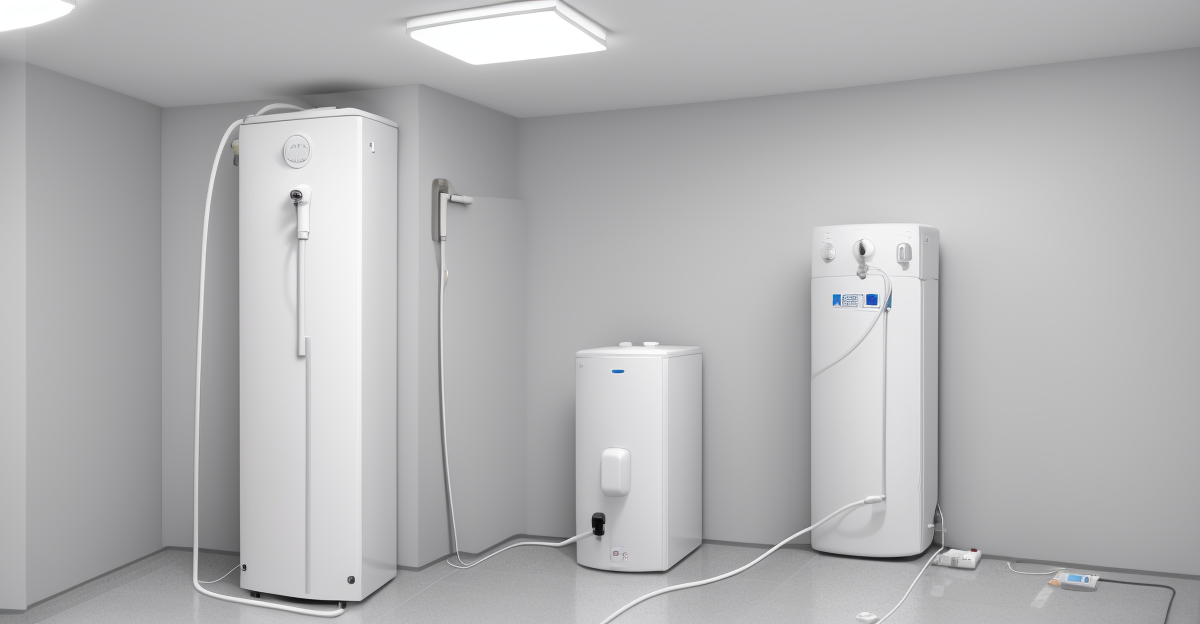
- Next to the water heater: This is the single most important spot. Tanks fail suddenly and release a lot of water. Place the sensor on the floor within a few inches of the base, where water would pool first.
- Behind the washing machine: Hoses and valve connections are common failure points. Tuck a sensor on the floor behind the unit where you’d never notice a slow drip.
- Under kitchen and bathroom sinks: Supply lines and drain pipes leak more often than you’d think. A small sensor under the cabinet catches moisture before it warps the floor underneath.
- Near the AC indoor unit or furnace: Condensate drain clogs cause overflows that often soak into ceilings or walls below. Place a detector in the drain pan or on the floor beside the unit.
- In the basement or crawl space: Anywhere pipes run through unfinished spaces deserves coverage. A detector on the basement floor near your main shutoff valve catches leaks where they often start.
- Behind the refrigerator: Ice maker lines are notorious for slow leaks. Slide a sensor behind the fridge where you’d never see water accumulating.
Connecting Leak Detectors to Your Smart Home
Leak detectors get a lot more powerful when they’re part of an automated system. With the right setup, a detected leak doesn’t just notify you — it takes action:
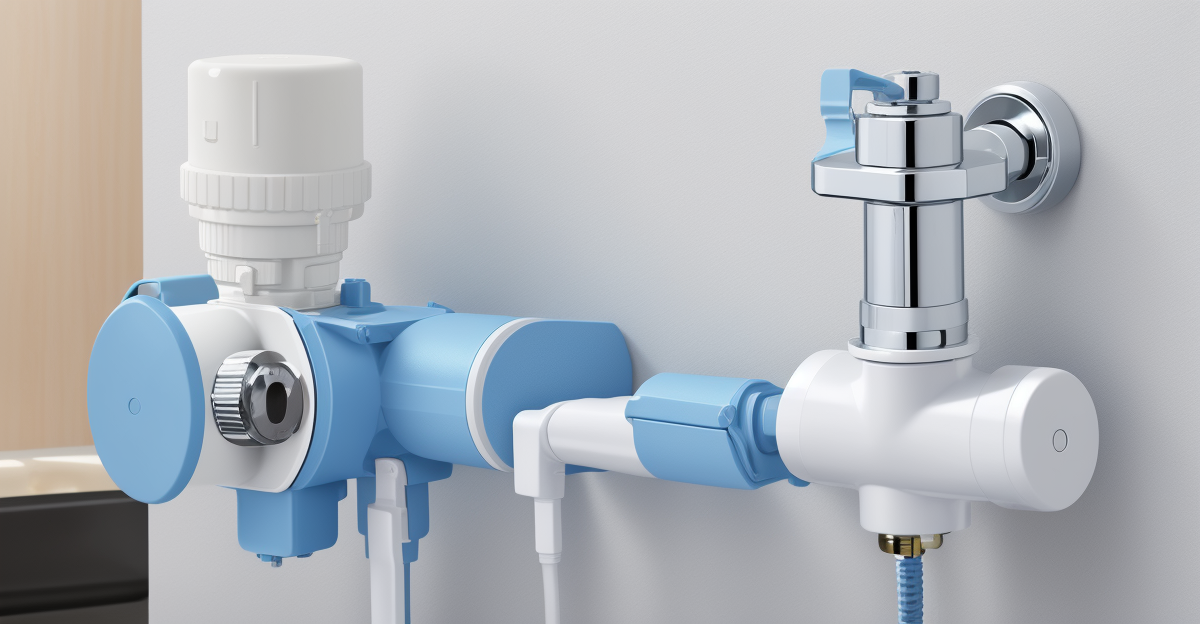
- Auto shutoff: Pair a leak sensor with a smart water valve (like the Moen Flo) so your water turns off automatically when a leak is detected. No scrambling to find the shutoff valve at 3 AM.
- Smart lights: Flash your hallway or kitchen lights red when a leak is detected. Visual alarms cut through noise and distance better than phone buzzes.
- Smart speakers: Have Alexa or Google announce “Water leak detected near the water heater” through every speaker in the house.
- Smart home platforms: Most leak sensors work with Alexa, Google Home, Apple Home, and automation platforms like Home Assistant. Set up routines that trigger shutoff valves, lights, and announcements simultaneously.
The goal is simple: detect the leak, alert everyone, and stop the water — as fast and automatically as possible. Smart home automations turn a 20-dollar sensor into a full response system.
Are Smart Leak Detectors Worth It?
Let’s run the math. A decent leak detector costs 15–50 dollars. A multipack to cover your key spots runs 30–100 dollars. The average water damage insurance claim is over 11,000 dollars — and that doesn’t include your deductible, increased premiums, or the stuff insurance won’t replace (sentimental items, upgraded materials, temporary housing).
Even a single false alarm that saves you from a slow leak behind a wall can pay for every sensor you own, several times over. And unlike many smart home gadgets that are nice-to-have, leak detectors are one of the few devices that literally pay for themselves the first time they alert you to a problem.
If you’re still on the fence about building out your smart home, start with security and safety devices like leak detectors and smoke alarms. They’re the cheapest entry point and the highest ROI.
The Bottom Line
Water damage is preventable. For less than the cost of a pizza, you can put sensors in the places most likely to leak and get instant alerts the moment something goes wrong. For a few hundred dollars, you can automate your entire water shutoff and never worry about a burst pipe again.
This isn’t a luxury gadget — it’s one of the smartest investments you can make in your home. If you’re only going to buy one category of smart home device, make it this one. Your future self, standing in a dry basement at 2 AM instead of ankle-deep in water, will thank you.