
This article contains affiliate links. We may earn a commission from qualifying purchases.
Some content on this site is AI-assisted and reviewed by our editorial team.
Your pets can’t call 911 when something goes wrong. These 8 smart home devices create a safety net for your animals — plus one popular device to skip.
Why Your Pets Need a Smart Safety Net
Every day, pet owners leave dogs and cats in empty houses with zero monitoring. If the power goes out, the AC fails, or your pet gets into trouble, you won’t know until you get home — and by then, it might be too late.
Here are eight devices that actually help your pets — and one that doesn’t.
1. Smart Cameras with Two-Way Audio
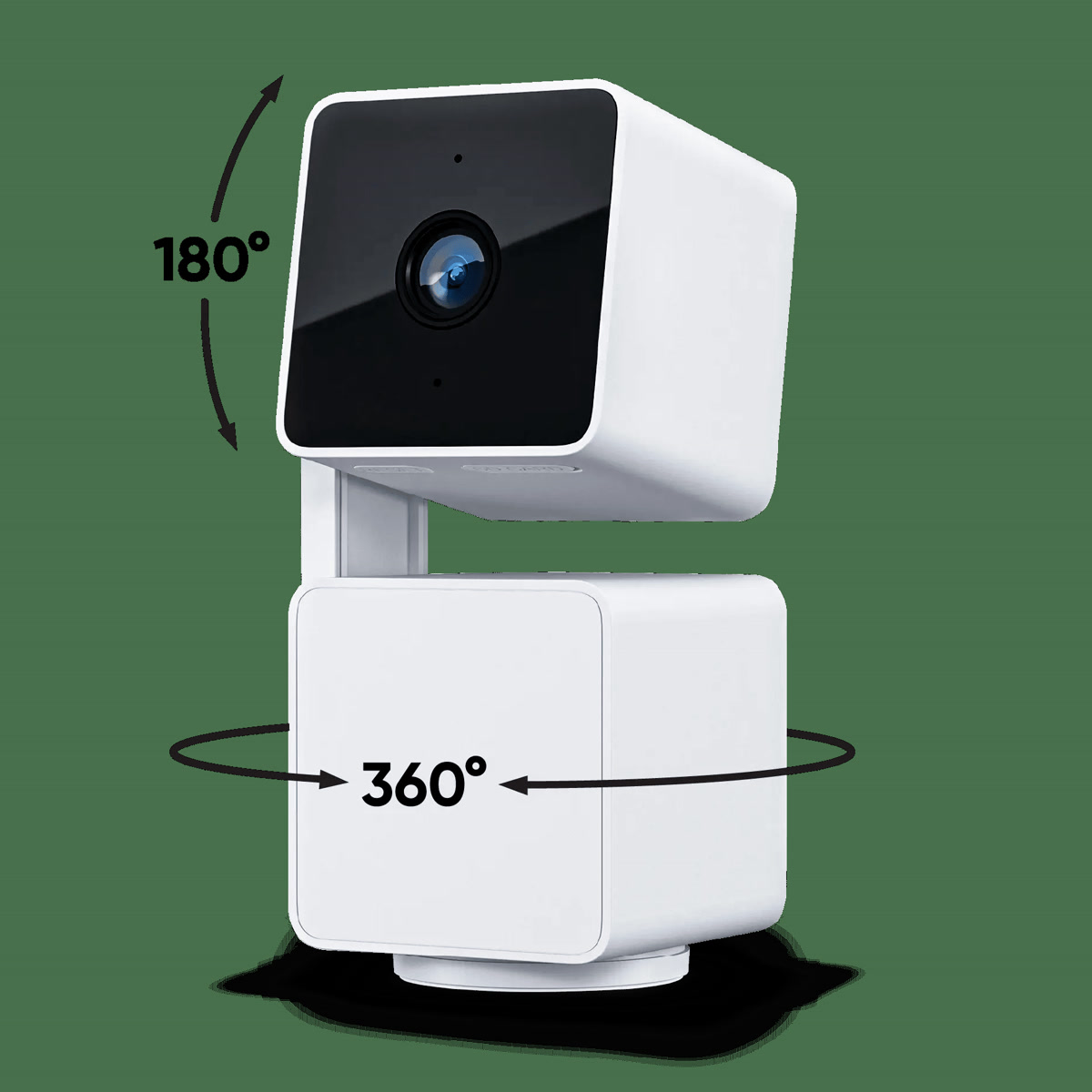
A smart camera is the single most important device for pet owners. It lets you see what’s happening, hear if your dog is barking, and talk to your pets through a built-in speaker. Hearing your voice can calm a distressed animal, and real-time video tells you whether you need to head home.
- Look for two-way audio so you can soothe your pets remotely
- Choose a camera with night vision — pets are most active at dawn and dusk
- Motion-triggered clips let you quickly review unusual activity
- Wide-angle lenses (130°+) cover more of the room so you can find your pet
Recommended: smart cameras with two-way audio on Amazon — or browse pet cameras with treat dispensers if you want to reward good behavior remotely. For a budget setup, see our smart home setup under 100 dollars.
2. Smart Feeders
Smart feeders dispense food on a schedule you control from your phone, so your pet eats on time even when you’re running late. Some models track how much your pet eats — an early warning sign for illness.
- Scheduled feeding means no more missed meals when you work late
- Portion control helps prevent obesity — a serious health risk for house pets
- Choose a feeder with a backup battery so it works during power outages
- Look for jam detection — a feeder that stops dispensing is worse than no feeder
Recommended: automated smart pet feeders on Amazon — for cats, browse app-controlled cat feeders. Pair one with smart home automations for a setup that runs itself.
3. Temperature Sensors and Alerts
This is the device that can save your pet’s life. Dogs and cats can’t open a window when the AC breaks. In summer, a malfunctioning air conditioner can push indoor temperatures to dangerous levels in under an hour. Temperature sensors alert your phone the moment things get too hot — or too cold.
- Set alerts for above 80°F — the danger zone for pets in enclosed spaces
- Place sensors near the floor where your pet is, not on a wall at human height
- Choose sensors that work without Wi-Fi — if your internet drops, you still need alerts
- Pair with a budget smart home security system for complete coverage
Recommended: smart temperature sensors with phone alerts on Amazon — also consider temperature and humidity monitors. For more ideas, see our smart home security on a budget guide.
4. Smart Water Fountains
Dehydration is a silent killer for pets, especially cats who notoriously don’t drink enough. Smart water fountains keep water circulating (which pets prefer), filter impurities, and send you an alert when the water level drops too low.
- Circulating water encourages cats to drink more, preventing urinary problems
- Low-water alerts mean you never come home to an empty bowl
- Choose a fountain with a large reservoir (2+ liters) for all-day coverage
- Look for replaceable filters to keep water fresh between refills
Recommended: smart pet water fountains on Amazon — for cats that ignore still water, try a stainless steel cat fountain with app monitoring.
5. Smart Locks for Pet Sitters
When you’re traveling, your pet sitter needs access. Physical keys get lost or copied. A smart lock lets you create temporary codes that work only during times you specify, with notifications every time the door opens.
- Temporary codes for sitters, walkers, or neighbors — set start and end times
- Activity logs show exactly when someone entered and left
- Some locks auto-lock after a set time so the sitter can’t forget to close up
- Remote lock/unlock if the sitter’s code isn’t working
Recommended: smart locks with guest access on Amazon — keypad deadbolts with scheduled access are especially good for sitters. Pairs well with time-saving automations that turn on lights when the sitter arrives.
6. Motion Sensors and Activity Monitoring
You know your pet’s patterns. Motion sensors can learn them too, alerting you when something changes. A sudden drop in activity might mean illness. Unusual nighttime movement could signal distress. Especially valuable for senior pets.
- Activity tracking flags unusual patterns — less movement can mean illness
- Place sensors in high-traffic pet areas (near beds, food, nap spots)
- Some systems distinguish between pets and humans to reduce false alerts
- Combine with cameras so you can visually check when motion seems off
Recommended: smart motion sensors for pet monitoring on Amazon — or try a pet activity tracker collar for more detailed health insights.
7. Smart Smoke and Carbon Monoxide Detectors
Pets can’t evacuate in a fire or gas leak. Smart smoke and CO detectors send instant phone alerts, giving you minutes to call emergency services or a neighbor. Standard detectors only alarm inside — if no one’s home, no one hears it.
- Phone alerts mean you know about danger even when you’re miles away
- Smart detectors can auto-contact emergency services in some configurations
- Place one near your pet’s main area — not just in the kitchen
- Carbon monoxide is especially dangerous — odorless, and pets are closer to the floor where it pools
Recommended: smart smoke and CO detectors on Amazon — for combined coverage, look at combination smoke and CO detectors with phone alerts. This is a must-have in any budget home security setup.
8. Smart Plugs for Fans and Heaters
When your temperature sensor alerts you that it’s too hot, a smart plug lets you act remotely. Plug a fan or portable AC into a smart plug and turn it on from your phone. In winter, the same works with a safe space heater.
- Connect a fan to a smart plug so you can cool your home remotely when temperatures spike
- Use smart plugs on pet-safe heaters for cold weather emergencies
- Set up an automation: temperature sensor detects heat → smart plug turns on fan
- For a full breakdown, see our best smart plugs 2026 review
Recommended: smart plugs with remote control on Amazon. See our smart plugs review for detailed ratings.
The One Device That Doesn’t Work: Smart Pet Doors
Smart pet doors sound great — only your pet can trigger the door via microchip or RFID. In practice, they’re a headache. The biggest problem: raccoons are shockingly good at figuring out pet doors, even “smart” ones. A determined raccoon will follow your cat through the flap or learn to trigger the sensor.
There’s also a security issue — a pet door large enough for a medium dog lets a human reach through and unlock your deadbolt. And many smart pet doors are notoriously unreliable, jamming and misreading chips until your pet is stranded outside.
We cover this and other pitfalls in our post on 12 smart home mistakes beginners make. If you’re considering one anyway, browse smart pet doors on Amazon — but read the reviews carefully, especially the ones mentioning raccoons. The short version: skip the smart pet door. Use a regular pet door with a manual lock for when you’re home, and rely on your sitter and camera for when you’re not.
The Bottom Line
You don’t need every device on this list to keep your pets safe. But you do need three:
- A smart camera — so you can see and hear your pet, and talk to them if they’re distressed
- A temperature sensor — because heat kills pets silently, and you need to know the moment your AC fails
- A smart lock — so someone you trust can get to your pet in an emergency, even when you can’t
Start with those three. Everything else — feeders, fountains, motion sensors — is a bonus that makes daily life better. But those core three turn a dangerous situation into a manageable one.
Your pets can’t call for help. Make sure your home can do it for them.
Related Reading
Get Our Free Smart Home Setup Checklist
Join 2,000+ smart home owners getting weekly tips and gear picks. No spam, unsubscribe anytime.
🏠 Get Your Free Smart Home Setup Checklist
Join our newsletter and get this free printable plus weekly tips.