This article contains affiliate links. We may earn a commission from qualifying purchases.
Some content on this site is AI-assisted and reviewed by our editorial team.
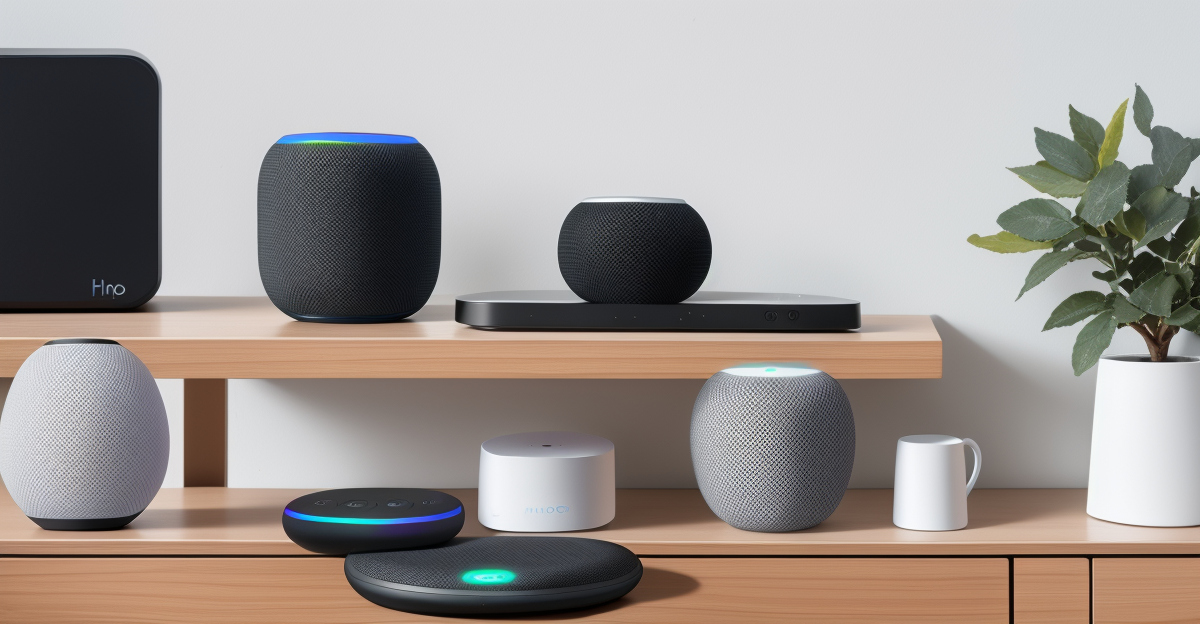
A smart speaker is the hub of your entire home. Pick the wrong one and your devices won’t talk to each other. Here’s which speakers actually belong in your home in 2026.
Walk into any home in 2026 and you’ll hear it — “Alexa, turn off the lights,” “Hey Google, what’s the weather,” or “Siri, play something chill.” The smart speaker has become the single most important device in a connected home, and yet most people buy whichever one is on sale without thinking about what they’re actually signing up for.
That’s a problem. Your smart speaker determines which ecosystem you’re locked into, how well your devices work together, and whether your home automation dreams actually come true or turn into a frustrating mess. Pick wrong and you’ll spend the next three years fighting with compatibility issues. Pick right and everything just… works.
Here’s a straightforward guide to the best smart speakers of 2026, and which one actually deserves a spot on your kitchen counter.
Why Your Smart Speaker Choice Matters More Than You Think
Buying a smart speaker isn’t like buying a Bluetooth speaker. You’re not just picking a device that plays music — you’re choosing the brain that runs your entire home. And that brain comes with serious ecosystem lock-in.
- Ecosystem lock-in is real. Once you buy into Alexa, Google, or Apple, your future smart home purchases are limited to devices that play nice with that platform. Switch later and you’re replacing everything.
- Voice assistant quality varies wildly. Google Assistant still wins at understanding natural language, Alexa has the deepest skill library, and Siri… is Siri. The gap has narrowed in 2026, but it hasn’t closed.
- Music quality matters more than you expect. You’ll use this thing every day. If it sounds tinny, you’ll hate it within a month.
If you want the full breakdown on which voice assistant actually wins, our Alexa vs Google Home comparison goes deep on capabilities, accuracy, and compatibility.
Top Smart Speaker Picks for 2026
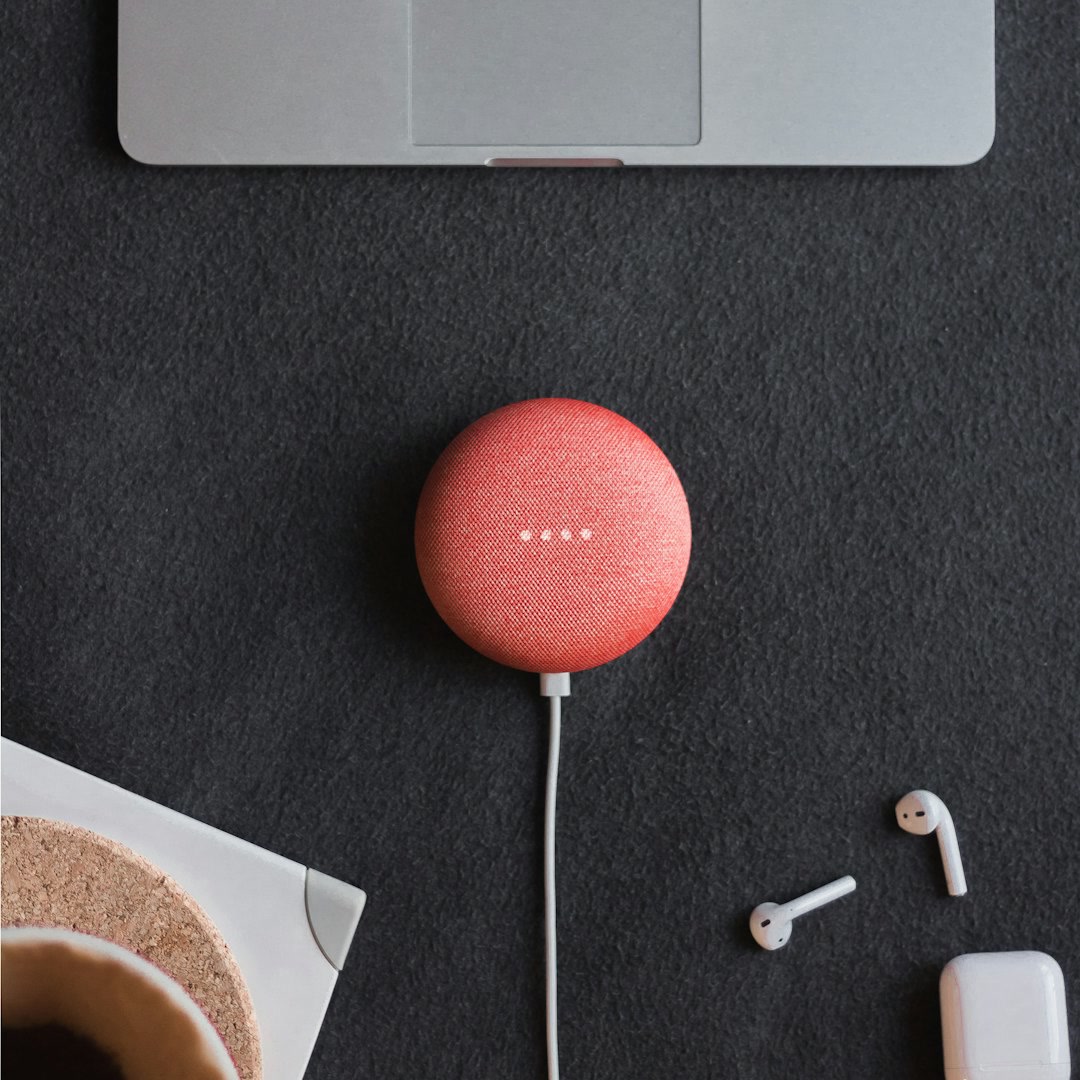
Best Budget Entry: Echo Dot (5th Gen)
The Echo Dot remains the best starting point for smart home beginners. At under 50 dollars, it’s cheap enough to try without commitment and capable enough to actually be useful. The 2025/2026 model sounds noticeably better than older generations — still not room-filling, but fine for kitchens, bedrooms, and offices.
- Price: Around 49 dollars
- Voice assistant: Alexa
- Best for: First-time buyers, filling extra rooms, budget smart home setups
- Downside: Sound quality maxes out at “fine” — audiophiles will want more
Check Echo Dot prices on Amazon →
Best Smart Display: Echo Show 8 (3rd Gen)
If you want a screen — for video calls, recipe step-throughs, security camera feeds, or just seeing your calendar at a glance — the Echo Show 8 hits the sweet spot. The 8-inch display is big enough to be useful without hogging your counter, and the speakers are surprisingly decent for the size.
- Price: Around 150 dollars
- Voice assistant: Alexa
- Best for: Kitchens, bedrooms, anyone who wants visual feedback
- Downside: The screen adds cost and bulk — skip if you only need voice
Check Echo Show 8 prices on Amazon →
Best Google Option: Google Nest Hub (2nd Gen)
The Nest Hub is Google’s best all-around smart display. It handles voice commands better than anything else on the market, the sleep sensing feature is surprisingly useful (if creepy), and it integrates seamlessly with Google services. If your life runs on Google Calendar, YouTube Music, and Google Photos, this is your device.
- Price: Around 100 dollars
- Voice assistant: Google Assistant
- Best for: Google-heavy households, people who want the best voice recognition
- Downside: Smaller app ecosystem than Alexa, fewer third-party integrations
Check Nest Hub prices on Amazon →
Best for Apple Households: HomePod Mini
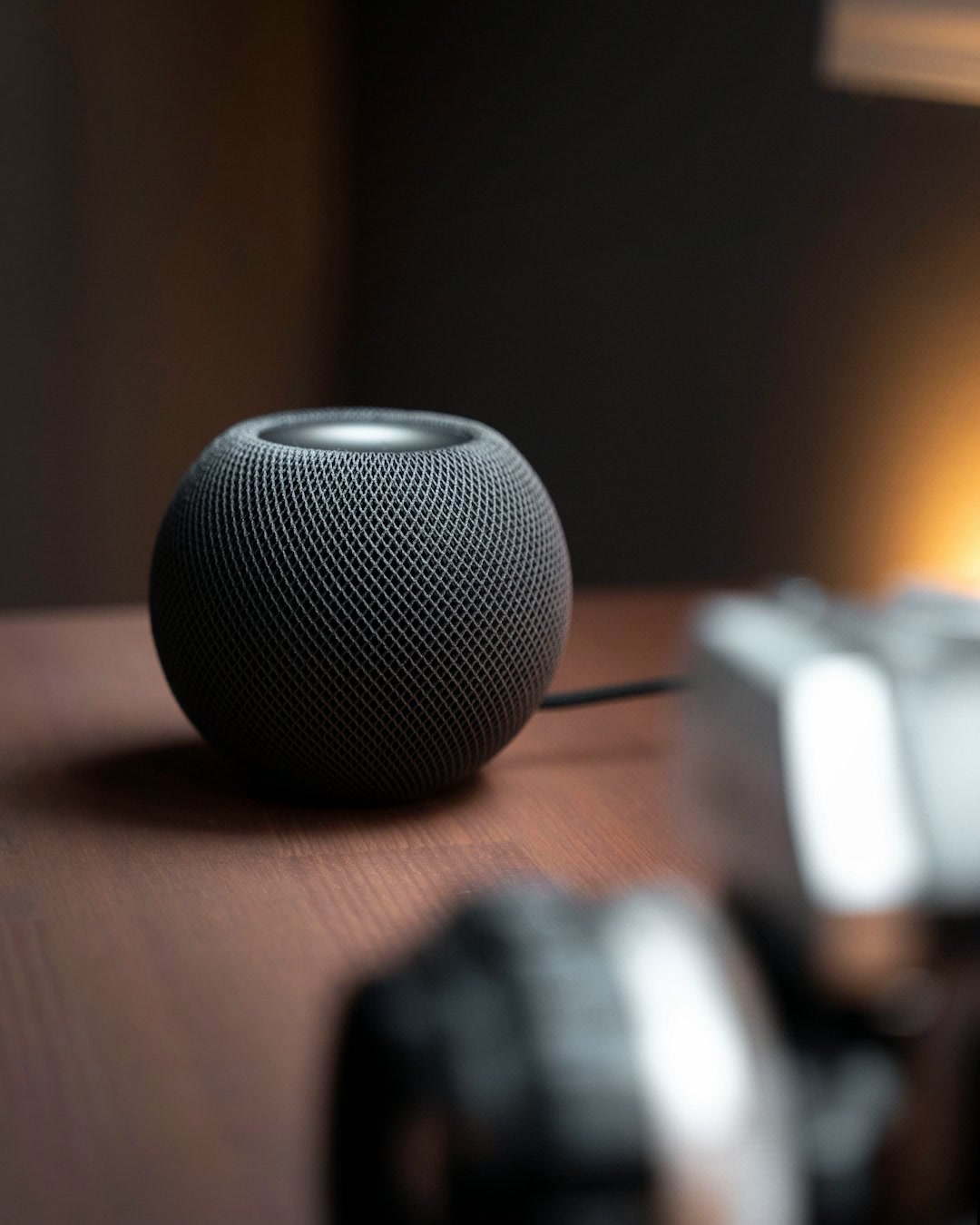
If your home runs on iPhone, Apple Watch, and AirPods, the HomePod Mini is the obvious choice. It sounds better than its size has any right to, and it’s the only speaker that gives you full HomeKit control by voice. It also doubles as a HomeKit hub, which matters if you’re building out an Apple-centric smart home.
- Price: Around 99 dollars
- Voice assistant: Siri
- Best for: Apple households, HomeKit smart homes, music-first buyers
- Downside: Limited to Apple ecosystem, Siri still trails Alexa and Google
Check HomePod Mini prices on Amazon →
Sound Quality vs Smart Features: The Trade-Off Nobody Talks About
Here’s the uncomfortable truth: the best-sounding smart speakers usually aren’t the best smart home hubs, and vice versa.
- Budget speakers (under 50 dollars) like the Echo Dot prioritize smarts over sound. Fine for voice commands and podcasts, rough for music.
- Mid-range speakers (50–150 dollars) like the Echo Show 8 and Nest Hub strike a reasonable balance. Good enough for casual music, smart enough to run your home.
- Premium speakers (150+ dollars) like the Sonos Era 100 or Apple HomePod (2nd Gen) sound great but often have narrower smart home compatibility.
If music is a priority, consider a two-device strategy: a cheap smart speaker for voice commands paired with a dedicated Bluetooth speaker for audio quality. It sounds counterintuitive, but it works better than compromising on an all-in-one.
For budget-friendly setups that still sound decent, our smart home under 100 dollars guide has specific pairing recommendations.

Which Ecosystem Should You Pick?
This is the question that matters most — and the one most people get wrong by accident.
Pick Alexa If You Want the Widest Compatibility
Amazon’s ecosystem has more skills, more device integrations, and more third-party support than anyone else. If you want maximum flexibility — especially with budget smart home gear — Alexa is the safest bet. It’s not the best at anything, but it works with almost everything.
Browse Echo devices on Amazon →
Pick Google If You Want the Best Voice Recognition
Google Assistant still understands natural language better than the competition. It handles follow-up questions, contextual commands, and complex queries more reliably. If you talk to your speaker more than you tap it, Google is the smoother experience.
Browse Nest devices on Amazon →
Pick Apple If You’re Already All-In
If you own an iPhone, use Apple Music, and have AirPods stuck in your ears half the day, the HomePod Mini is the path of least resistance. HomeKit is also more privacy-focused than Alexa or Google, which matters to some people more than feature count.
Browse HomePod devices on Amazon →

Smart Speakers as Home Hubs: The Feature That Changes Everything
Here’s what the marketing doesn’t emphasize enough: your smart speaker is also a home hub. It’s the device that lets your smart bulbs talk to your thermostat, your doorbell talk to your TV, and your routines run automatically.
- Echo devices double as Zigbee hubs, meaning they can connect directly to hundreds of smart home devices without needing a separate bridge. Add a dedicated Echo Hub and you get full smart home dashboard control.
- Nest Hub works with Google Home and Matter, giving you broad compatibility with the new universal smart home standard.
- HomePod Mini serves as a HomeKit hub, enabling automations and remote access for all your Apple-compatible devices.
Want to go deeper on automations? Our smart home automations that actually save time walks through real routines you can set up today, and our Home Assistant beginner guide covers advanced setups for when you outgrow the basics.
The Bottom Line
There’s no single “best” smart speaker — only the best one for you. Here’s the short version:
- Just getting started? Get an Echo Dot. It’s cheap, capable, and easy to expand from.
- Want a screen? Echo Show 8 for Alexa households, Nest Hub for Google households.
- All-in on Apple? HomePod Mini. No contest.
- Music first, smart features second? Look at the Sonos Era 100 or add a cheap Echo Dot alongside your existing audio setup.
The best smart speaker is the one that fits your ecosystem, your budget, and your counter space. Don’t overthink it — but don’t ignore the ecosystem lock-in either. Pick your team and build from there.
And once you’ve got your speaker sorted, pair it with the right smart bulbs and you’ll have a functional smart home for under 100 dollars. That’s where the magic actually starts.
n
🏠 Get Your Free Smart Home Setup Checklist
Join our newsletter and get this free printable plus weekly tips.
Price Check
Prices verified via our product tracker. Updated Sep 27.
| meross Smart Plug 15A, Works with Apple HomeKit, Voice & A | $39.99 | 4.3★ (13,849) |
| Echo Show 8 | $149.99 | 4.4★ (30,179) |
| Amazon.com: Google Nest Hub Max 10" Smart Display with Goo | $299.99 | 4.2★ (224) |
| Amazon.com: Apple - HomePod mini - Black : Electronics | $1,500.00 | 3.9★ (365) |
| Amazon.com: Sonos Era 100 - Black - Wireless, Alexa Enable | $219.00 | 4.4★ (2,787) |
| Amazon.com: Google Nest Audio (3-Pack) Smart Speakers – Mu | $399.99 | 4.4★ (220) |
| Echo Hub | $99.99 | 3.9★ (1,815) |
| Amazon.com: Apple - HomePod mini - Blue : Electronics | $159.99 | 3.9★ (365) |
As an Amazon Associate we earn from qualifying purchases.