This article contains affiliate links. We may earn a commission from qualifying purchases.
Some content on this site is AI-assisted and reviewed by our editorial team.
The pitch is seductive: buy one box, plug it in, and every brand talks to every other brand — Zigbee, Z-Wave, Matter, Thread, all speaking through a $180 hub. Then you look at your actual cart: two smart plugs, a bulb, and a doorbell. Total: about $110. And every single one of them says “Wi-Fi — no hub required.” The hub question is the most oversold decision in smart homes. Most homes need either no hub at all or exactly one — and the difference is about $150 and one very specific use case. I’ve run both setups in the same house; here’s the honest math.

Setup 1: No Hub — Wi-Fi Devices Plus an Echo Dot as the Glue
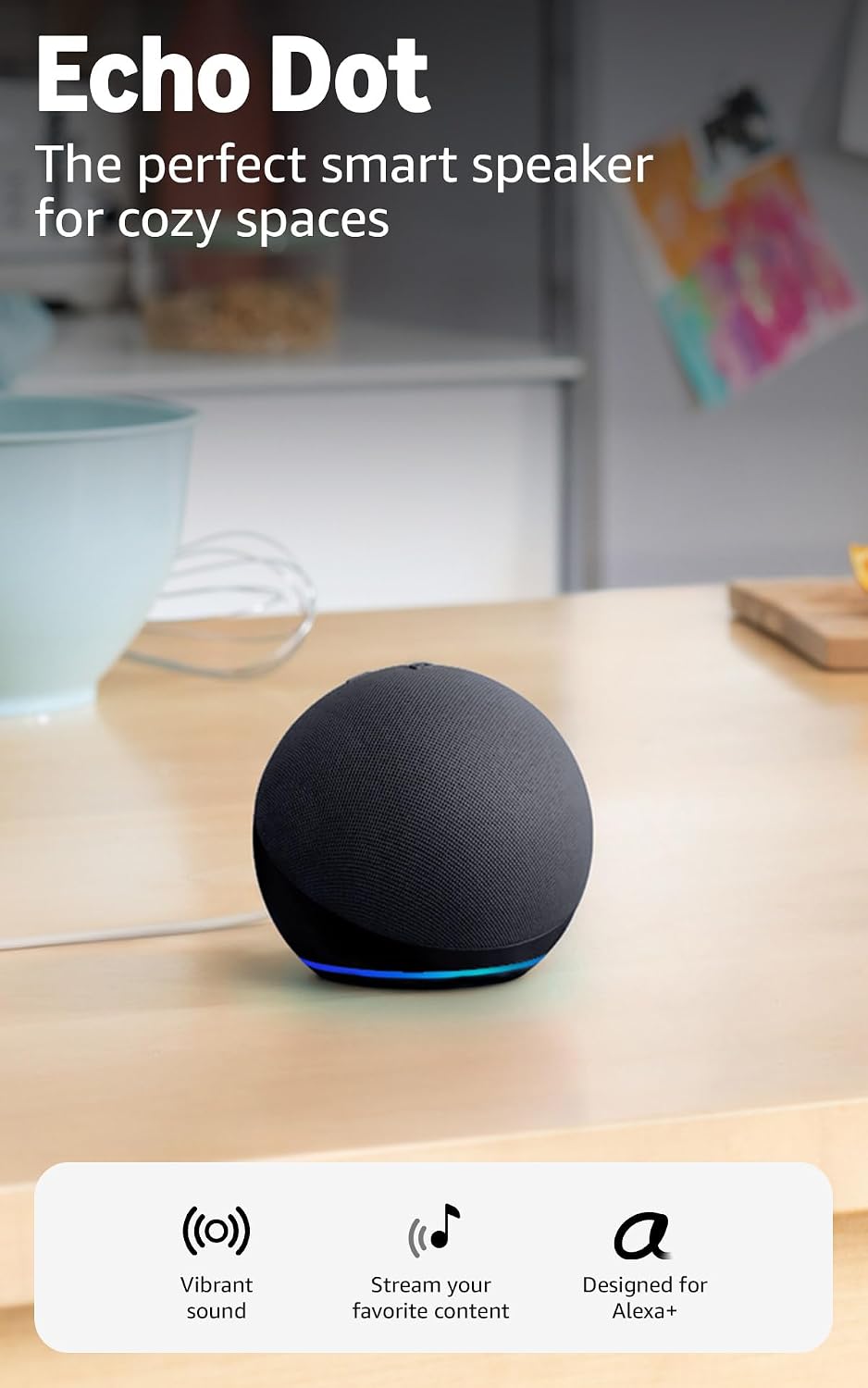
Echo Dot ($39.99, often under $35 in multi-packs) isn’t a hub in the radio sense — it has no Zigbee. But for under $50 of Wi-Fi gear, it’s the “hub” that matters: Alexa Routines glue Kasa plugs, Govee bulbs, and Wyze cams together, and voice control means nobody has to open an app. This is the correct answer for most renters and most first homes. Cons: every Wi-Fi device eats router bandwidth and lives on a manufacturer’s cloud — if the internet drops, routines drop with it — and Alexa automations only reach devices with Alexa skills (most big brands, not all small ones).
My take: under 15 devices and no Zigbee gear? Stop here. This is the $40 “hub” most homes actually need.
Setup 2: Echo Hub — The Wall Panel, Amazon-First Edition
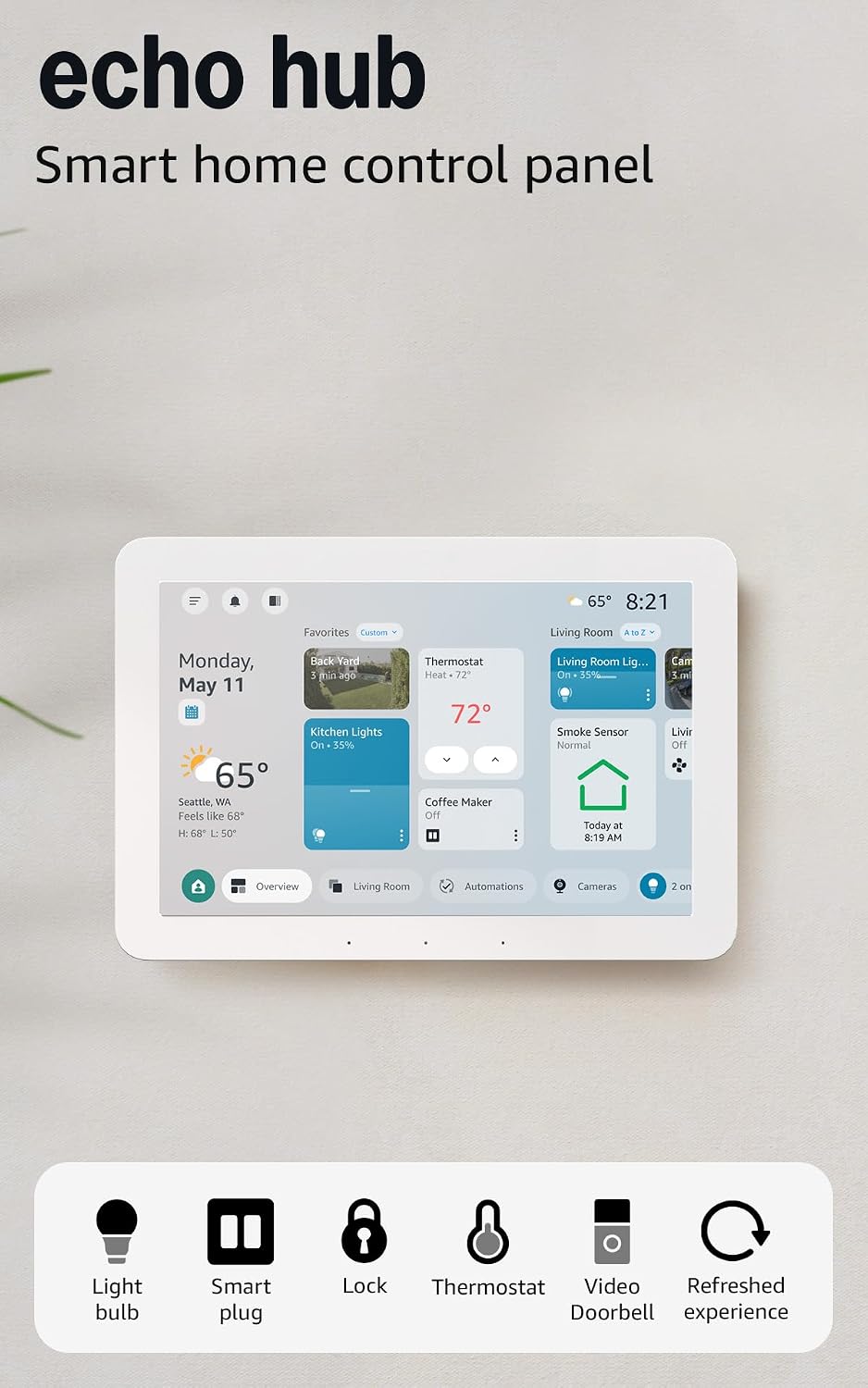
Amazon Echo Hub ($99.99 for the current model; watch for dips under $80) is the kitchen-wall version of Setup 1 — an 8-inch panel with Zigbee and Thread radios that also acts as a Matter controller. Cameras, doorbells, and lights all surface on one dashboard, and it answers the “where’s the button” question for everyone in the house who won’t use an app. Cons: it’s a controller, not an engine — heavy automations still run through Alexa’s cloud — and the wall-mount version wants wiring you may not have (the stand needs a counter outlet). If you don’t already have 3+ Alexa devices, this is buying a dashboard for a village of one.
My take: the wall panel for an Echo household that already has cameras; it’s furniture, not infrastructure — skip it in a one-bedroom.
Setup 3: Philips Hue Bridge — The One Hub Worth Owning for Lighting
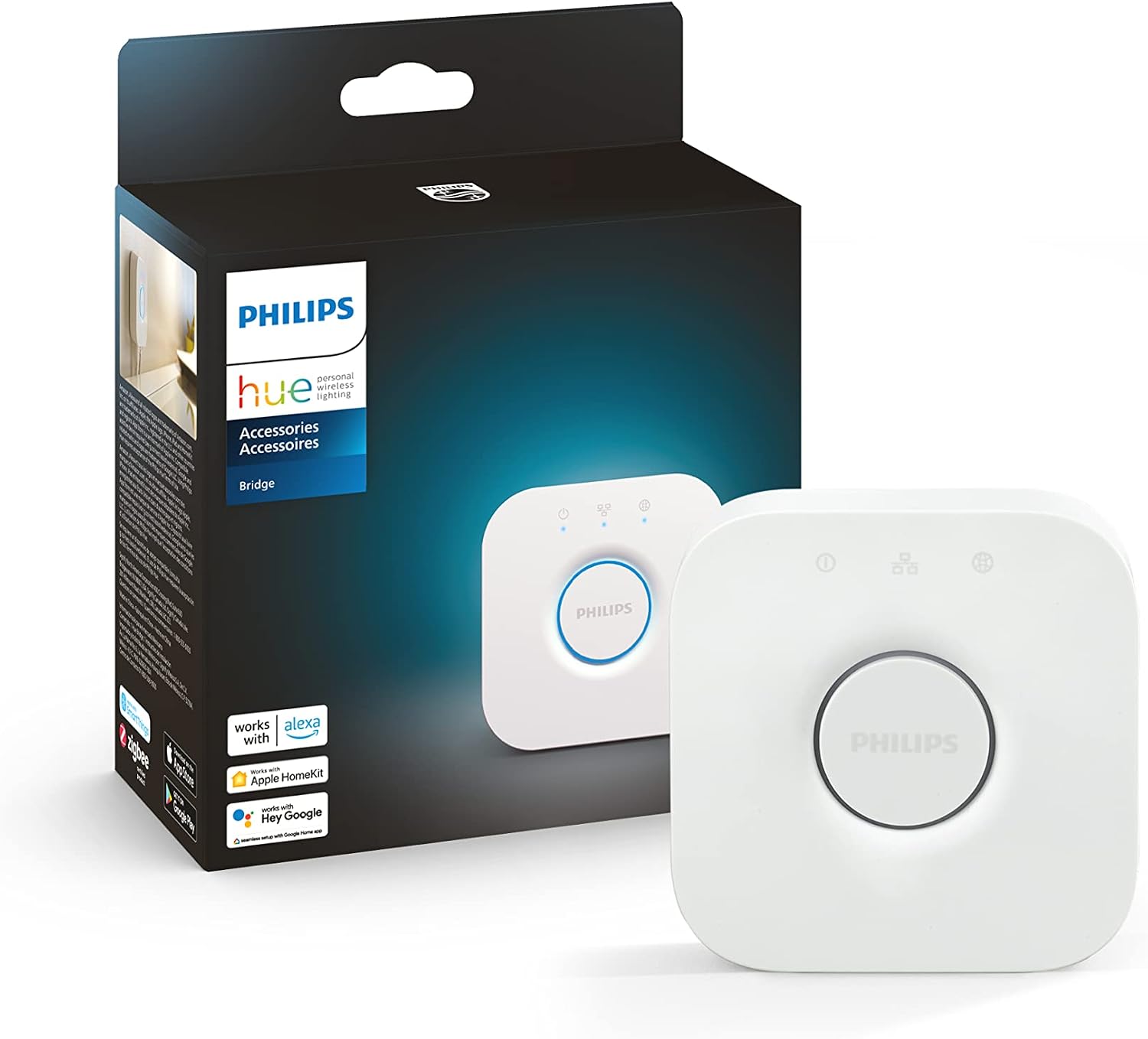
Philips Hue Bridge ($55.99, under its $69.99 list) is the exception that earns its box: Hue bulbs run on Zigbee with instant response, scenes and schedules keep working when the internet dies, and the ecosystem’s color control is still the best in the business. If you have more than about six Hue bulbs, the bridge is effectively mandatory. Cons: it’s locked to lighting, it’s one more box, and at $55.99 the math only works for the Hue-invested — the bridge alone buys two smart plugs and a bulb from the budget aisle.
My take: the one ecosystem hub worth its price — if you’re Hue, you already know; if you’re not, don’t start for the bridge.
Setup 4: Aqara Hub M3 — The Power-User Hub
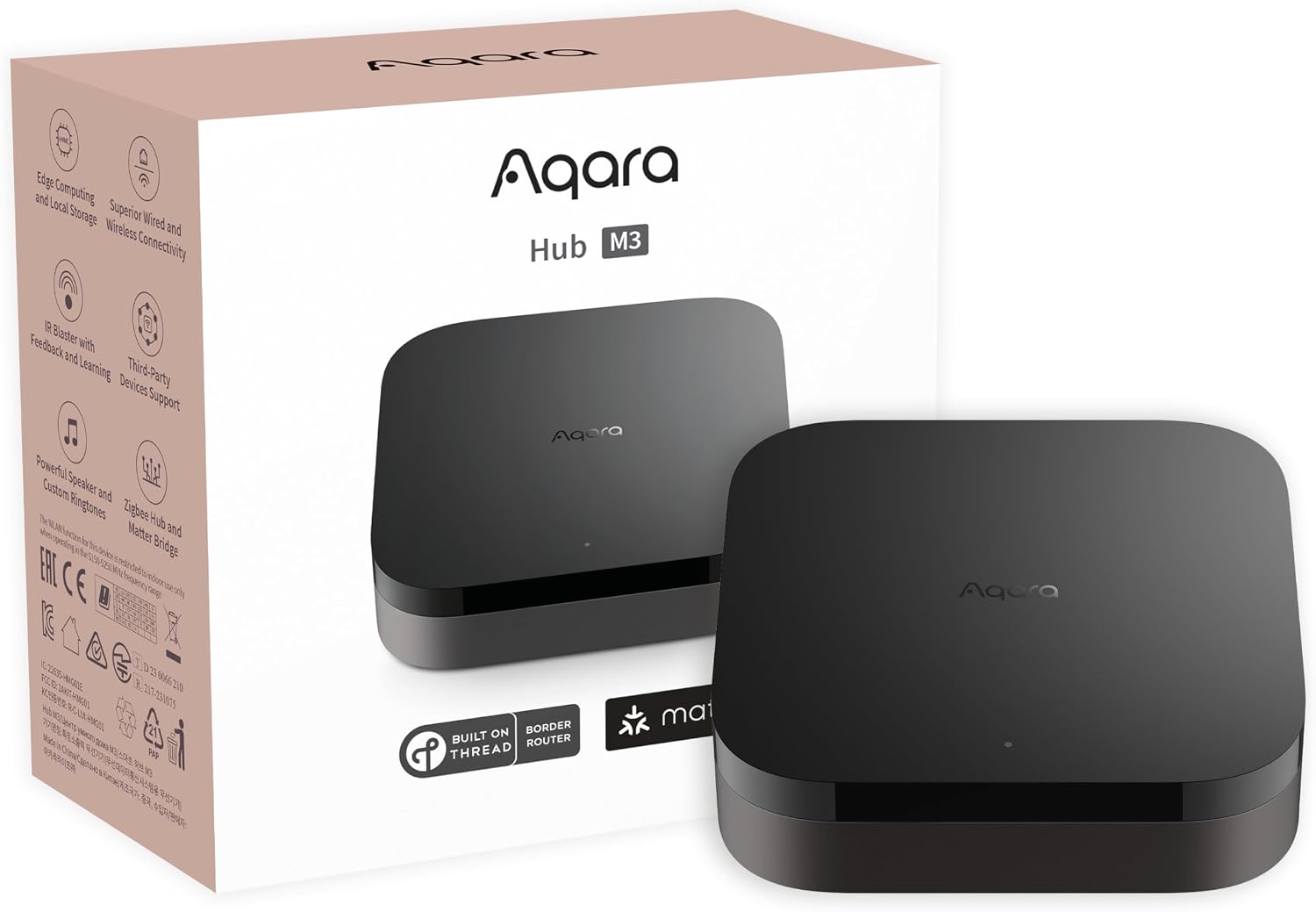
Aqara Hub M3 ($159.99) is the hub you buy when you know what a Matter controller and a Thread border router are: Zigbee, Thread, and IR in one box, local automation that survives internet outages, HomeKit and Home Assistant support, and a $159.99 price that undercuts the discontinued SmartThings hub’s $398 scalper pricing by a mile. Cons: the app is dense, automations beyond the basics expect a technical user, and it’s overkill for anyone who can’t name a reason they’d need one. It’s also the only hub here whose setup assumes you’ll read the manual.
My take: the enthusiast’s answer and the best value in real hubs; buy it because you know you need it, never “to be safe.”
Setup 5: Hubitat Elevation C-8 Pro — The Local-Control Maximalist
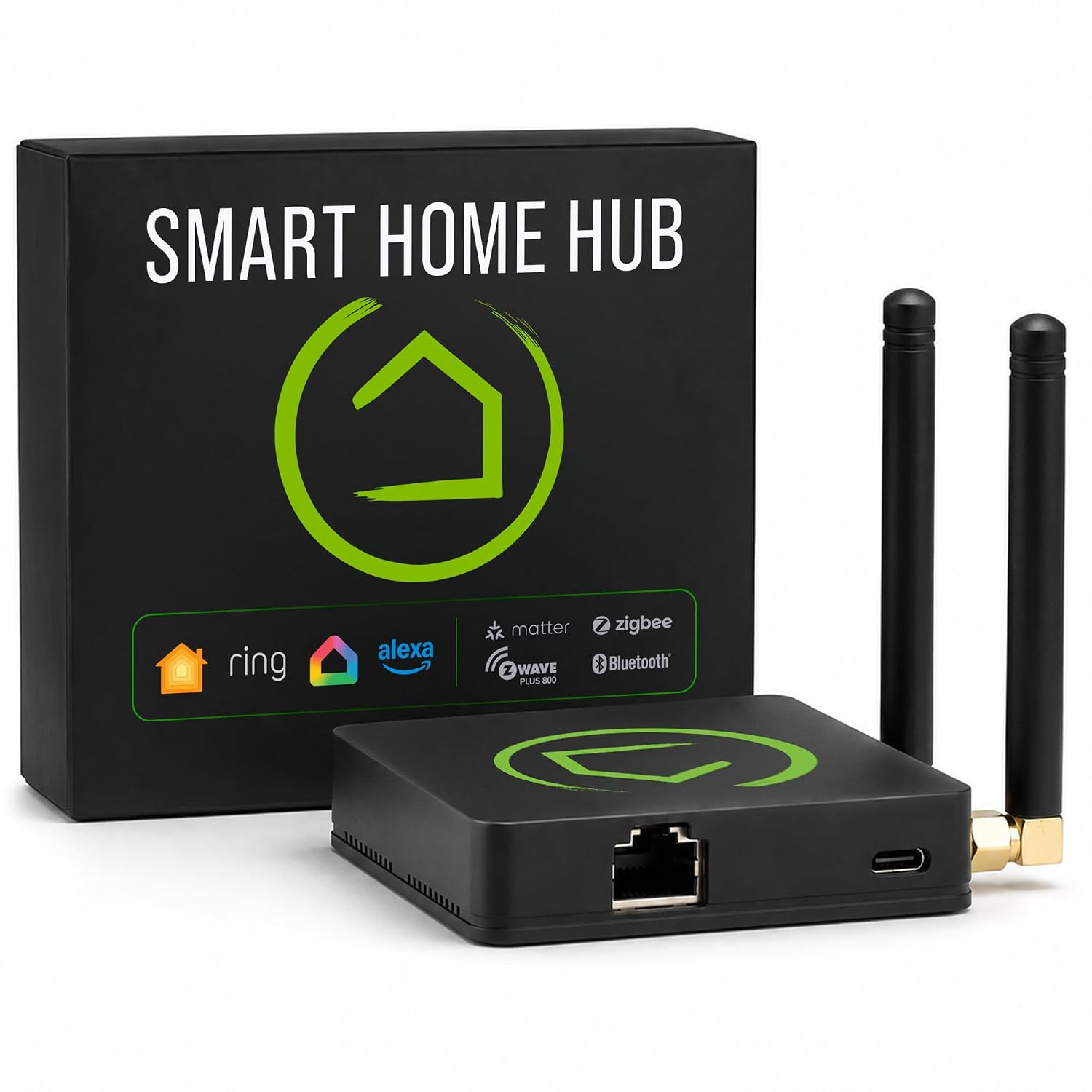
Hubitat Elevation C-8 Pro ($194.95) is the anti-cloud hub: every automation runs locally on the box, Z-Wave and Zigbee radios included, no subscription, no internet dependency at all. It’s what privacy-minded and reliability-minded homes graduate to after a cloud outage ruins a week. Cons: the UI feels like a router admin page, community drivers replace polish, and the price is hub-only — every Zigbee/Z-Wave sensor you add is on top. For most homes it’s a professional tool in a hobbyist market.
My take: the last hub you’ll ever buy if “local control” is your requirement; a very expensive toy if it isn’t.
Budget note: hub and smart-home gear hits its lowest prices around Prime events — a free 30-day Prime trial stacks with member pricing if you time a big order.
What Actually Saves Money (And What Doesn’t)
Zigbee sensors are the cheap hardware. A $17 Zigbee contact sensor costs about half its Wi-Fi twin and doesn’t clog the router — the catch is something must speak Zigbee. That’s the real reason hubs exist: cheap endpoints, one radio.
Count devices before buying radios. Under 15 devices: a Dot and Wi-Fi gear wins on price and simplicity. Over 30, or heavy sensor use: a real hub pays for itself in sensor savings within a year.
Cloud dependence is a subscription you already paid for. Wi-Fi-only setups break when the internet breaks; local hubs don’t. Weigh how much “the lights still work during an outage” is worth to you — that’s the actual product you’re buying.
What doesn’t save anything: buying a hub “for the future.” The future ships cheaper hubs; today’s $160 box is a paperweight if your needs change.
The Savings Math
Typical starter home: 4 smart plugs ($29.99 4-pack) + 2 bulbs + an Echo Dot = about $110, hub-free, and it does voice control, schedules, and away-routines. The same house hub-first: $100 hub + $60 of sensors + the Echo you’ll buy anyway = $160+ before a single plug. The hub house gets better sensor economics from device #7 and local reliability from day one. My rule: start hub-free; buy exactly one hub when you can name the device that requires it — a Hue bulb (bridge), a Zigbee sensor network (Aqara), or “no cloud, ever” (Hubitat).
Keep reading: the smart plugs starter plan builds the hub-free stack step by step, and the privacy settings guide shows what a hub actually changes about who sees what.
CleverHomeClub is reader-supported. As an Amazon Associate, I earn from qualifying purchases. That means if you buy through one of the links above, I get a small commission at no extra cost to you. I only recommend devices I’d run in my own home.
🏠 Get Your Free Smart Home Setup Checklist
Join our newsletter and get this free printable plus weekly tips.
Frequently Asked Questions
Do I need a hub for a smart home?
Most homes under about 15 Wi-Fi devices do not. A smart speaker like an Echo Dot plus Wi-Fi plugs, bulbs, and cameras covers voice control, schedules, and routines with no extra box.
What does a smart home hub actually do?
It speaks Zigbee, Z-Wave, or Thread radio protocols that Wi-Fi devices cannot, runs automations locally without depending on the internet, and links ecosystems like Hue, Aqara, and Home Assistant together.
Is the Philips Hue Bridge worth buying?
If you run more than about six Hue bulbs, yes - the bridge unlocks instant response, scene control, and schedules that keep working when the internet is down. For a couple of bulbs, skip it.
Which hub is best if the internet goes out?
Hubitat Elevation runs all automations locally, so lights, sensors, and alerts keep functioning with zero internet. The Aqara Hub M3 also runs many automations locally at a lower price.
Are Zigbee sensors cheaper than Wi-Fi sensors?
Generally yes - Zigbee contact and motion sensors often cost about half their Wi-Fi equivalents and do not consume router bandwidth, but they require a hub or bridge that speaks Zigbee.
Price Check
Prices verified via our product tracker. Updated Jan 1.
| Amazon Echo Dot (newest model) Smart Speaker with Alexa | $39.99 | 4.7★ (200,120) |
| Amazon Echo Hub 8-inch Smart Home Control Panel | $99.99 | 3.9★ (1,815) |
| Philips Hue Bridge Smart Lighting Hub | $55.99 | 4.5★ (11,417) |
| Aqara Smart Home Hub M3, Matter Controller and Thread Bord | $159.99 | 4.1★ (1,679) |
| Hubitat Elevation C-8 Pro Smart Home Hub - Z-Wave Zigbee M | $194.95 | 3.8★ (374) |
As an Amazon Associate we earn from qualifying purchases.