This article contains affiliate links. We may earn a commission from qualifying purchases.
Some content on this site is AI-assisted and reviewed by our editorial team.
I spent months tripping over shoes in a dark closet, pulling shirts I forgot I owned, and leaving the house wondering if the iron was still on. A handful of cheap smart devices fixed all of that in about half an hour.
You do not need a 2,000-dollar smart wardrobe system. You need roughly 150 dollars worth of gear and 30 minutes of setup. These are the six devices that made the biggest difference in mine.
1. Motion-Activated LED Strip Lights: See What You Own
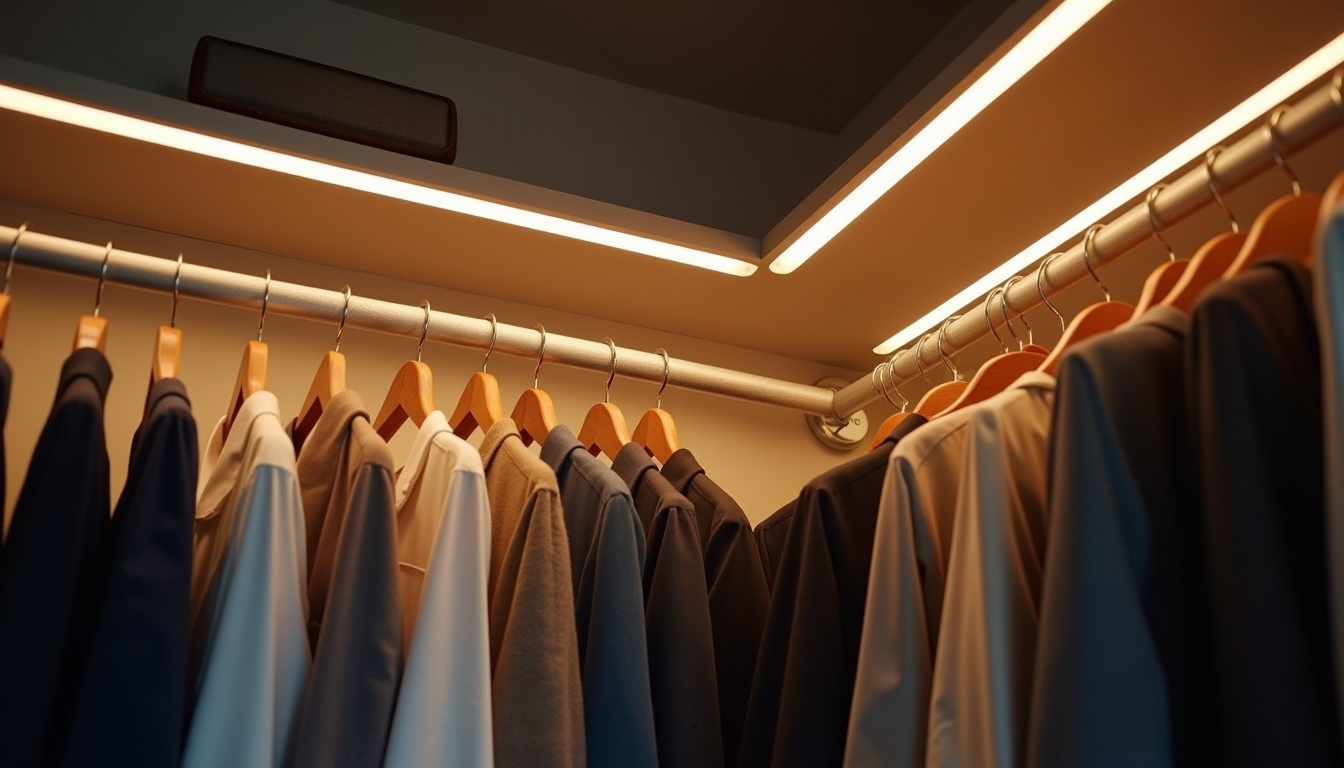
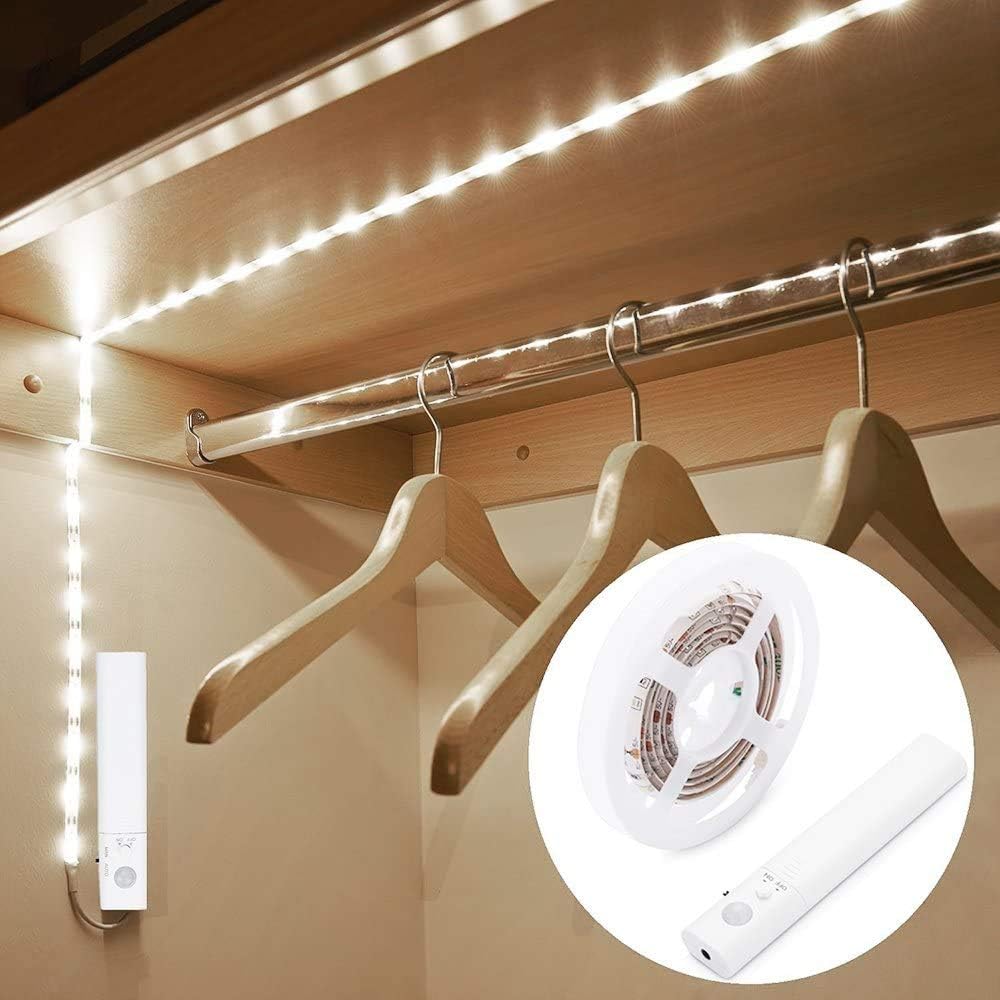
The biggest closet problem is not organization. It is visibility. Most closets have a single overhead bulb that casts shadows right where you need to see colors. A motion-activated LED strip fixes that in about 15 minutes.
The Govee LED Strip Lights can be cut to length and mounted along the inside top of your closet frame. Pair them with a motion sensor and they turn on when you open the door, off when you close it. I found three shirts I forgot I owned the first week after installing these.
Battery-powered motion sensors mean no wiring. Just stick one inside the door frame and you are done. The whole setup costs about 35 dollars.
2. Smart Plug for Your Iron or Garment Steamer
If you have ever left the house wondering whether you left the iron on, this one is for you. A smart plug on the outlet where your iron or garment steamer lives means you can check from your phone and turn it off remotely.
The Amazon Smart Plug is 25 dollars and works with Alexa. Set up a routine: “When I say ‘leaving for work,’ turn off the closet plug.” You can also set a timer so the plug cuts power after 30 minutes. If the iron is still on at that point, it does not matter because the plug is off.
We rated this plug in our best smart plugs guide and it remains the simplest option for a single appliance. If you want energy monitoring too, the TP-Link Kasa Smart Plug Mini tracks wattage and costs about the same.
3. Door Contact Sensor: Learn Your Habits
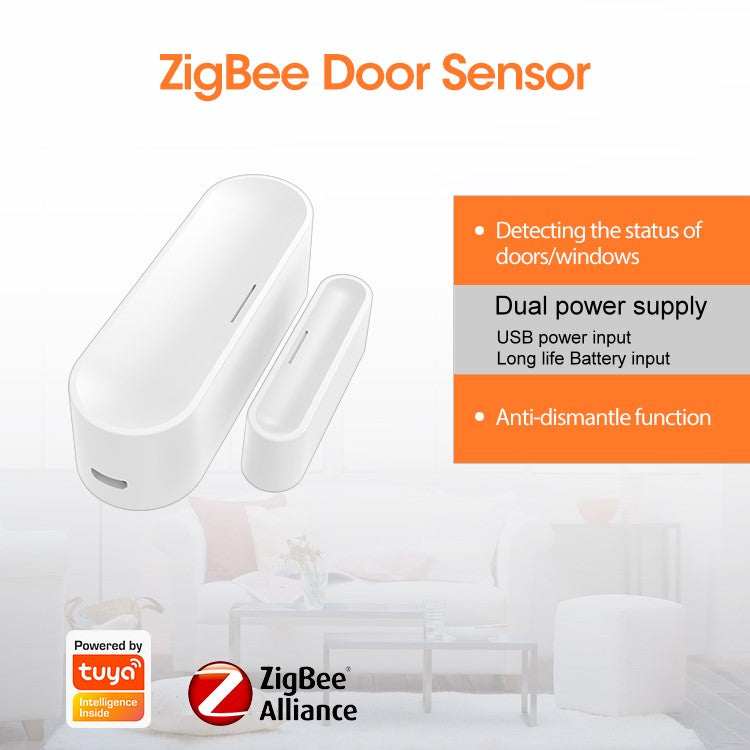
A door sensor on your closet tracks open and close events. After a week, the data starts telling you things. I noticed I was opening my closet every morning but only grabbing clothes from the left side, which meant the right side was wasted space. I also opened it three times a day just to grab a jacket, so I moved my jackets to a hook by the door.
The Aqara Door and Window Sensor is 20 dollars, runs on a coin battery for two years, and connects to SmartThings, Home Assistant, or Apple HomeKit. Set up an automation: “If closet door opens after sunset, turn on the closet light for 5 minutes.” No more leaving the closet light on all day.
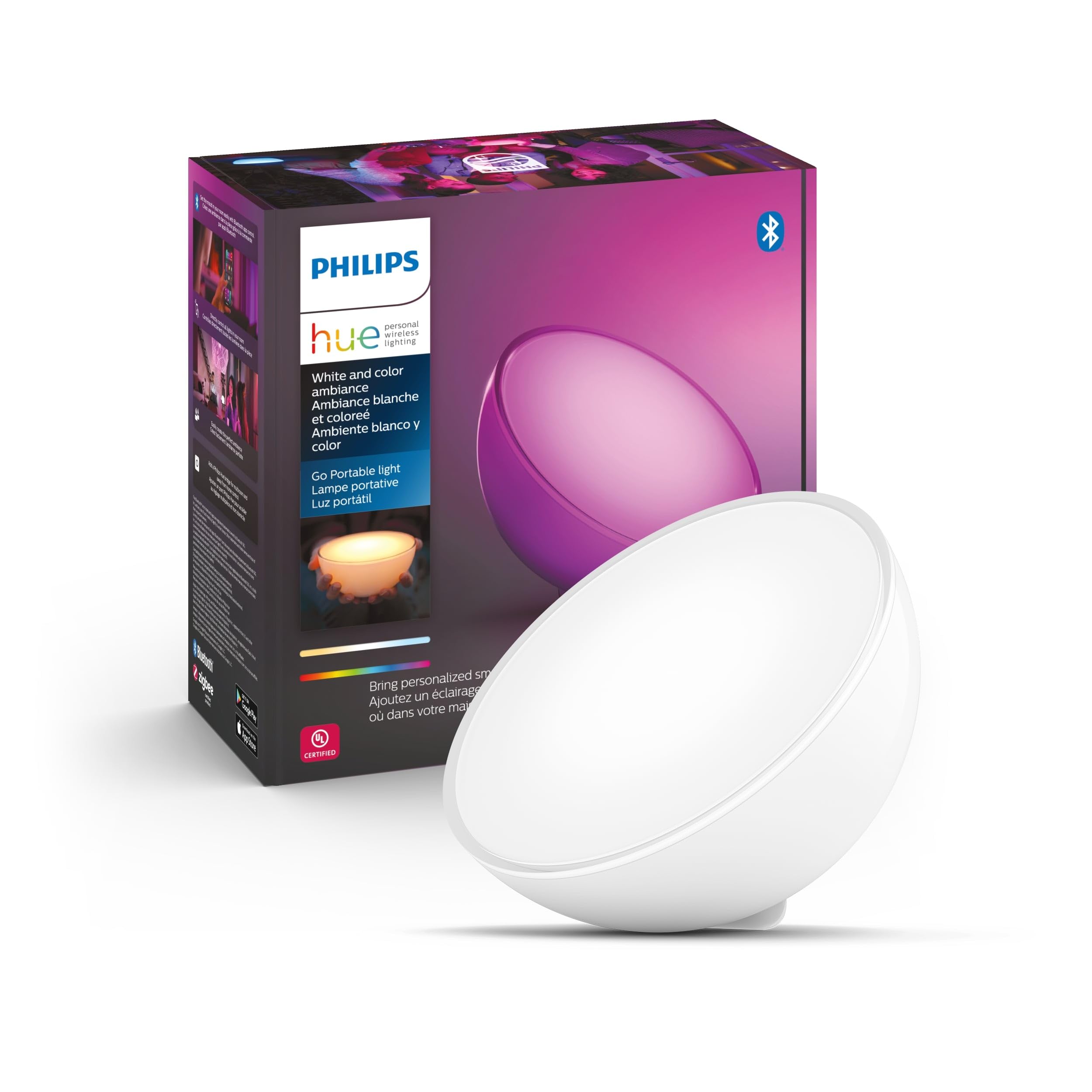
4. Philips Hue Go: Adjustable Lighting So You See True Colors
Overhead bulbs render colors differently than daylight. That blue shirt might look black under a warm bulb, and you will not know until you walk outside. A small smart light with adjustable color temperature fixes this.
The Philips Hue Go lets you dial in color temperature from warm 2200K to cool 6500K. Set it to 5000K (daylight equivalent) when picking clothes and you see colors the way they look outside. It also works as a wake-up light. Set it to gradually brighten 15 minutes before your alarm, and it doubles as a sunrise alarm clock on your closet shelf.
If you already have a smart home energy monitor, the Hue Go draws only 6 watts at full brightness, so it will not move the needle on your power bill.
5. Echo Dot: Ask Alexa What Weather to Dress For
An Echo Dot in or near your closet is one of those things you do not know you need until you have one. The Echo Dot (5th Gen) gives you hands-free access to weather, your calendar, and outfit logic while your hands are full of hangers.
A few ways I use it: “Alexa, what is the weather today?” saves a jacket decision before you commit to an outfit. “Alexa, add navy blazer to my shopping list” catches a replacement need the moment you notice a stain. A 10-minute timer keeps you on schedule if you tend to linger. And a custom routine called “getting dressed” turns on the closet light, reads your calendar, and plays a morning playlist.
The 5th Gen Dot has a built-in temperature sensor, so it can also warn you if your closet gets too hot or humid, which is useful if you store leather or delicate fabrics.
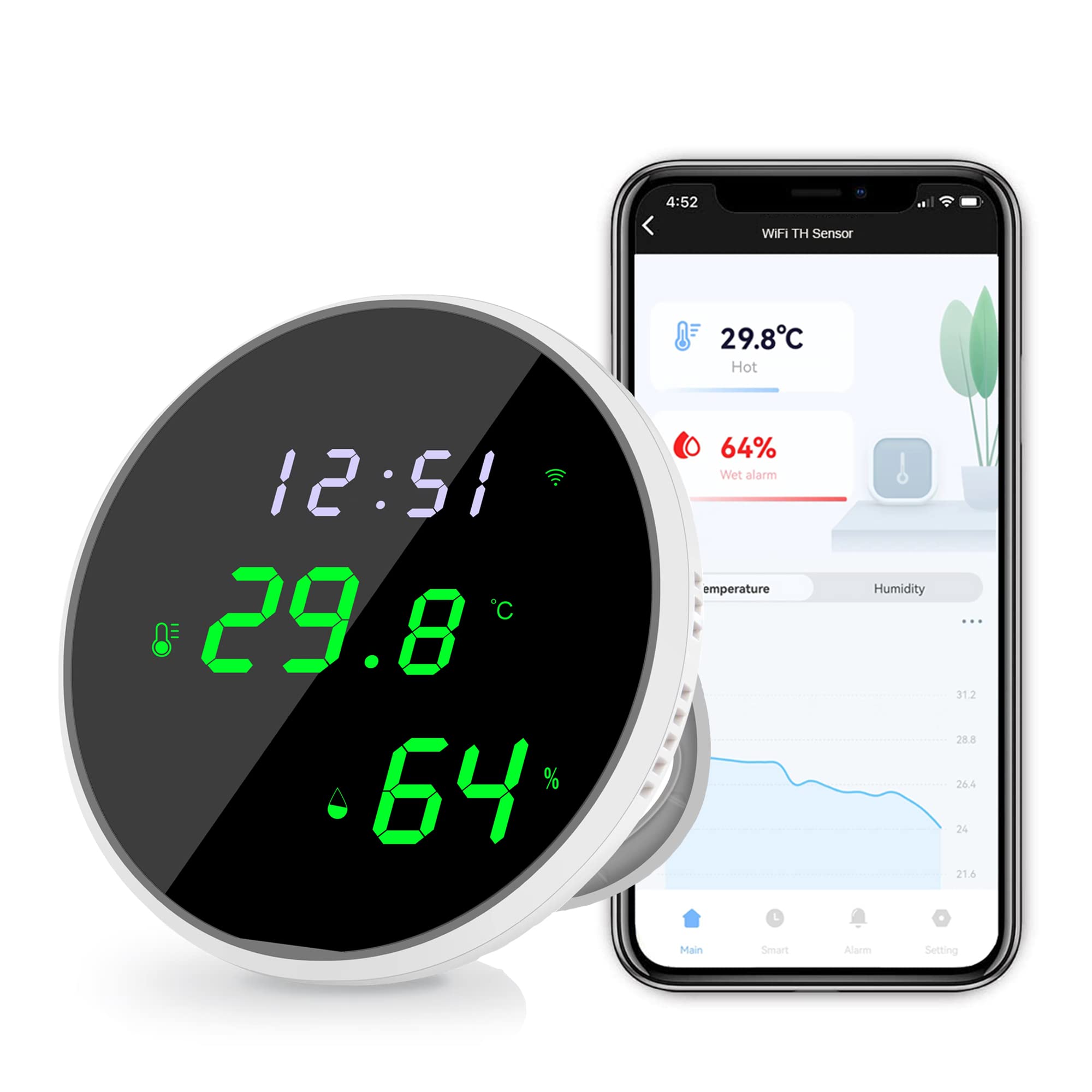
6. Humidity Sensor: Protect Leather, Silk, and Wool
Closets are small enclosed spaces, and humidity builds up fast, especially if your closet is near a bathroom. High humidity damages leather shoes, causes silk to yellow, and encourages mold on wool. A humidity sensor costs 20 dollars and prevents hundreds in damage.
Pair the Aqara door sensor with a smart dehumidifier plug setup: if humidity in the closet exceeds 60 percent, turn on a small dehumidifier or fan. If it drops below 30 percent (too dry damages leather), turn it off. This is the same logic we covered in our smart home humidity control guide, just applied to a smaller space.
The Morning Routine That Ties It All Together
Here is the automation setup that makes all six devices work as a system:
- 7:00 AM alarm. Echo Dot starts your morning routine: turns on closet light (Hue Go at 5000K), turns on LED strip, reads today’s weather and calendar events.
- Closet door opens. Door sensor triggers LED strip lights to full brightness, starts a 5-minute timer.
- You pick clothes. Hue Go at daylight temperature shows true colors. Echo Dot tells you the high temperature for the day.
- Closet door closes. Lights turn off automatically. If iron was used (smart plug shows power draw), a reminder fires in 30 minutes: “Did you turn off the iron?” If no response, smart plug auto-shuts off.
- Humidity check. If closet humidity is above 60 percent when door closes, dehumidifier turns on for 1 hour.
Total cost: about 180 dollars if you already have a smart speaker, 230 dollars if you are starting from scratch.
What I Would Buy First
Motion-activated lighting, a door sensor, and a smart plug for your iron cover most of what a smart closet needs to do. Add a color-accurate light and a humidity sensor if you store delicate fabrics, and you have a closet that helps you get dressed faster, protects your clothes, and never leaves you wondering if the iron is still on. The whole setup costs less than one fancy pair of shoes.
Skip the smart wardrobe apps that photograph your clothes and suggest outfits. They are slow, require you to photograph every item you own, and the suggestions are usually useless. A well-lit closet and a weather report from Alexa does the same job in zero extra time. Same goes for motorized closet rods: expensive, noisy, and solving a problem that a step stool already solves for free.
This post contains affiliate links. If you buy through them, we may earn a commission at no extra cost to you.
🏠 Get Your Free Smart Home Setup Checklist
Join our newsletter and get this free printable plus weekly tips.