This article contains affiliate links. We may earn a commission from qualifying purchases.
Some content on this site is AI-assisted and reviewed by our editorial team.
That “70% OFF” strikethrough on the smart home deal you found this morning is marketing, not history. Most of it is real — Black Friday week genuinely has the year’s best prices on plugs, speakers, and kitchen tech — but every carousel hides a handful of prices that were never actually higher. The way to tell them apart is not intuition; it is five checks that take about ninety seconds per product. Here they are, run against devices we already cover, so you can see exactly what a fake deal looks like versus a real one.
I ran all five checks on this week’s most-advertised smart home gear this morning (Last-checked: Nov 25). The pattern is consistent and fixable.
Check 1: The list-price lie — worked example, Instant Pot
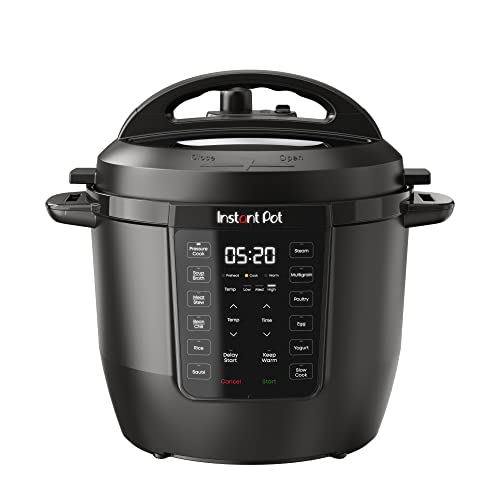
The Instant Pot Rio 6 Qt is the case that proves the method. Its tracked price floor this month is $59.99 — a real, documented low that shows up repeatedly in the price trackers. So when a listing shouts “70% off” with a strikethrough at some inflated number, you ignore the strike and ask one question: is today’s price at or below the floor? If the pot lists above $59.99, the strikethrough is the lie, not the deal. The floor is the only number that matters.
My take: The Instant Pot aisle is safe to buy any day the Duo-class 6-quart sits at $59.99 — that is the floor, and it does not meaningfully drop further.
Check 2: The generation shuffle — worked example, Echo Dot
“Echo Dot on sale” means nothing until you check which Dot. The 5th-gen Dot’s Black Friday floor sits around $32 this year — a genuine deal. But the newer 6th-gen lists at $99.99 with a built-in smart home hub, and sale stickers get slapped on both. A “$34.99 Echo Dot, save $15” on the 5th gen is real; the same sticker language on a 6th-gen listing at $79 is not a discount from anything you would have paid. Model number first, price second — always.
My take: The 5th gen at about $32 is the buy; ignore the 6th-gen “deals” unless they drop under $60.
Check 3: The bundle swap — worked example, Kasa smart plugs
The Kasa Smart Plug Mini 4-pack (EP25) is the every-price anchor of the smart home world: it has hit $3–4 per plug in past Black Friday weeks. That history gives you a yardstick no sticker can fake. If the 4-pack sits above $20 today, you are not looking at a deal — you are looking at a bundle (often with an extension cord or hub tossed in) repriced to look like one. Compare the pack, not the bundle.
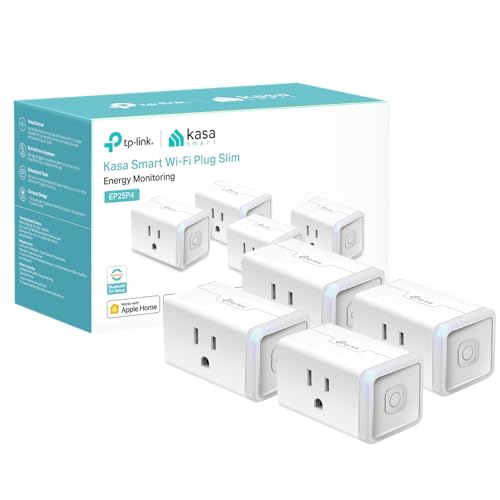
My take: Hold out for the 4-pack near $16 or below; anything above $20 is bundle math, not plug math.
Check 4: The hold-to-Friday router — worked example, eero
The eero 6+ mesh system (3-pack) is the “real deals still come” example: routers bottom out Friday through Cyber Monday, not in Early Access week. Today’s price is fine; Friday’s price class on the 3-pack historically sits below it. Unlike the fake-discount gadgets, this one is worth the wait — patience here is not missing the deal, it is catching it.

My take: Put the router in the cart and let it sit until Friday morning — mesh is a Friday-to-Monday category.
Check 5: The subscription trap — worked example, Ring Alarm
The Ring Alarm 5-piece kit (2nd gen) hardware discount this week is real. But a security kit is not a one-time purchase the way a smart plug is — it is a kit plus a monitoring plan, and the BF price only counts the kit. Price the first year with the plan before you call any security hardware a deal. If the subscription math works for you, the hardware cut makes it better; if it does not, you bought a discounted doorstop.
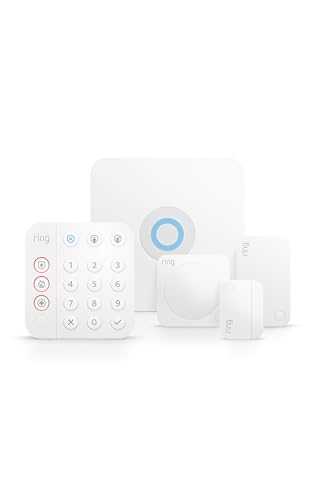
My take: A genuine hardware deal for households that already wanted Ring monitoring; a subscription trojan horse for everyone else.
Deal-week tip: Prices move hourly through Cyber Monday. Start your Amazon trip from our Shop page — same prices, and it supports the site at no extra cost. And a free 30-day Prime trial makes sure the delivery shows up before the weekend installs.
Is the smart home Black Friday deal in front of you real?
Run the five checks: does the price match its tracked floor, is it the right generation, is it the bare product or a repriced bundle, does Friday historically beat it, and what does year one cost with any subscription? If it passes all five, buy — if it fails the first one, the strikethrough is decoration.
Beginner Mistakes on Black Friday smart home deals
Trusting the strikethrough: The “list price” on a sale sticker is set by the seller. The tracked floor is the only honest anchor.
Buying the bundle: Bundles are how sellers re-inflate a floored price. Unit-price the actual device you wanted.
Ignoring the generation: A sale on last-gen gear is fine if you know it is last-gen; it is a trap if the sticker hides it.
Forgetting the subscription: Ring, Nest, Wyze, and others are hardware-plus-plan products. Year-one cost is the real price.
Panic-buying Tuesday: Early Access has real deals on some categories (kitchen tech, plugs) and fake urgency on others (routers, big-ticket). Know which is which before you click.
The savings math
- Instant Pot at the $59.99 floor: saves about $20 over the normal Duo-class price — buy on sight at the floor.
- Echo Dot 5th gen at ~$32: roughly half its $65 list — one of the genuinely best device deals of the week.
- Kasa 4-pack at the $16 floor: $4 a plug; anything else is paying the bundle tax.
- Waiting on eero until Friday: historically another 15–25% below Early Access — the one place patience pays this week.
Keep reading: our eero Early Access breakdown has the router numbers in detail, and the guest-room Echo Dot setup shows what to do with the speaker after it arrives.
CleverHomeClub is reader-supported. As an Amazon Associate, I earn from qualifying purchases. That means if you buy through one of the links above, I get a small commission at no extra cost to you. I only recommend devices I’d run in my own home.
🏠 Get Your Free Smart Home Setup Checklist
Join our newsletter and get this free printable plus weekly tips.
Frequently Asked Questions
When do smart home Black Friday deals actually start?
Amazon's Early Access week is live now, and kitchen tech plus smart plugs are already at their floors — the Instant Pot at $59.99 and Kasa 4-packs near $16 are real today. Routers and big-ticket gear drop Friday through Cyber Monday.
How can I tell if a Black Friday deal is fake?
Compare today's price to the model's tracked price floor, not the strikethrough. If the sale price sits within about 5% of the normal street price, the discount is decoration — check price history, generation, and bundle contents before buying.
Do Amazon devices get cheaper on Cyber Monday than Black Friday?
Echo Dots and Fire TV sticks typically hit the same floor both days, so buy when you see the 5th-gen Dot around $32. Mesh routers are the exception — Cyber Monday often undercuts Black Friday by another 15–25%.
Liked this guide? Get the next one in your inbox — the smart home starter checklist is free too.
✓ You're in — check your inbox.
No spam. Unsubscribe anytime. We never share your email.
Price Check
Prices verified via our product tracker. Updated Oct 31.
| Kasa Smart Plug Mini 15A, EP25P4, Apple HomeKit Supported | $44.99 | 4.2★ (5,089) |
| Amazon eero 6+ dual-band mesh Wi-Fi 6 system, with built-i | $299.99 | 4.4★ (10,606) |
| Ring Alarm 5-piece kit (2nd Gen) – home security system | $279.98 | 4.7★ (5,415) |
As an Amazon Associate we earn from qualifying purchases.