This article contains affiliate links. We may earn a commission from qualifying purchases.
Some content on this site is AI-assisted and reviewed by our editorial team.
The office above our garage has never agreed with the thermostat downstairs: by January it reads 58 degrees at 6 PM while the hallway says 68. The quoted fix was a $250 smart thermostat plus an electrician visit to run a wire up two floors — call it $400 of hardware and labor to heat one room. The actual fix was $30 of gear that took fifteen minutes to set up: a Wi-Fi thermometer, a smart plug, and a trigger that fires the plug the moment the sensor reads below setpoint. Three hours of heater runtime a night instead of eight, and the room holds 65.

Here is the full build, the standalone alternative, and the amperage math that keeps it from being a fire-marshall paragraph.
Price check (live listings, Nov 2026): Govee H5179 thermometer about $13 · Inkbird ITC-308 about $36 · Kasa EP25 4-pack about $32 (about $8 a plug) · Amazon Basics 1500W ceramic heater about $30. These are commodity items — Black Friday cuts are real but shallow, so a few dollars each; the deal-alert card on our Shop page flags anything deeper.
Govee Wi-Fi Thermometer Hygrometer H5179 — The 13-Dollar Trigger
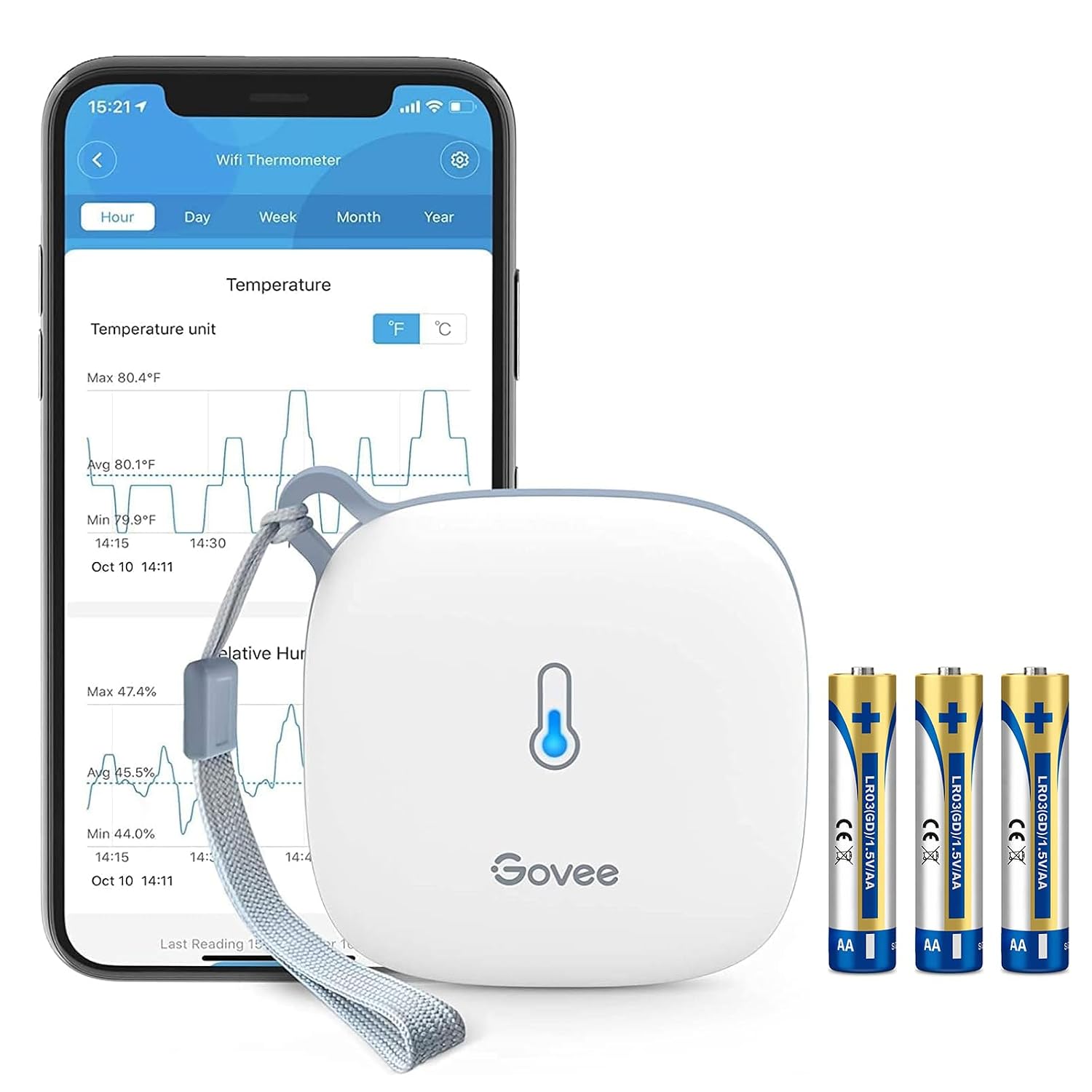
The Govee Wi-Fi Thermometer Hygrometer H5179 is the sensor half of the build. It reports the cold room’s temperature to the Govee app from anywhere, and — the part that matters — Govee’s app supports temperature-triggered automation: below your setpoint, fire the plug; above it, cut it. Set it up once and the cold room heats itself. The honest con, and it is a real one: the trigger only speaks to Govee plugs natively. Pairing it with another brand means an Alexa routine workaround, which works but is clunkier and can lag by a minute.
My take: the cheapest way to give a cold room a thermostat brain — just plan to buy the matching Govee plug, or accept the workaround.
Inkbird ITC-308 Temperature Controller — The Standalone Controller
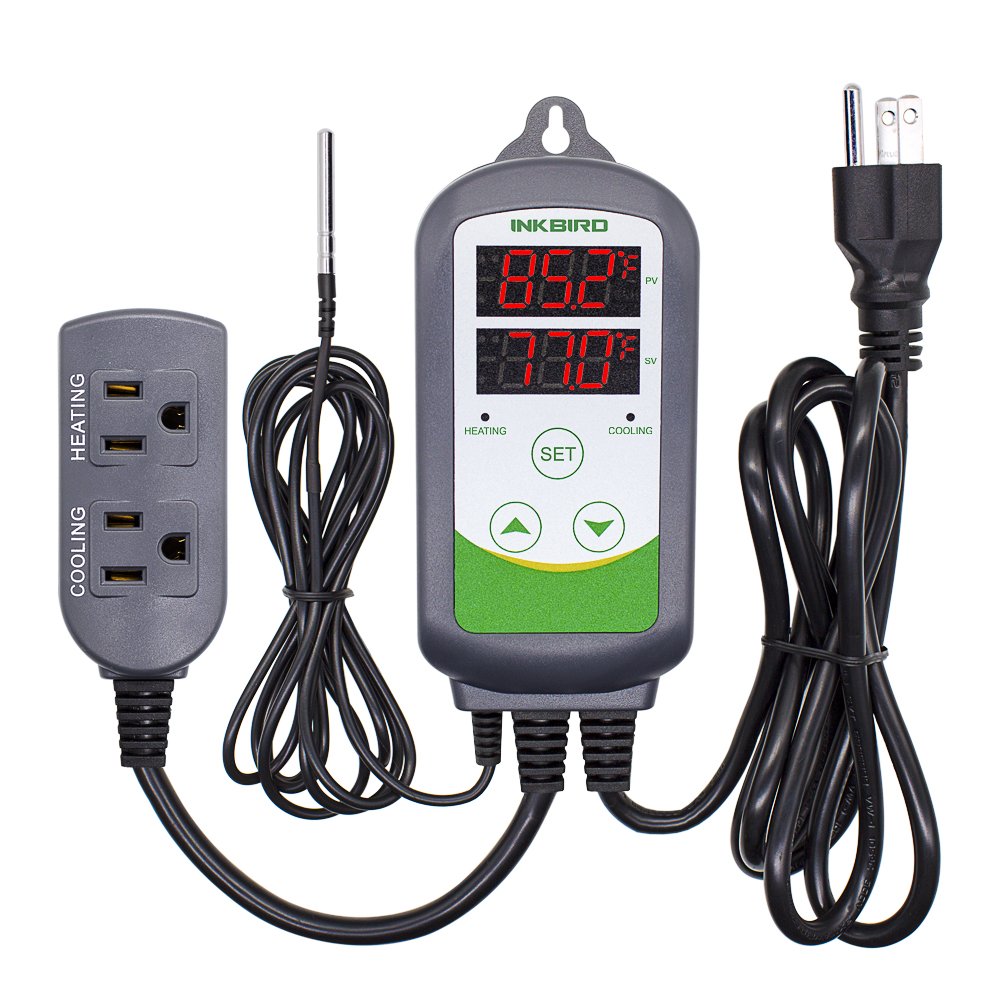
The Inkbird ITC-308 Temperature Controller is the no-app answer: a probe reads the room, and the controller’s outlet follows it, no Wi-Fi, no hub, no account, no cloud dependency when the internet hiccups. You set the band (on at 63, off at 66) with physical buttons and it just runs. The honest cons: it looks like fishtank gear because it is fishtank gear, and the probe wire dictates placement near the heater.
My take: the pick for garages, workshops, and anyone who wants heating automation that survives a router reboot.
Kasa Smart Plug Mini 4-Pack (EP25) — The Schedule Lane
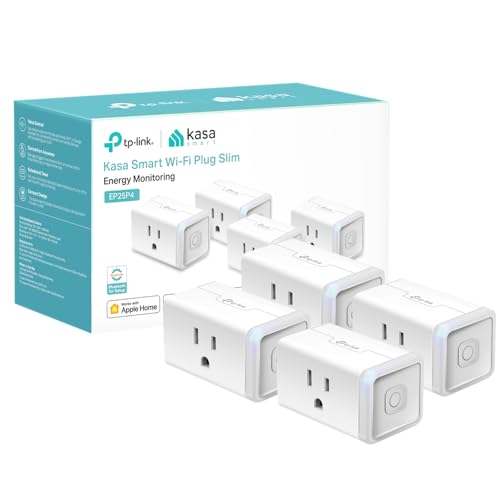
The Kasa Smart Plug Mini 4-Pack (EP25) covers the simpler version of the problem: time-of-day schedules and an away-mode kill switch, at about eight dollars a plug. If the cold room is only cold on a predictable schedule — evenings, weekends — a Kasa schedule on the heater does 80 percent of the sensor build for half the setup effort. The honest con: Kasa makes no temperature sensor, so schedules are time-based only; an unexpected cold snap outside the schedule goes unnoticed.
My take: the right tool when the problem is a routine, not a temperature — and the four-pack leaves three plugs for other rooms, which is how smart-home sprawl starts.
Amazon Basics Ceramic Space Heater 1500W — The Heater on the Plug
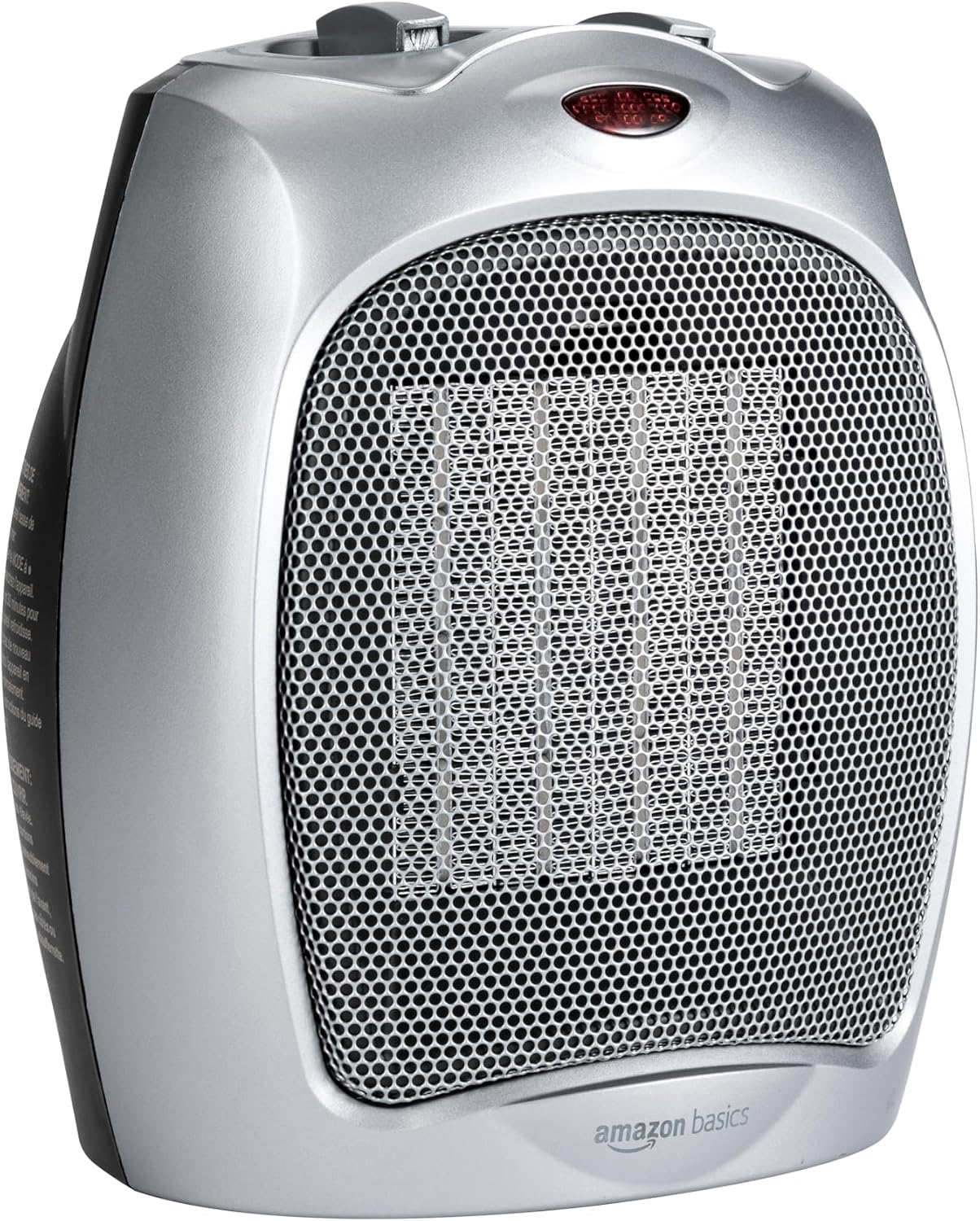
The Amazon Basics Ceramic Space Heater 1500W is the load this whole build switches: about thirty dollars, tip-over protection, and enough output to move a 10×12 room several degrees in an hour. The honest con that the whole category shares: 1500 watts at 120 volts is 12.5 amps, which means the smart plug on its cord must be honestly rated 15 amps — not every budget smart plug is, and an underrated plug on a heater is a genuine fire risk, not a fine-print one. Check the plug’s rating before you plug anything that makes heat.
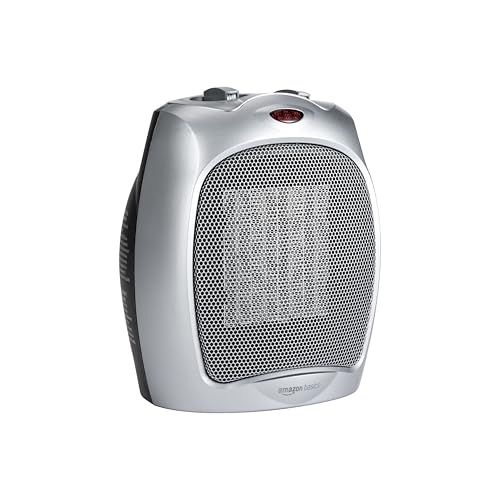
My take: the right cheap heater for the job — pair it only with a plug whose label says 15A, and never with an extension cord in the loop.
The build, in one line: sensor reads low → plug closes → heater runs → sensor reads high → plug opens. Thirty dollars of gear, zero wiring, fully renter-friendly. Start your Amazon trip from our Shop page — it supports the site at no extra cost, and the deal-alert card there catches the seasonal drops.
What’s the Cheapest Way to Automate Heat in One Cold Room?
A $13 Govee H5179 thermometer plus a matching Govee smart plug runs a space heater only when the room drops below your setpoint — about $30 total, no wiring, no electrician. If you would rather skip apps entirely, the $36 Inkbird ITC-308 does the same thing standalone with a probe.
What Actually Saves Money (And What Doesn’t)
Triggering on temperature beats a schedule. A schedule runs the heater whether or not the room is cold; a sensor build runs it exactly when needed.
Amperage honesty is the whole safety story. 1500W needs a 15-amp-rated plug; anything less is a hazard, not a bargain.
The $250 thermostat is a whole-home product. It earns its price when you are reprogramming central heating zones — not when one room is cold.
Sealing the draft beats heating past it. If the room loses heat through a gap, the sensor build will faithfully heat the outdoors. Check our winter utility-bill math first.
The Savings Math
- Heater running a fixed 8-hour evening block: about 12 kWh a night for a 1500W unit cycling half the time — roughly $1.60 a night at 13 cents a kWh.
- Heater running the sensor build, 3 hours a night: about 4.5 kWh — roughly 60 cents a night, about a dollar saved nightly through the heating season.
- Season total: about $120–150 saved for a $30 build — and the gear is reusable in summer to trigger fans or dehumidifiers.
- The thermostat route: $400 installed, and it still only helps the rooms the ducts reach — which was never this room.
Keep reading: our Black Friday starter-kit floors and the phantom-load math explainer round out the winter plan.
CleverHomeClub is reader-supported. As an Amazon Associate, I earn from qualifying purchases. That means if you buy through one of the links above, I get a small commission at no extra cost to you. I only recommend devices I’d run in my own home.
🏠 Get Your Free Smart Home Setup Checklist
Join our newsletter and get this free printable plus weekly tips.
Frequently Asked Questions
Can a smart plug turn on a space heater automatically?
Yes — pair a temperature sensor with a plug that supports triggers: a Govee H5179 thermometer fires a Govee plug when the room drops below your setpoint, or an Inkbird ITC-308 controller does it standalone with a probe. Time-based plugs like the Kasa EP25 switch on a schedule, not on temperature.
How do I heat one room without buying a smart thermostat?
Spend about thirty dollars instead of four hundred: a thirteen-dollar Wi-Fi thermometer plus a compatible smart plug runs a space heater only when that room falls below setpoint. A whole-home smart thermostat pays off when you are reprogramming central zones, not when one room runs cold.
Is it safe to plug a space heater into a smart plug?
Only if the plug is honestly rated 15 amps — a 1500-watt heater draws about 12.5 amps, and underrated plugs overheat on sustained loads. Never run the heater through an extension cord, keep the plug uncovered, and use a heater with tip-over protection.
Liked this guide? Get the next one in your inbox — the smart home starter checklist is free too.
✓ You're in — check your inbox.
No spam. Unsubscribe anytime. We never share your email.
Price Check
Prices verified via our product tracker. Updated Oct 31.
| Govee WiFi Thermometer Hygrometer H5179 with App Notificat | $39.99 | 4.3★ (7,862) |
| Kasa Smart Plug Mini 15A, EP25P4, Apple HomeKit Supported | $44.99 | 4.2★ (5,089) |
| Amazon Basics Ceramic Space Heater, Portable Indoor Heatin | $20.69 | 4.4★ (29,434) |
As an Amazon Associate we earn from qualifying purchases.