
This article contains affiliate links. We may earn a commission from qualifying purchases.
Some content on this site is AI-assisted and reviewed by our editorial team.
The text came in at 11:14 on a Tuesday: “Front door opened, 11:14 PM.” My wife and I were both home — and neither of us had gone near the front door. Twenty minutes of hunting later the answer was embarrassing and useful: a poorly-seated sensor on a back door that swings in the wind. But the twenty minutes in between is the entire case for entry sensors, and it cost me nothing monthly. Entry sensors are the cheapest smart-home device that actually changes behavior — a $14 to $45 sensor answers the 2 AM “did I close the garage?” question without a camera, a subscription, or even a hub for some systems. Here is the honest math on the three ecosystems worth your money.
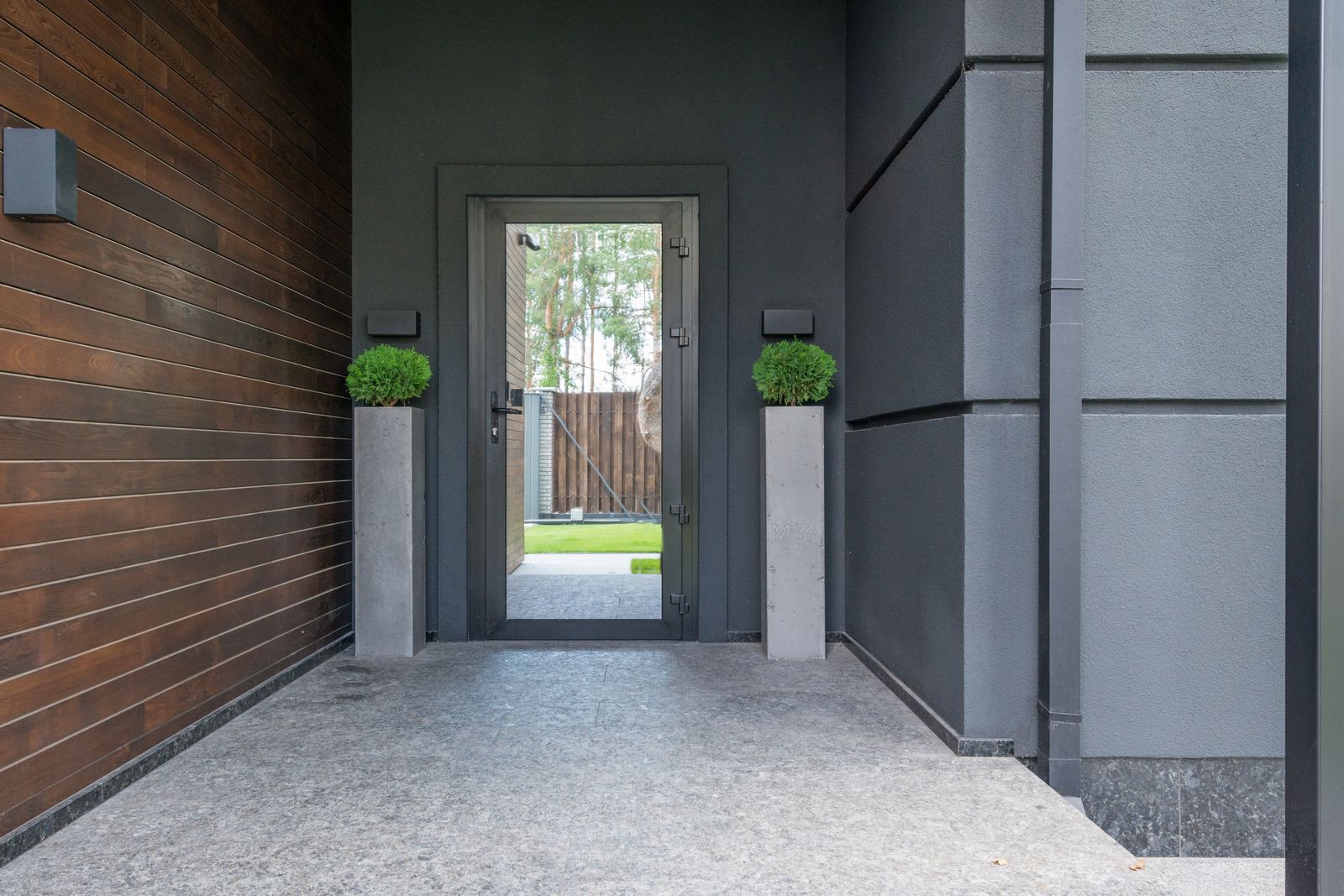
I ran contact sensors from three ecosystems on my own doors for a month — the Amazon-native option, the budget option, and the automation-first option — and logged false alarms, battery life, and what each one costs over four years. Here is what I found.
Ring Alarm Contact Sensor — The Amazon-Native Default
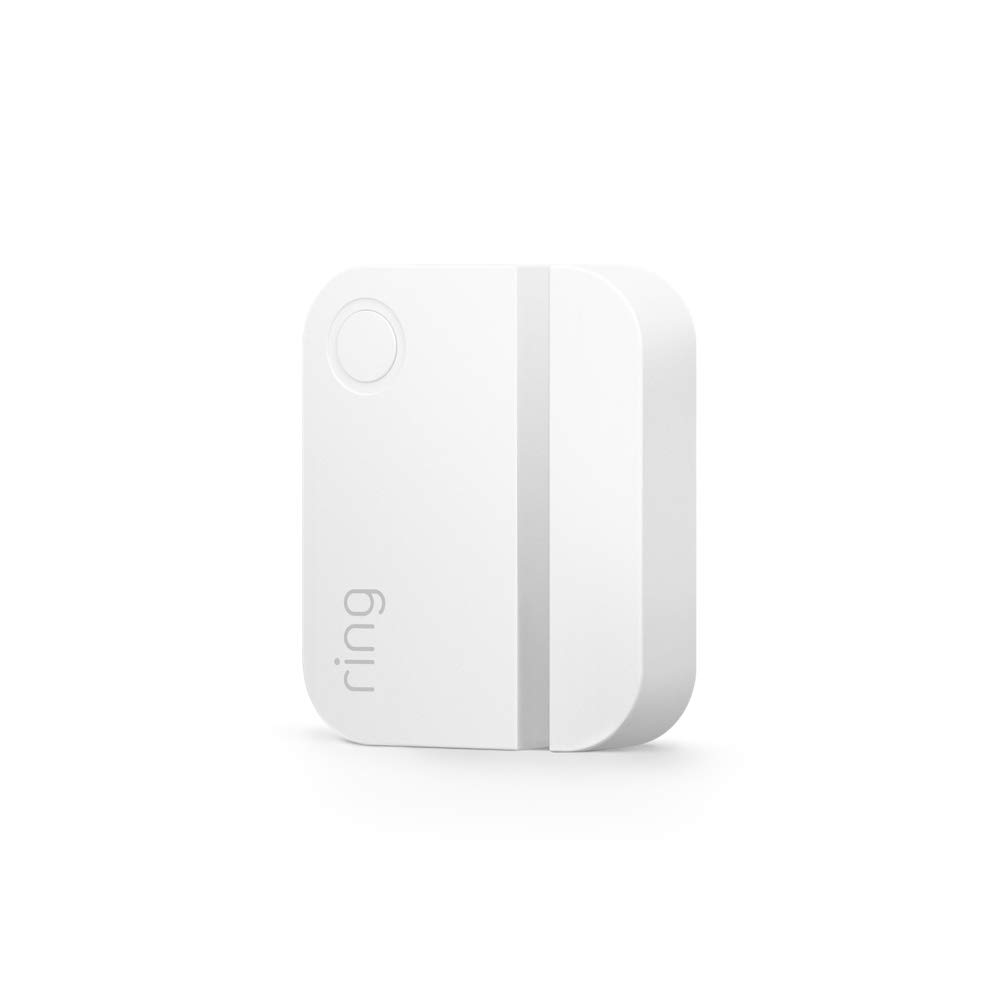
Ring Alarm Contact Sensor (2nd Gen) (about $15 each, or the 5-piece kit with hub at about $200) is the sensor to buy if your smart home already speaks Alexa. It pairs to the Ring base station, pings your phone the instant a door or window opens, and the slim 2nd-gen body fits frames the chunky first-gen did not. Battery life is rated around three years, and the Ring app’s modes — Home, Away, Disarmed — are the simplest arming model in the field. The honest cons: the sensor is useless without a Ring base station (the $15 is on top of the hub cost, not instead of it), and getting text alerts instead of push notifications or professional monitoring requires a Ring Home subscription — the sensor itself is honest, the plan upsell is not optional if you want certain features.
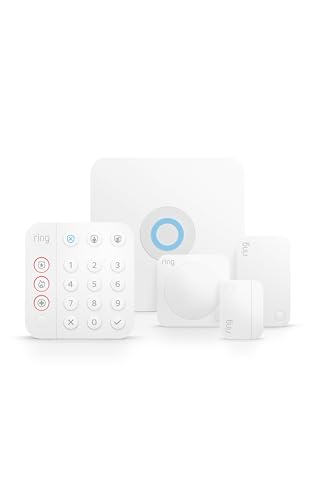
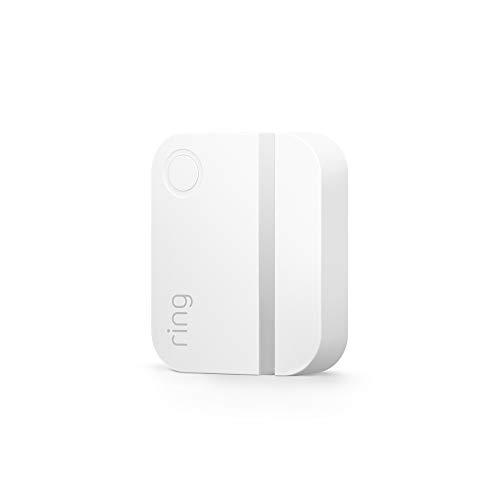
My take: the default for Echo households and anyone who wants door/window alerts inside the app they already open; buy the 5-piece kit first, then add sensors at $15 each.
Wyze Entry Sensors — The Budget Ecosystem Entry Point
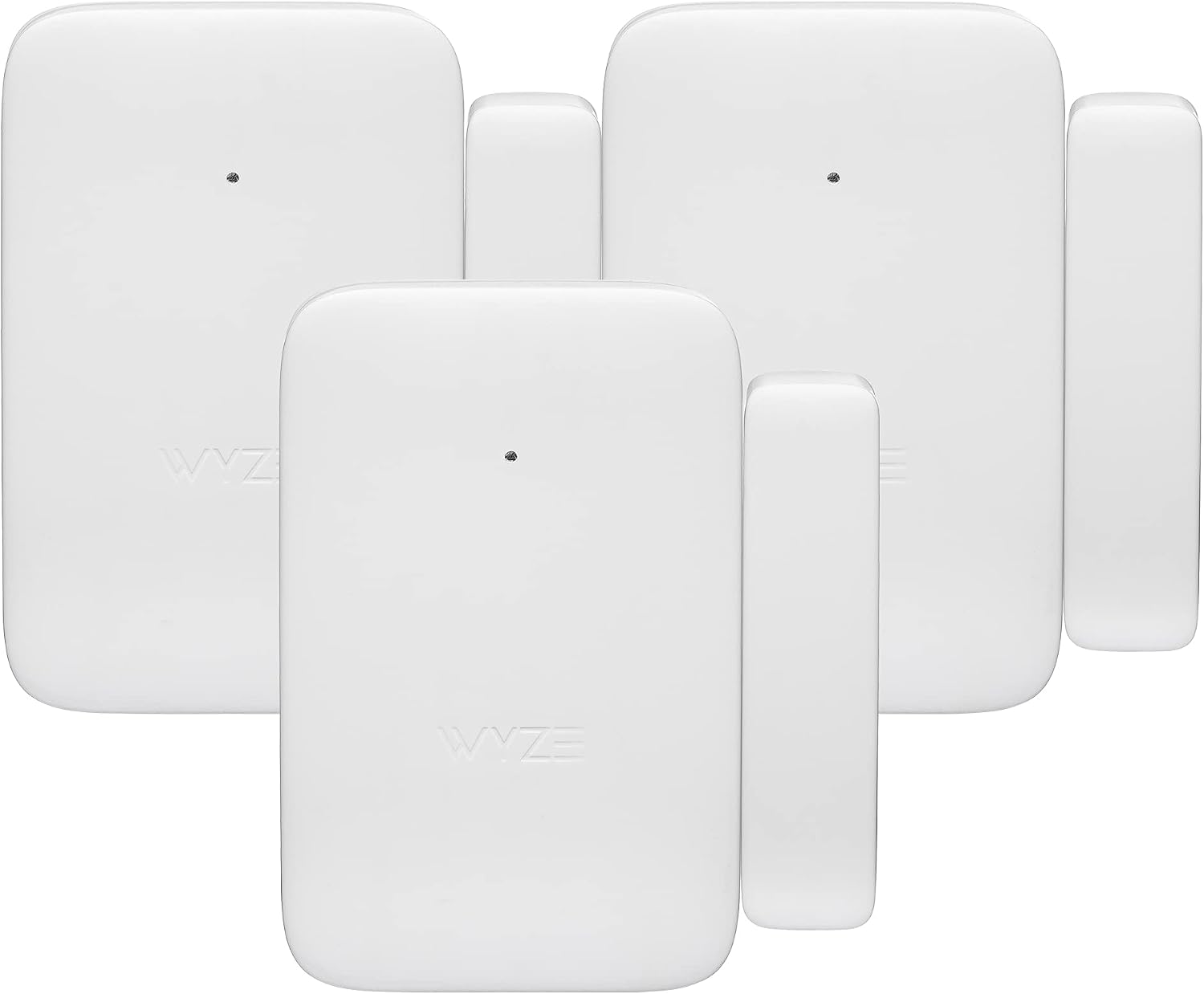
Wyze Entry Sensor 3-Pack (about $50, or about $16.66 each) is the price-floor option for a whole-home sensor sweep: three sensors for the price of one Ring, an 18-month battery life, and the same open/closed alerts in the Wyze app. Wyze’s pitch is that the sensors pair to the Wyze Sense Hub, which comes in their Home Monitoring starter kit rather than sold standalone on Amazon — so this 3-pack is the expansion route if you already have a hub, or the budget route if you buy the starter kit first. The honest cons: indoor-only, adhesive is permanent (paint-safe removal is not guaranteed), and Wyze’s app ecosystem has had well-publicized security incidents — fine for a garage-door sensor, worth a pause before you blanket your home with it.
My take: the cheapest credible sensors on the shelf; buy them when you already have or will buy the hub, and when a sensor on the shed door matters more than ecosystem polish.
Aqara Door and Window Sensor — The Automation-First Pick
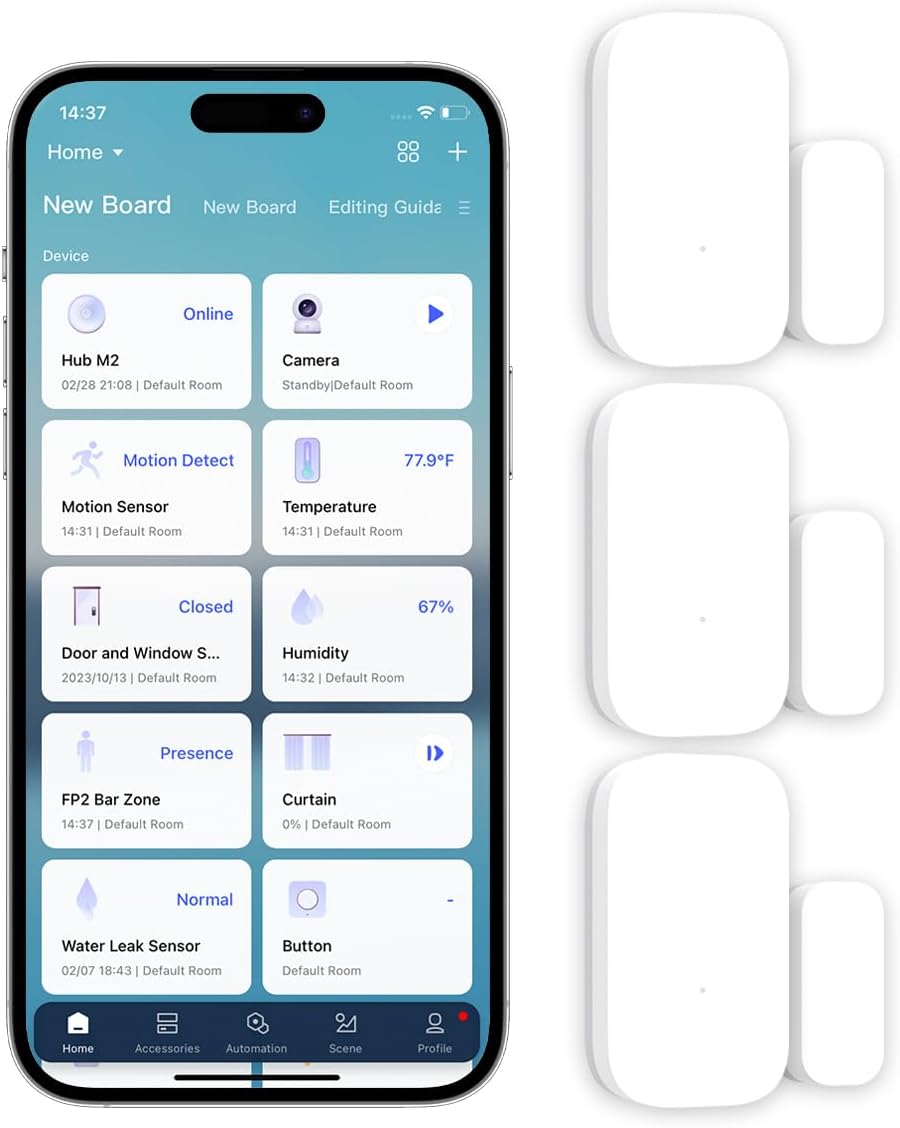
Aqara Door and Window Sensor 3-Pack (about $45, or singles at about $18) is the pick when open/close is the start of a scene, not the end of an alert: Zigbee sensors that trigger lights when a door opens at sunset, arm the alarm when the last door closes, or flip a smart plug when the pantry opens. Aqara’s hubs (about $50 for the M2, about $160 for the Matter-capable M3) also bridge the sensors into HomeKit, Alexa, and Google, and Zigbee battery life is measured in years, not months. The honest cons: a hub is required — these do not speak Wi-Fi directly — and Aqara’s app assumes you want automation, with the security-monitoring side feeling like the afterthought it is; the 3-pack’s rating (3.8 stars) trails the field because of pairing friction, not hardware.
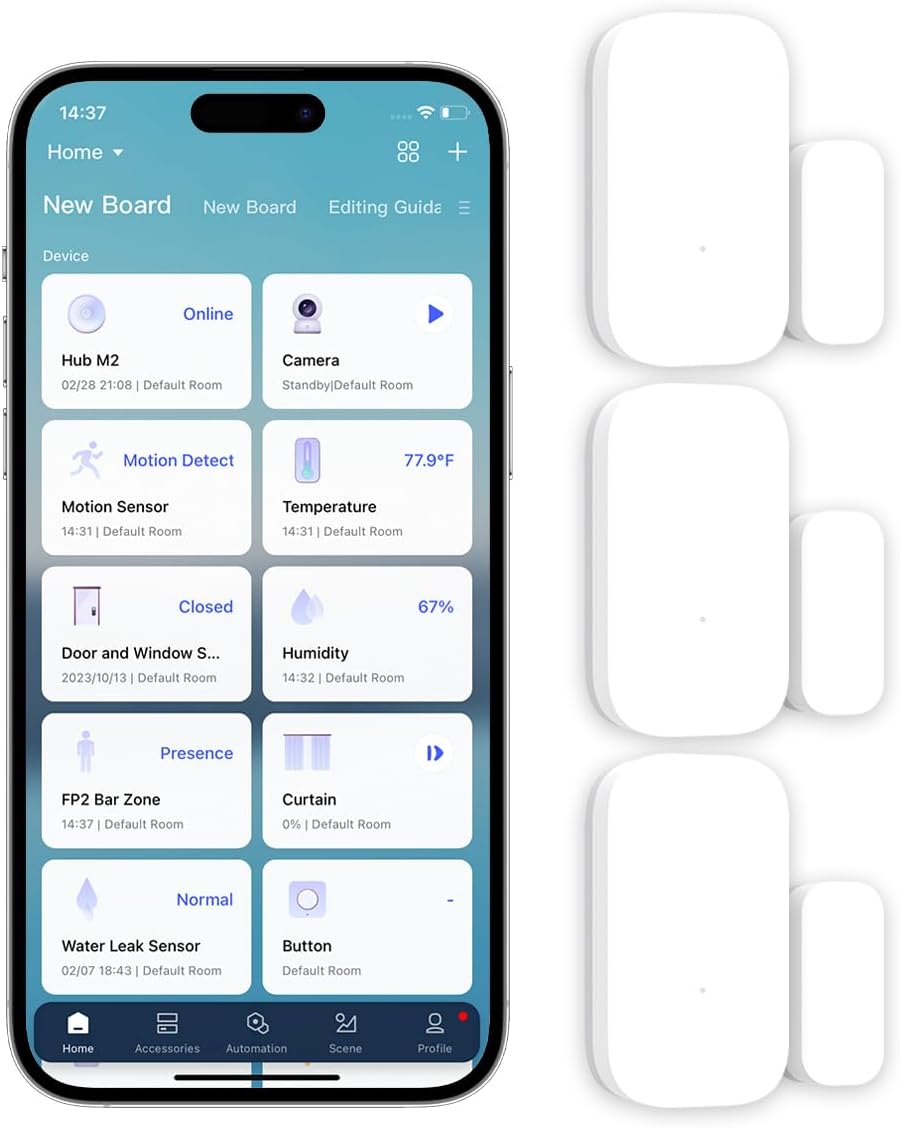
My take: the pick for automators — $45 for three sensors that light hallways and arm alarms is the best value in the field if scenes are the point; buy the M2 hub first if you do not have one.
Where the Sensors Actually Go
Every exterior door, then ground-floor windows. The order that matters: front door, back door, garage entry, then ground-floor windows in rooms you sleep far from. Second-story windows are the last 10% and usually skippable.
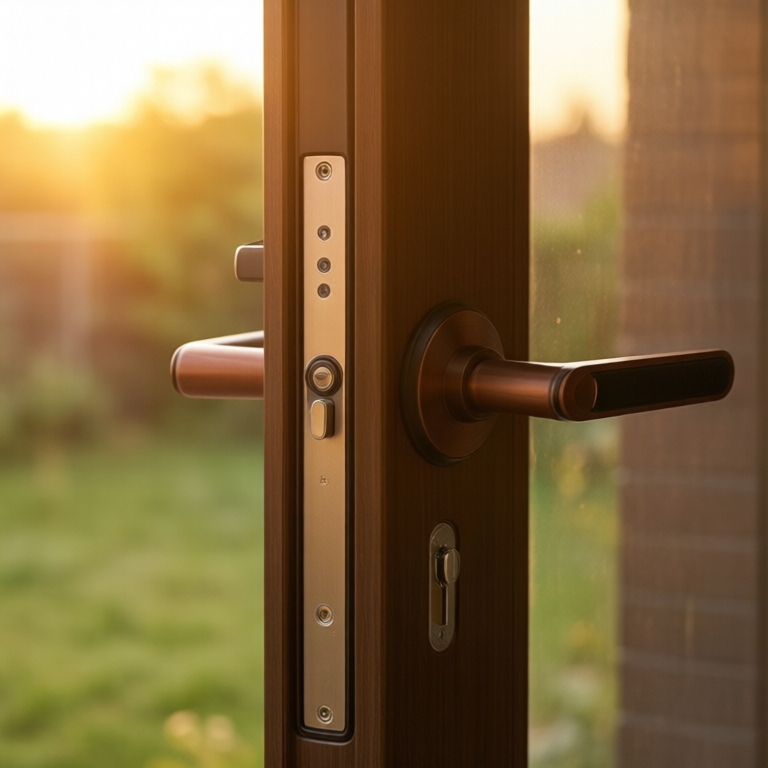
The garage-to-house door, not the garage door. The interior door is where the “did I leave it open” question actually lives — a contact sensor there answers it for $15 without a camera subscription.
Doors that misbehave. A door that swings in the wind (my 11:14 PM false alarm) is a sensor-placement lesson: seat the magnet within the marked gap, and test with the door half-open before trusting the adhesive.
Most of these sensors ship free and fast with Prime — the free 30-day Prime trial covers your first kit and the returns if a sensor does not fit your frame.
What Actually Saves Money (And What Doesn’t)
Triggering, not just alerting. The money in entry sensors is in the automations: a sensor that turns off the lights when the door closes saves more per year than the sensor costs.
Subscription math is the whole bill. Professional monitoring runs about $200 a year; a sensor that texts you for free replaces most of that for an apartment. The devices are cheap — the plans are where the four-year math happens.
Skip cameras on interior doors. A $15 sensor answers “which door” questions that a $100 camera answers with footage you have to scrub. Sensor first, camera where you need to see.
Zigbee over Wi-Fi for volume. Twenty Wi-Fi sensors will crowd a router; twenty Zigbee sensors ride one hub quietly. Past five sensors, the hub tax pays for itself in network sanity.
Adhesive is the real install cost. Renter-friendly is adhesive mounts; homeowner-permanent is screws. Every sensor here ships with adhesive — plan for the day you want to reposition.
The Four-Year Math
- Ring route: 5-piece kit $200 + 5 extra sensors $75 = $275 up front, $0 required ongoing (monitoring optional at about $20/month if you want it).
- Wyze route: hub via starter kit + 3-pack at $50 = under $100 for the first three doors, the cheapest credible whole-home sweep.
- Aqara route: M2 hub $50 + 3-pack $45 = $95 for automation-grade sensing — and the sensors do double duty as lighting triggers.
- What the difference buys: the same open/closed answer from all three — you are paying for the app, the ecosystem, and whether alerts or automations are the point.
Keep reading: Smart Locks Compared on 4-Year Cost and Do You Actually Need a Smart Home Hub.
CleverHomeClub is reader-supported. As an Amazon Associate, I earn from qualifying purchases. That means if you buy through one of the links above, I get a small commission at no extra cost to you. I only recommend devices I’d run in my own home.
🏠 Get Your Free Smart Home Setup Checklist
Join our newsletter and get this free printable plus weekly tips.
Frequently Asked Questions
Do door and window entry sensors need a hub?
In these three ecosystems, yes: Ring sensors pair to the Ring Alarm base station, Wyze sensors to the Wyze Sense hub, and Aqara sensors to an Aqara hub like the M2. No Wi-Fi-direct entry sensors are in this field - the hub is what keeps the batteries lasting years instead of weeks.
Can entry sensors work without a monthly subscription?
Yes - all three systems send free in-app open and close alerts with no plan. Ring's optional Ring Home subscription adds professional monitoring and richer notifications, but the sensor alerts themselves are subscription-free.
How long do entry sensor batteries last?
Ring's 2nd-gen contact sensors are rated around three years, Aqara Zigbee sensors run about two years on a coin cell, and Wyze entry sensors are rated up to 18 months. All three use replaceable coin-cell batteries.
Where should I place entry sensors first?
Every exterior door first - front, back, and the garage-to-house door - then ground-floor windows in the rooms farthest from your bedroom. Second-story windows are the last priority and usually skippable.
Will an entry sensor damage the door frame?
These sensors mount with adhesive pads, not screws, so painted frames survive - but the adhesive is designed to be permanent, and removal can pull paint. Test the magnet gap with the door half-open before committing to a placement.
Liked this guide? Get the next one in your inbox — the smart home starter checklist is free too.
✓ You're in — check your inbox.
No spam. Unsubscribe anytime. We never share your email.
Price Check
Prices verified via our product tracker. Updated Sep 27.
| Ring Alarm 5-piece kit (2nd Gen) – home security system | $279.98 | 4.7★ (5,415) |
| Wyze Home Security System Entry Sensor - Window and Door E | $49.98 | 4.4★ (872) |
| Aqara Zigbee Door and Window Sensor 3 Pack, Wireless Mini | $42.99 | 4.2★ (1,637) |
| Aqara Zigbee Door and Window Sensor 1 Pack, Wireless Mini | $17.99 | 4.4★ (6,096) |
As an Amazon Associate we earn from qualifying purchases.