This article contains affiliate links. We may earn a commission from qualifying purchases.
Some content on this site is AI-assisted and reviewed by our editorial team.
Smart kitchen gadgets get a bad reputation, and honestly, most of them deserve it. A smart cutting board is a cutting board with a battery. A smart measuring cup is a measuring cup that needs firmware updates. But buried in the noise of connected kitchen junk, there are a few appliances where the smart features genuinely change how you cook.
The difference comes down to one question: does the connectivity remove a step you would otherwise have to do manually? If the answer is yes, the smart version is worth considering. If the answer is no, you are paying a premium for a notification on your phone that your toast is done.
Here are five smart kitchen appliances where the connectivity actually earns its keep, and what to look for when shopping for each category.
Smart Coffee Makers
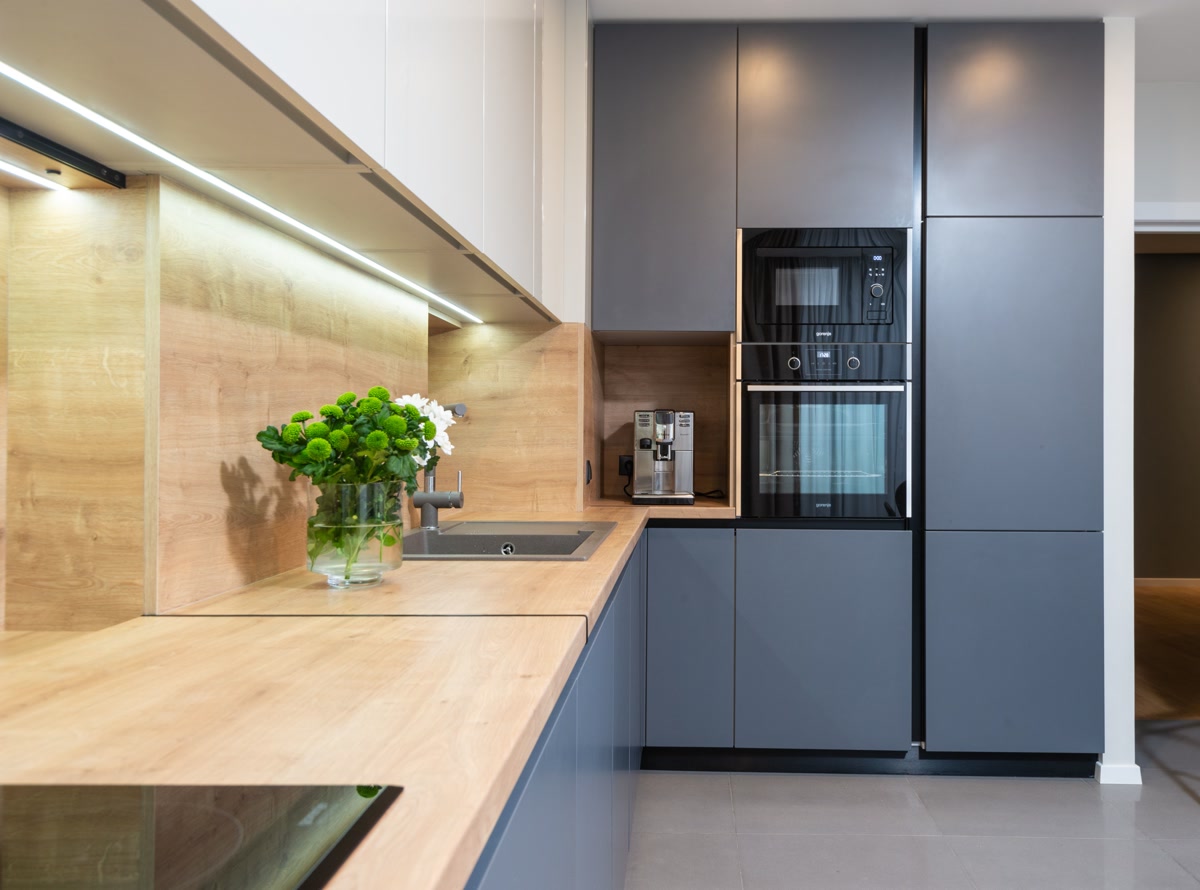
This is the easiest smart kitchen upgrade to justify. If you drink coffee every morning, the ability to schedule your coffee maker to start brewing before your alarm goes off is a genuine quality-of-life improvement. No more waiting for the pot to finish while you stand there half-awake.
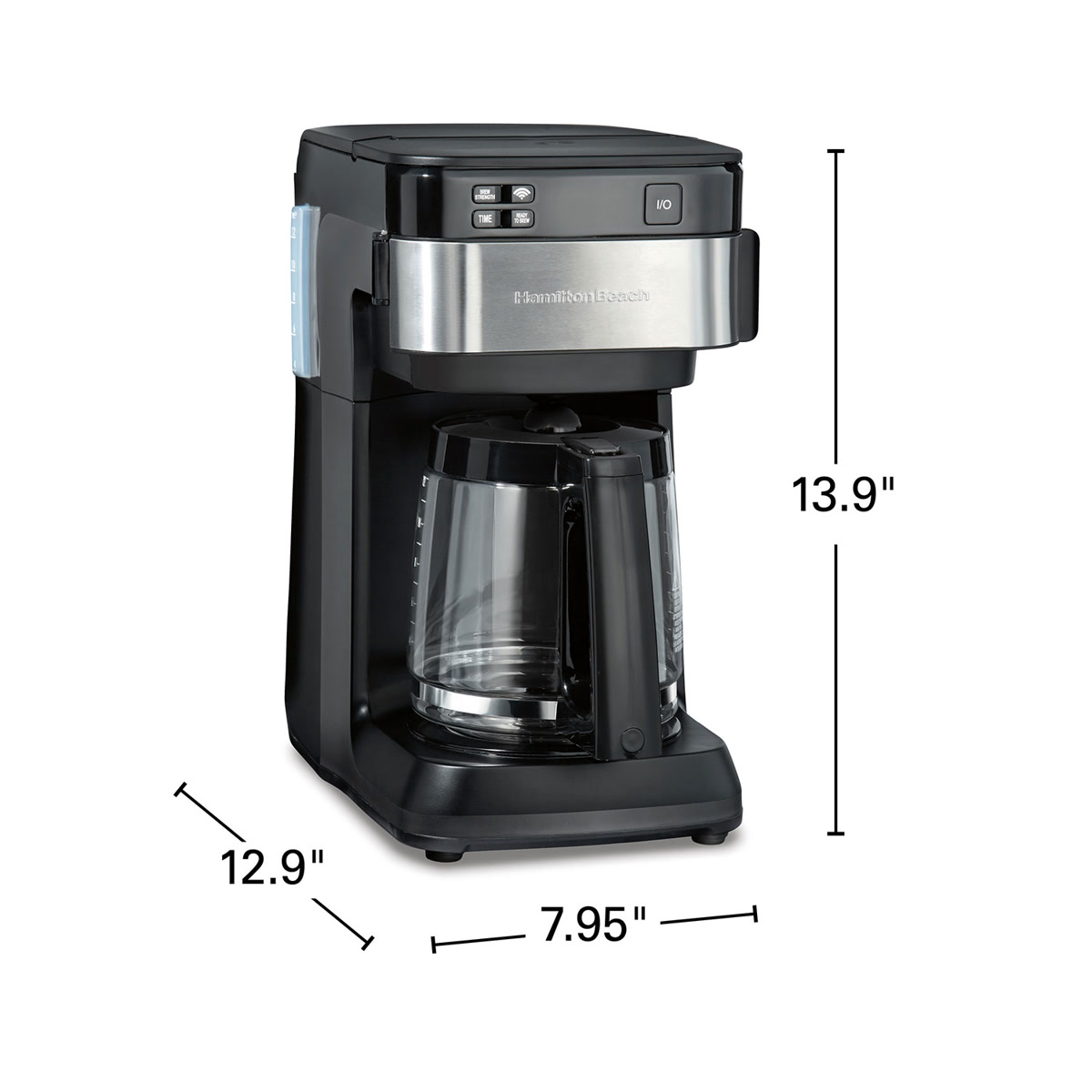
The Hamilton Beach Smart Coffee Maker works with Alexa, which means you can say “start the coffee” from bed and walk into the kitchen to a fresh pot. It supports programmable scheduling, brew strength adjustment, and the Alexa integration is reliable. At roughly 50 to 60 dollars, it is one of the lowest-cost smart kitchen upgrades with the highest daily impact.
What to look for: Alexa or Google Home compatibility (not just a proprietary app), programmable brew strength, and a thermal carafe if you do not drink it all at once. Avoid models that require a hub you do not already own. The Hamilton Beach works directly over WiFi.
Smart Air Fryers
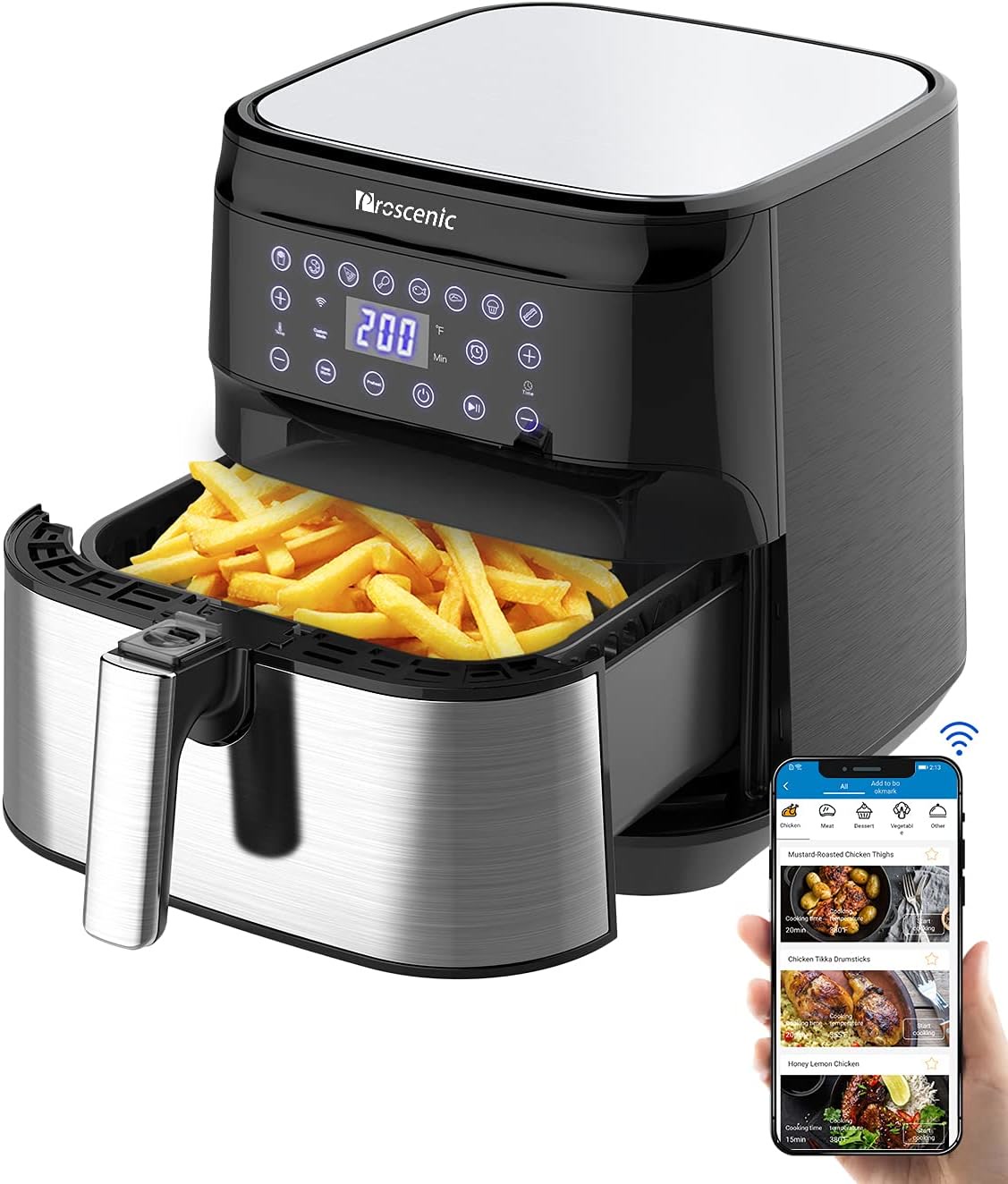
Air fryers are already convenient. Smart air fryers add remote monitoring and pre-programmed cooking profiles, which sounds like overkill until you realize the most common air fryer problem is overcooking because you forgot to check on it.
The Proscenic T21 Smart Air Fryer connects to WiFi and lets you monitor cooking progress from your phone. It has pre-programmed settings for common foods (fries, chicken, steak, shrimp), a 5.8 quart basket that is large enough for a family, and a nonstick basket that goes in the dishwasher. The app sends notifications when cooking is done, which means you can start something and go fold laundry without checking back every two minutes.
What to look for: WiFi (not just Bluetooth, which limits range), dishwasher-safe basket, pre-programmed cooking profiles, and at least 5 quart capacity. Skip models where the app only works on 2.4 GHz networks if you have already moved to 5 GHz or mesh WiFi.
Smart Microwaves
A smart microwave sounds ridiculous until you use one. The key feature is not voice control (though that is nice). It is the ability to scan a barcode on a frozen meal and have the microwave automatically set the correct time and power level. No more reading the back of the box, converting watts, or guessing whether your microwave is stronger or weaker than the one the instructions were written for.
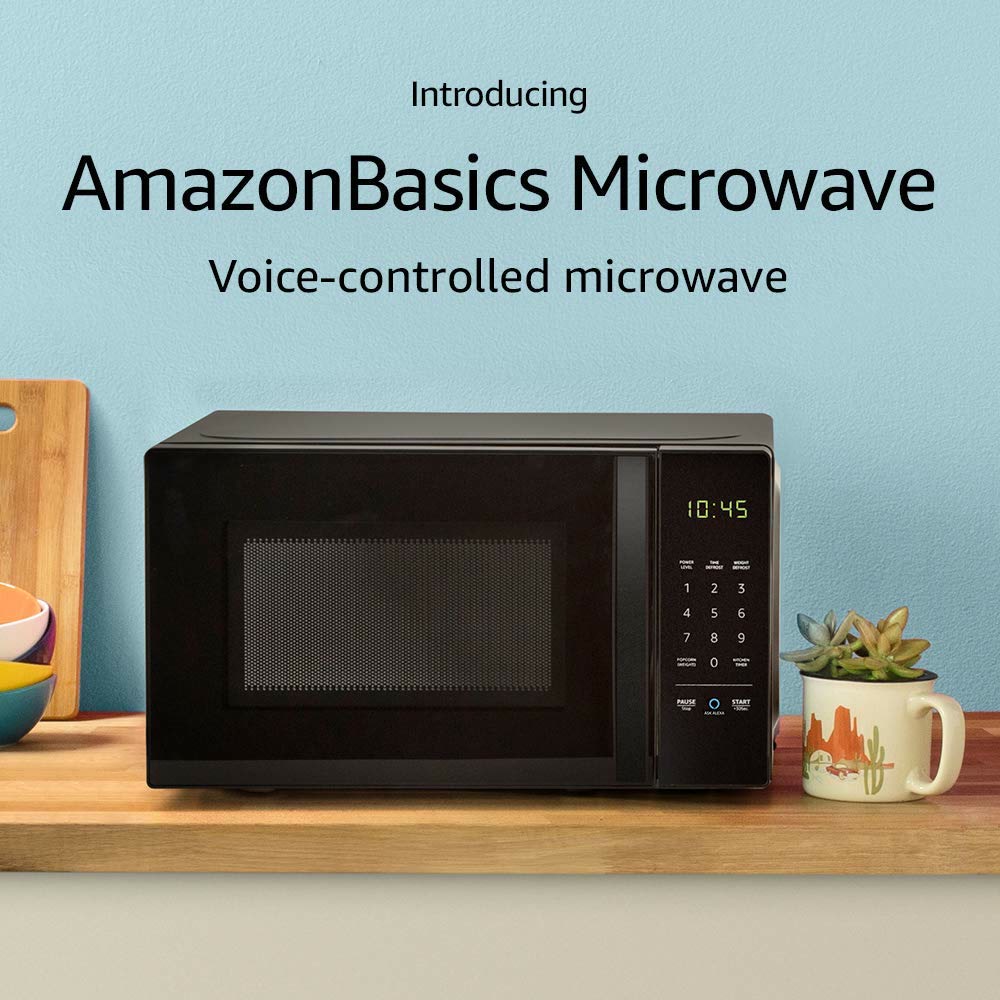
The AmazonBasics Microwave works with Alexa and includes the barcode scanning feature through the Alexa app. It is a compact 0.7 cubic foot microwave, which is fine for most households but might be tight if you regularly heat large casserole dishes. At under 100 dollars, it is the cheapest smart microwave worth buying.
What to look for: barcode scanning (this is the feature that matters), Alexa or Google integration for voice control, and a size that matches your counter space. Do not pay extra for a convection smart microwave unless you actually use convection baking — most people do not.
Smart Toaster Ovens
A smart toaster oven is the appliance that most replaces other appliances. A good one handles toast, bagels, roasting, broiling, reheating, and air frying. The smart features add precise temperature control and cooking presets that actually work because the oven has internal sensors.
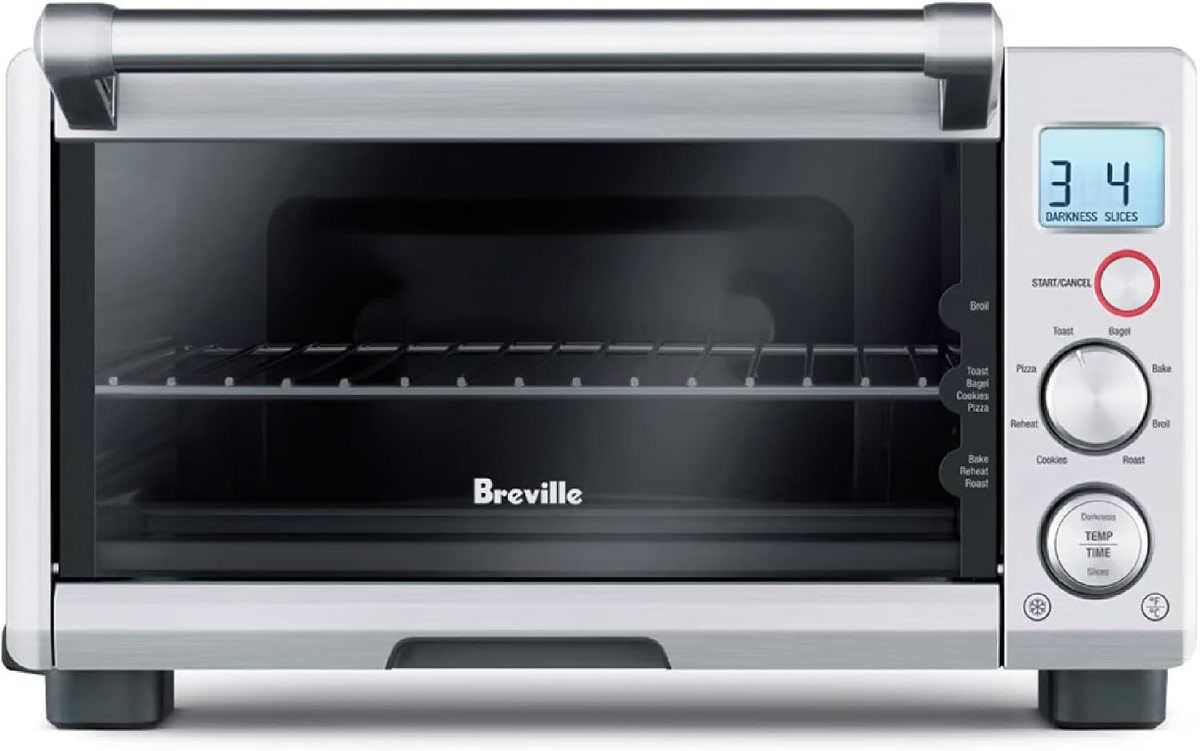
The Breville Smart Oven is the gold standard. It uses Element IQ technology that adjusts the power to each heating element independently, which means the top of your pizza does not burn while the bottom stays doughy. It is not WiFi-connected (Breville’s “smart” refers to the sensor-driven cooking), but it does what a smart oven should do: remove the guesswork. If you want WiFi connectivity, the Breville Smart Oven Air Fryer Pro connects to the Breville app for remote monitoring.
What to look for: independent heating element control (this is what makes it “smart” in the meaningful sense), a size that fits a 12-inch pizza, and a convection fan. WiFi connectivity is a bonus, not a requirement. The sensor-driven cooking is what actually matters.
Smart Ranges and Wall Ovens
This is the big-ticket category. A smart range or wall oven with WiFi connectivity lets you preheat from your phone, monitor the internal temperature of what you are cooking with a probe, and get notifications when the oven reaches temperature or when your roast hits the target internal temperature. If you have ever stood in the kitchen waiting for the oven to preheat, or opened the oven to check on a roast and lost 50 degrees of heat, you understand the value.
Samsung and LG both make smart ranges with WiFi connectivity, voice control via Alexa or Google, and integrated temperature probes. Samsung’s Flex Duo series lets you split the oven into two independent temperature zones, which is genuinely useful if you are cooking a turkey and a pie at the same time. LG’s smart ranges include their InstaView technology (knock to see inside without opening the door) and ThinQ app integration.
These are 1,200 to 3,500 dollar appliances and generally fall under the Kitchen and Dining category on Amazon, which means 4.5 percent commission rates — the highest category for smart home affiliates. If you are building smart kitchen content, smart ranges are where the commission per sale is highest.
What to look for: WiFi preheat (check that it works with your voice assistant of choice), integrated temperature probe (not all models include one), and dual-zone capability if you cook multiple dishes at different temperatures. Skip models where the smart features only work through a proprietary app with poor reviews.
What About Smart Refrigerators
Smart refrigerators deserve their own comparison because the price range (2,000 to 5,000 dollars) and feature set (door touchscreens, internal cameras, ice makers) warrant a dedicated breakdown. Check out our smart refrigerator comparison guide for the full Samsung Bespoke vs LG InstaView vs Bosch 800 breakdown.
Short version: Samsung gives you the most features, LG gives you the most reliability, and Bosch gives you the best design. All three keep your food cold. The decision is about what you value for the next decade.
Bottom Line
Smart kitchen appliances are worth it when the connectivity removes a manual step. A coffee maker you can start from bed. An air fryer that tells you when it is done. A microwave that reads the barcode and sets itself. A toaster oven that adjusts its own elements. A range you can preheat from the driveway.
They are not worth it when the connectivity adds nothing. A smart cutting board. A smart salt shaker. A smart spoon. If the product description sounds like a parody of technology, it probably is. Stick to the five categories above and you will get genuine daily value from your smart kitchen investment.
🏠 Get Your Free Smart Home Setup Checklist
Join our newsletter and get this free printable plus weekly tips.