This article contains affiliate links. We may earn a commission from qualifying purchases.
Some content on this site is AI-assisted and reviewed by our editorial team.
Smart Homes Work in Small Spaces Too

If you live in a studio, a one-bedroom, or any space under 500 square feet, you might assume smart home tech is for people with bigger homes. It is not. In fact, small spaces benefit more from automation because every square foot matters and every device needs to earn its spot.
The trick is choosing devices that solve real problems in tight quarters: saving outlet space, cutting energy waste, improving security without bulky hardware, and making routines hands-free when your kitchen is three feet from your bed.
Start With Smart Plugs — They Do the Most With the Least Space
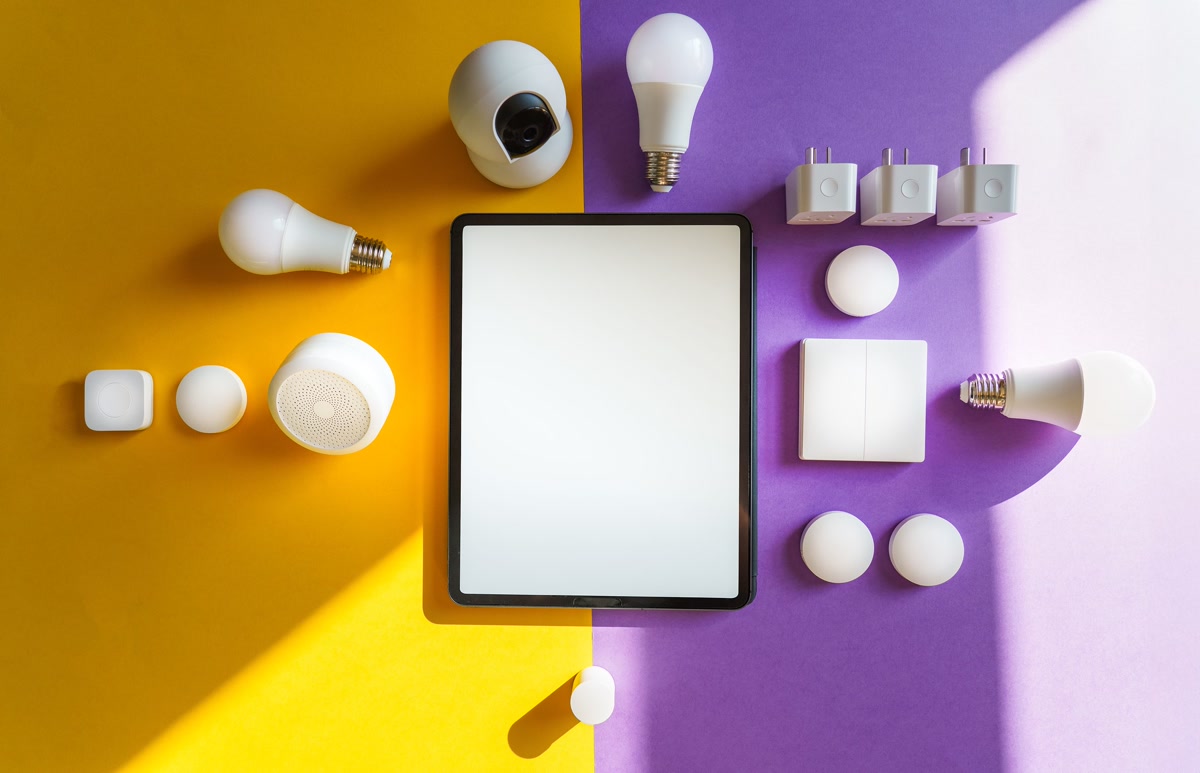
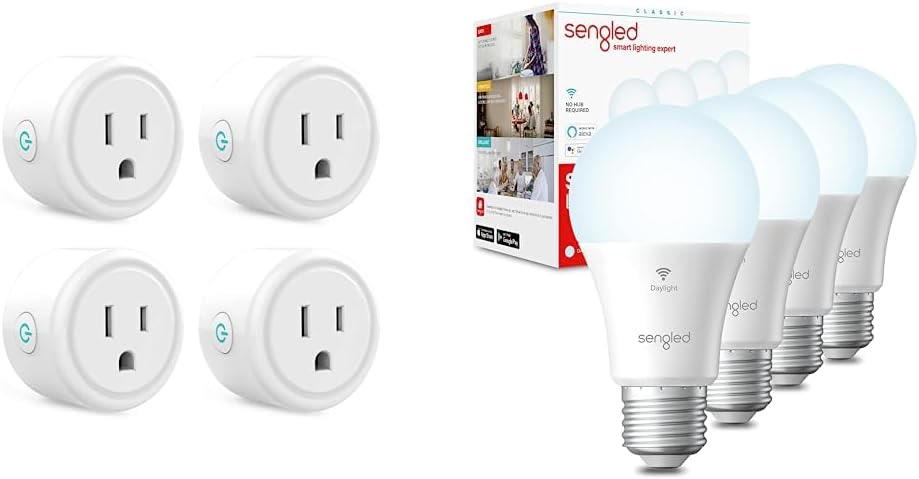
Smart plugs are the single best starting point for small spaces. They take up one outlet, require zero wiring, and give you app control and scheduling for anything you plug into them. In a studio apartment, that means you can schedule your space heater to warm up before you wake, turn off your curling iron automatically after 30 minutes, and kill vampire power on your TV setup when you leave.
Look for compact smart plugs that do not block the second outlet. TheTP-Link Kasa Mini and theAmazon Smart Plug Mini are both narrow enough to share a duplex outlet. If your outlet is behind furniture, a flat plug with a side-facing outlet saves you from rearranging your whole room.
Smart Bulbs Over Smart Fixtures — No Electrician Needed
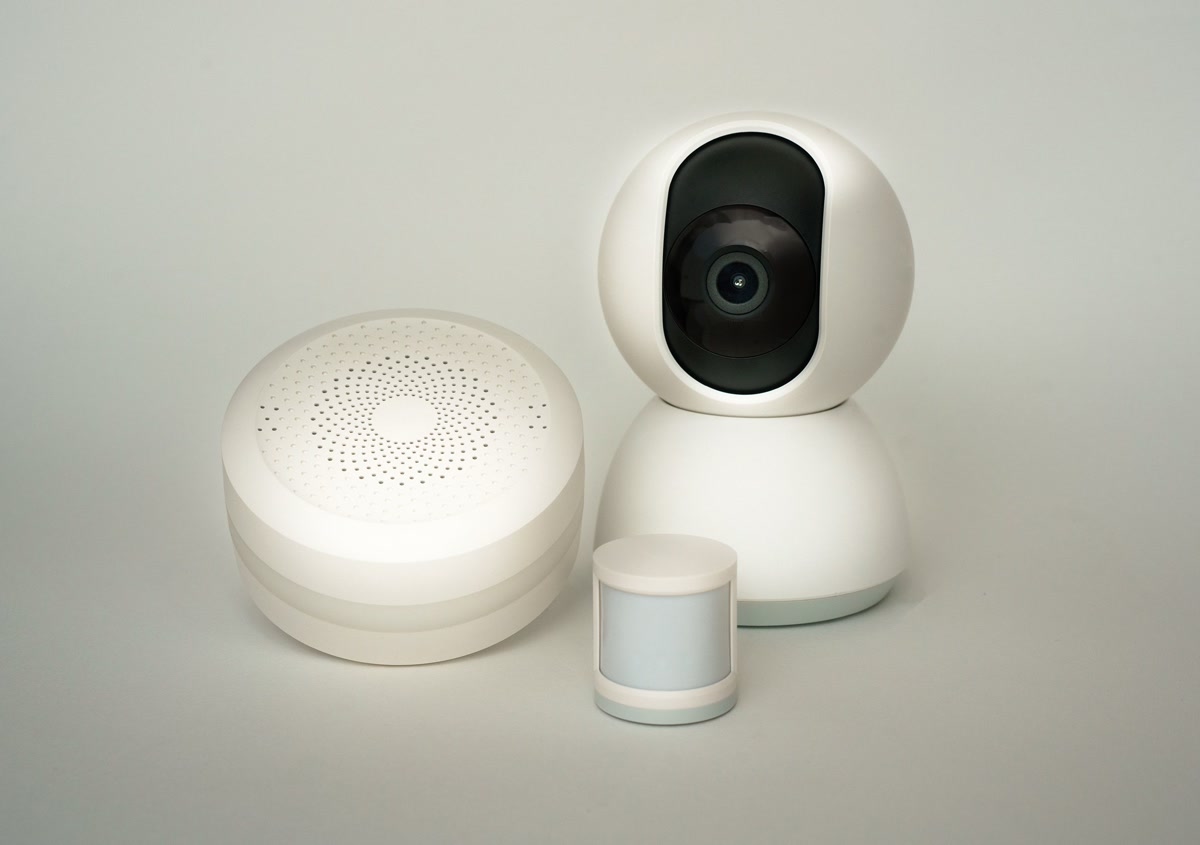
In a rental, you cannot replace light fixtures. Smart bulbs let you add dimming, color temperature changes, and scheduling without touching a screwdriver. In a small space, lighting matters more because you probably have one overhead light doing the work of three zones.
Put a warm-toned smart bulb in your bedside lamp and schedule it to dim 30 minutes before bed. Put a daylight bulb in your desk area and set it to full brightness at your work time. Even two bulbs with different schedules can make a studio feel like it has distinct rooms.
Philips Hue White Ambiance bulbs give you tunable white light from warm to cool without the color gimmicks. If you want to spend less,Sengled andWyze offer basic smart bulbs that work with Alexa and Google for under ten dollars each.
A Smart Speaker Is Your Control Panel and Your Roommate
In a small space, your smart speaker sits on a nightstand or a kitchen counter and controls everything by voice. You do not need to walk across the apartment to turn off a light or check a timer. It is also your alarm clock, your music player, your podcast speaker, and your kitchen timer.
TheEcho Dot is small enough for a nightstand and loud enough for a studio. TheNest Mini is comparable for Google users. Either one becomes the hub that ties your plugs, bulbs, and locks together through routines.
Smart Locks Add Security Without Modifying the Door
If you are in a rental, you probably cannot replace your deadbolt.August smart locks solve this by installing on the inside of your existing deadbolt. Your landlord’s key still works from the outside, and you get app control, auto-lock, and guest access from the inside.
In a small apartment building, the biggest risk is forgetting to lock your door. An August lock with auto-lock set to 30 seconds means your door locks itself every time you close it. No deadbolt replacement. No landlord approval needed in most cases.
Indoor Security Cameras That Respect Your Space
Small apartments have different security needs than houses. You probably do not need four cameras. One well-placed indoor camera covering your entry point does the job.Wyze Cam v4 mounts with adhesive, costs under thirty dollars, and records to a microSD card so you do not need a subscription for local playback.
Privacy matters more in small spaces because your camera can see your whole living area. Point it at the door and use the privacy shutter when you are home. Wyze and Ring both offer physical shutters so the camera is genuinely off, not just software-muted.
Robot Vacuums Are Built for Small Spaces
A robot vacuum might be the single most impactful smart device for a small apartment. Less floor space means faster cleaning cycles. Most budget robot vacuums can handle a studio or one-bedroom in under 30 minutes. TheiRobot Roomba 694 and theEufy RoboVac 11S are both under two hundred dollars and run on a simple schedule.
Skip the self-emptying base. In a small apartment, emptying the bin takes ten seconds and the base station takes up more floor space than you want to give up.
Temperature Control Without a Nest on the Wall
If you cannot replace your thermostat, you can still automate temperature-related comfort. A smart space heater with app control, like theDreo Atom One, lets you schedule heat without touching a wall dial. Smart plugs on fans give you automated cooling. A temperature sensor like theGovee Thermometer Hygrometer gives you real data so you know when to open a window versus when to run the AC.
This is not as elegant as a smart thermostat, but in a rental with a wall unit you cannot replace, it works.
Build One Routine That Does Everything
The point of a smart home in a small space is reducing friction. Build one morning routine and one leaving-home routine. Here is what they might look like:
- Morning: Lights on at 70% warm, smart plug turns on coffee maker, speaker reads weather and calendar, space heater starts warming
- Leaving Home: All lights off, smart plugs off (kills vampire power), door auto-locks, camera privacy shutter opens
Two routines. Six devices. Your whole apartment is automated.
What to Skip in a Small Space
Not every smart device makes sense in tight quarters. Skip smart blinds unless you have a window treatment you genuinely use every day. Skip smart water leak detectors unless your unit is above someone else’s and you are worried about liability. Skip smart kitchen appliances that need counter space you do not have. Every device in a small space needs to justify the physical space it takes up, not just the price.
The Bottom Line
A smart home in a small space is not a smaller version of a big-house setup. It is a different approach entirely. You need fewer devices, each doing more. You need compact hardware that does not block outlets or eat counter space. And you need routines that eliminate the tiny daily frictions that add up when your kitchen, bedroom, and living room share the same wall. Start with smart plugs and a speaker. Add bulbs and a lock. Build two routines. You will feel the difference on day one.
n
🏠 Get Your Free Smart Home Setup Checklist
Join our newsletter and get this free printable plus weekly tips.