This article contains affiliate links. We may earn a commission from qualifying purchases.
Some content on this site is AI-assisted and reviewed by our editorial team.
Smoke alarms pick their moment, and the moment is always the worst one: 2 a.m., the coldest stretch of the night, when an aging battery’s voltage finally sags below the warning threshold and the chirp starts. There is real physics behind the timing — battery output drops as the hallway cools, so a battery that coasted through the afternoon announces its death at the exact hour nobody wants to climb a ladder. Multiply that by one alarm per hallway and ten years of batteries, and the swap to a sealed 10-year combo unit stops being a convenience purchase and starts being a math problem. With the cooking weekend here — the weekend the fire service dreads every year — I priced the honest swap: combo smoke-and-CO units with batteries that never need a visit. Prices checked on Amazon the afternoon of November 26.
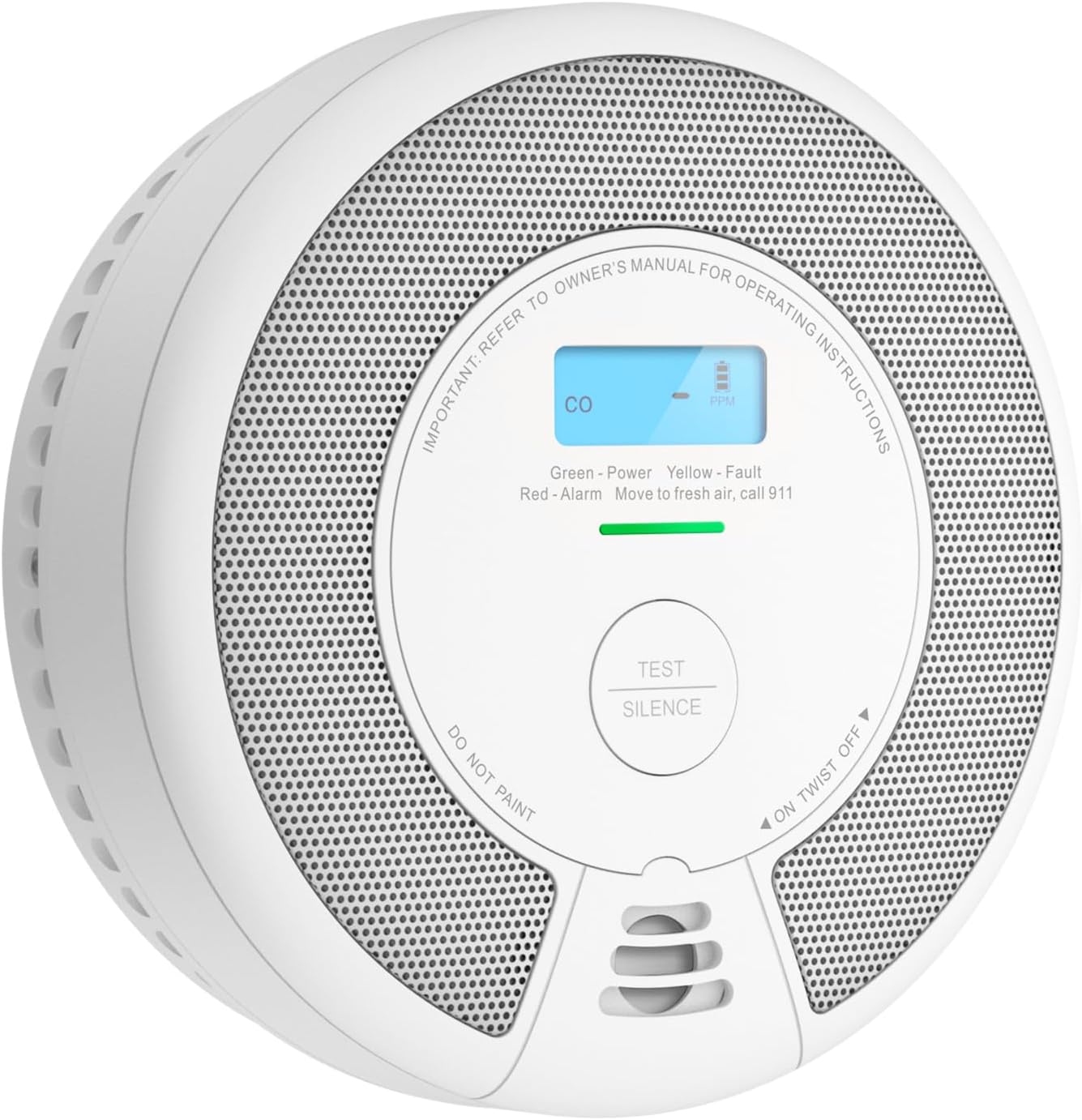
The swap logic is simple: a combination unit does two jobs from one ceiling spot, and a sealed lithium battery means the only chirp you will ever hear is the end-of-life warning — ten years later, on a date you can predict. The picks below cover the single swap, the whole-house interconnect, and the two hardware-aisle names, with the honest cons each one carries.
X-Sense SC07 Smoke and CO Detector Combo — The 38-Dollar Swap ($37.99)
The X-Sense SC07 combo detector is the single-unit swap that fixes the most common setup in one purchase: a photoelectric smoke sensor and an electrochemical CO sensor in one housing, UL-listed for both jobs, with a 10-year sealed battery and a display that shows the CO reading live. It sits at $37.99 tonight, which is the price of the batteries you stop buying for a decade.
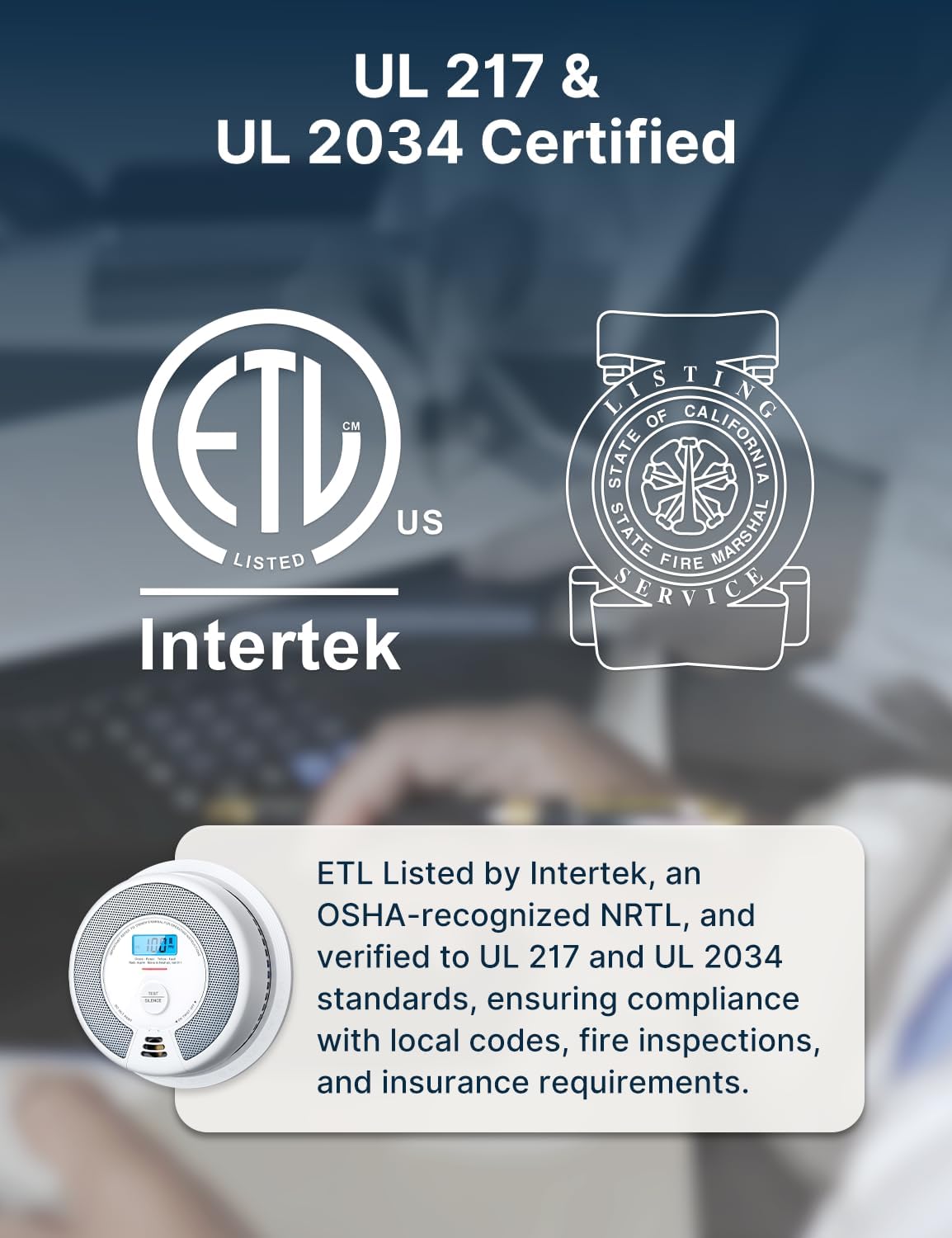
The honest cons: sealed means sealed — when year ten arrives, the whole unit retires, not just a battery. And the single unit covers one room; a hallway, a bedroom zone, and a kitchen each want their own, which is what the six-pack below is for.
My take: the best value in the category — one purchase, two hazards covered, and no 2 a.m. chirps for ten years, at a price that beats most single-sensor name-brand units.
X-Sense SC07-W 6-Pack — The Whole-House Interconnect ($256.49)
The X-Sense SC07-W wireless interconnected 6-pack is the feature that matters once you cover more than one floor: every unit talks to the others over wireless, so the alarm that triggers in the basement makes the unit outside the bedrooms announce it too. Tonight the six-pack runs $256.49 — about $43 a unit, roughly five dollars over the single’s price for the interconnect.
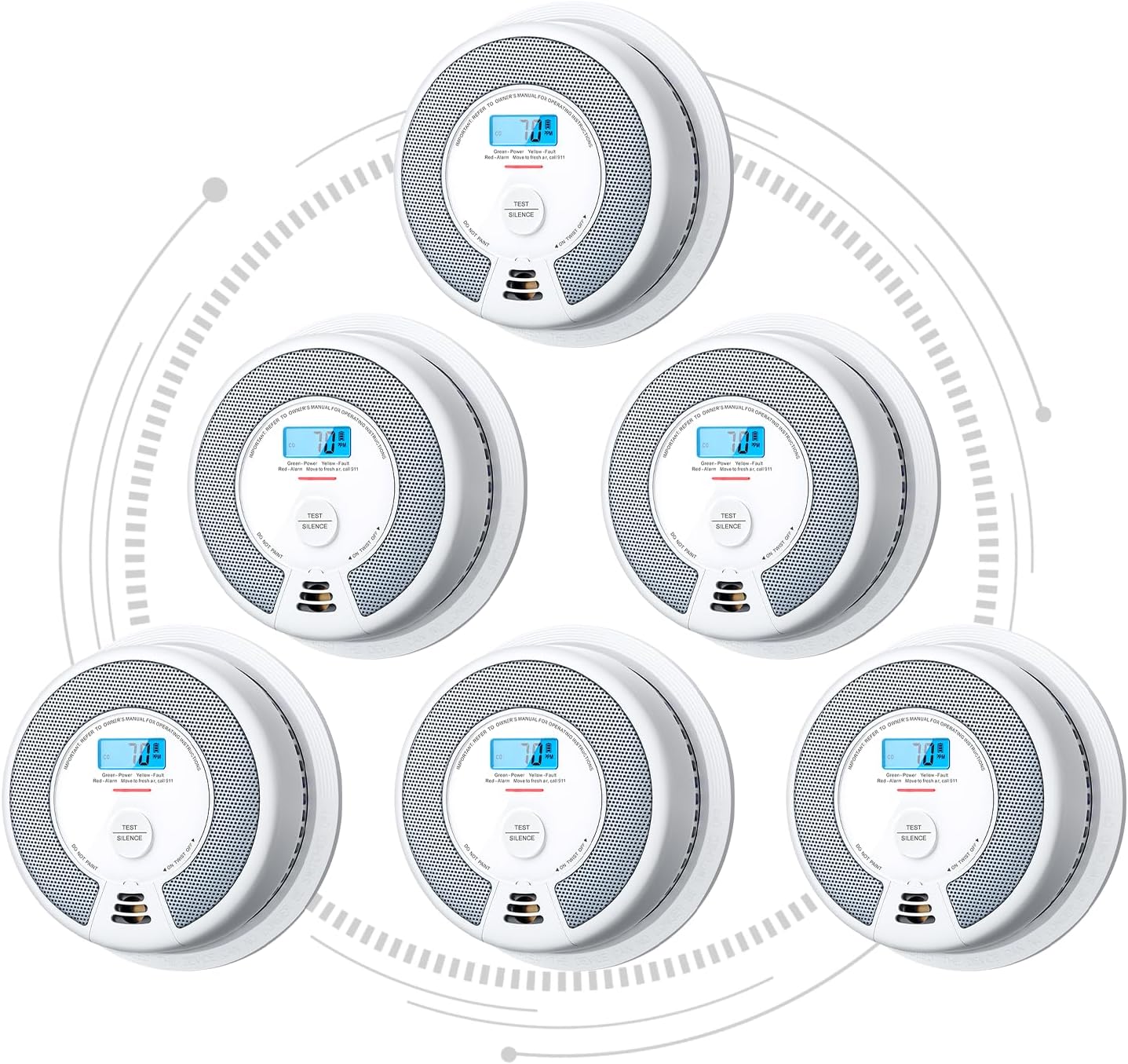
The honest cons: that is real money up front — six singles without interconnect cost under $230 if you never need them talking to each other. The wireless link also means placement matters more: units in a metal garage or a far corner may pair worse than the floor plan promises.
My take: the landlord-and-big-house buy — interconnect is the one feature that measurably changes outcomes when the alarm triggers far from where people sleep, and the six-pack is the honest way to buy it.
First Alert SMCO210 — The Hardware-Store Alternative ($45.83)
The First Alert 10-year battery combination smoke and CO alarm is the name from every hardware aisle: a slim-profile sealed combo unit with First Alert’s newer sensing technology, UL-listed, at $45.83 tonight. If you have replaced alarms before, this is the shape you already know how to mount and test.
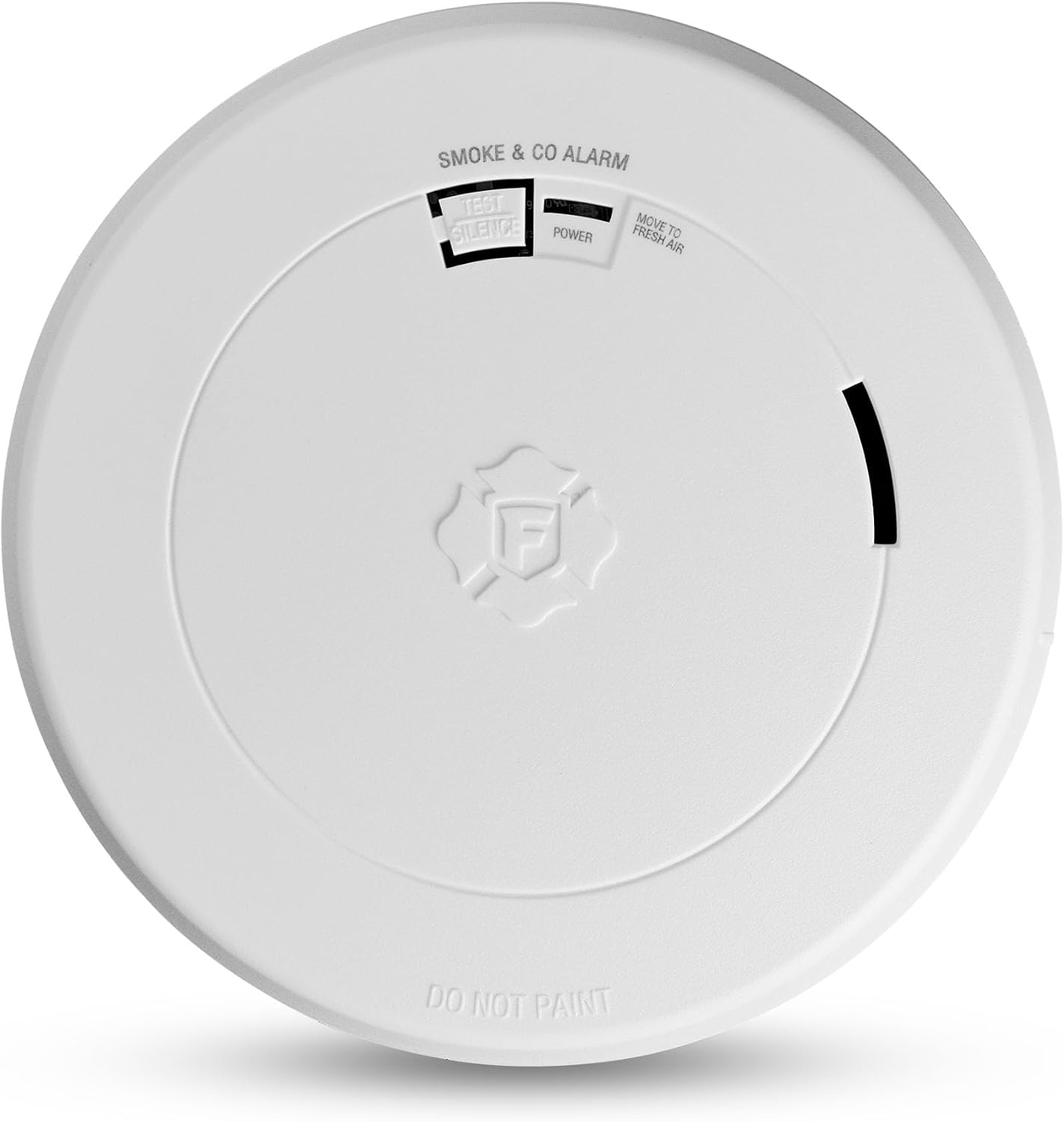
The honest cons: the review history on this one runs genuinely mixed — the common complaint is nuisance trips near kitchens, which is the same cooking-weekend scenario that makes this post seasonal. It is also eight dollars more than the X-Sense single for the same sealed-battery combo job.
My take: buy it if the First Alert name is what your household trusts or your local code expects — but mount it away from the cooking path, or the Thanksgiving turkey will test it for you.
Kidde 30CUD10 — The Big-Box Name Swap ($51.00)
The Kidde 30CUD10 10-year battery smoke and CO alarm is the other name-brand swap: sealed 10-year battery, combination detection, LED status lights that tell you at a glance whether the unit is armed, at $51.00 tonight. Kidde is the brand most houses already have on a ceiling somewhere, which makes the swap a five-minute like-for-like.
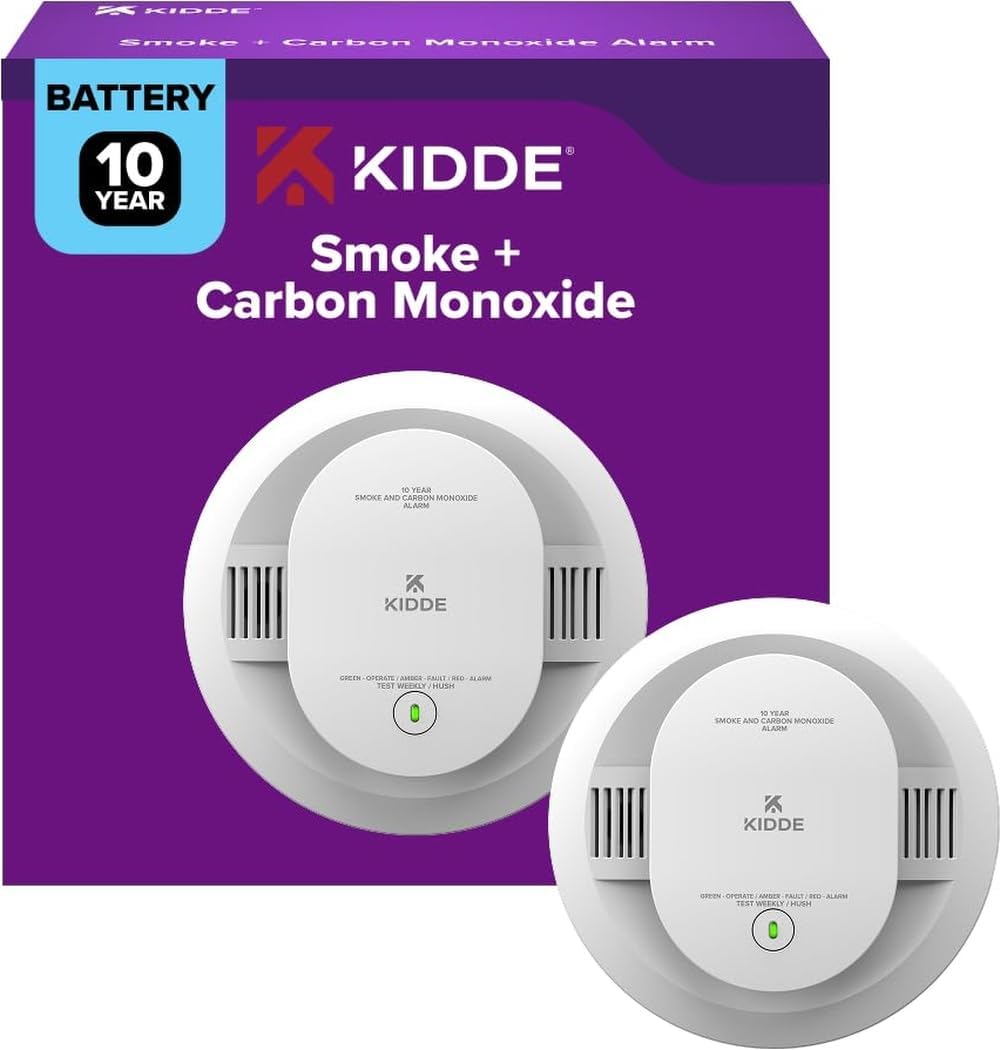
The honest cons: no interconnect at this price, and tonight it is the priciest single unit on the list — thirteen dollars over the X-Sense for the status lights and the name on the box.
My take: the swap for the house that wants one brand on every ceiling — but at this price, check whether the X-Sense single plus a spare covers your square footage better.
Before the cooking weekend: a free 30-day Prime trial gets sealed units on the doorstep in two days — and a combo alarm near the sleeping area is the one holiday prep item that outlasts every decoration.
What Actually Saves Money (And What Doesn’t)
The battery math. A replaceable-battery alarm eats a battery a year plus a ladder trip; a sealed 10-year unit amortizes to about $3.80 a year in the X-Sense’s case, and the battery never chirps. Across four units over a decade, sealed power saves both the battery spend and every 2 a.m. climb.
Combo over singles. Two single-purpose units cost more than one combo and occupy two ceiling spots. The combo is the cheaper way to cover both hazards per room.
The interconnect premium. Wireless interconnect costs about five dollars a unit over the singles — the cheapest whole-house upgrade in home safety, and worth it on any floor plan where a far-corner alarm has to wake a sleeping hallway.
What doesn’t save: smart-detector subscriptions. The units here do their whole job with no monthly plan, no app, and no account — that is the point of the pick.
What’s the best 10-year smoke and CO alarm for most homes?
The X-Sense SC07 single at $37.99 for one room at a time, stepping up to the $256.49 wireless six-pack when the whole house needs its units talking to each other. The name-brand First Alert and Kidde swaps are fine hardware — you are just paying five to thirteen dollars more for the label.
The rest of the winter-prep list costs less than one insurance deductible: the electric blanket watt math before the deep freeze covers the bedroom, and the guest-room tech for holiday visitors handles the rooms that only matter this month. Test every unit tonight, write the install year on the mounting ring, and the next scheduled 2 a.m. is a decade away.
CleverHomeClub is reader-supported. As an Amazon Associate, I earn from qualifying purchases. That means if you buy through one of the links above, I get a small commission at no extra cost to you. I only recommend devices I’d run in my own home.
🏠 Get Your Free Smart Home Setup Checklist
Join our newsletter and get this free printable plus weekly tips.
Frequently Asked Questions
Are 10-year battery smoke alarms worth it?
Yes — a sealed unit amortizes to about four dollars a year, ends the annual battery swap, and removes the 2 a.m. low-battery chirp entirely for a decade. The catch: at year ten the whole unit retires, so write the install date on the mounting ring.
How often should you replace combination smoke and CO alarms?
Replace sealed 10-year units at the ten-year mark — the end-of-life chirp is the built-in reminder. Replaceable-battery combo units follow the sensor's dated life too, typically seven to ten years, printed on the back of the unit.
What does a wireless interconnected smoke alarm do?
Every unit in the set announces together: the alarm that triggers in the basement makes the unit outside the bedrooms sound too, which is the feature that changes outcomes when a fire starts far from where people sleep. No wiring between units — they link over radio.
Why do smoke alarms chirp at night?
Battery voltage drops as the hallway cools, so a battery that coasted through the warm afternoon slips below the warning threshold in the coldest hours — usually 2 to 4 a.m. A sealed 10-year unit makes the low-battery chirp a thing of the past; the only chirp left is the end-of-life one.
Liked this guide? Get the next one in your inbox — the smart home starter checklist is free too.
✓ You're in — check your inbox.
No spam. Unsubscribe anytime. We never share your email.