This article contains affiliate links. We may earn a commission from qualifying purchases.
Some content on this site is AI-assisted and reviewed by our editorial team.
Here is the dumbest device in the smart home, and the one that never fails on December 20: a photocell. Sunset in December lands between 4:15 and 5:05 PM for most of the country — right when nobody is home to flip the switch. A photocell sees the dark arrive and turns the display on itself, then shuts it off at dawn, with no app, no hub, no subscription, and no schedule to babysit. The honest numbers: hardwired sensors run about $12, the plug-in stake route runs $18.99, and either one outlasts three generations of smart plugs. If your display has ever sat dark through the best light of the evening because you forgot, this is the fix.
I priced the whole photocell lane — lamp-post sensors, hardwired post-eyes, universal-voltage units, and the plug-in stake — and here is the honest map of what each one needs from you, wiring included, because the cheapest sensor is not cheap if you have to hire an electrician to hang it.
Solus Dusk-to-Dawn Sensor with Ezee Change Plug — The Lamp-Post Upgrade
Solus Dusk-to-Dawn Sensor with Ezee Change Plug at $11.04 is the best-reviewed sensor in the lane — 4.6 stars across 2,504 ratings — and it is the twist-in answer for a lamp post: UL listed, 120V, a five-year warranty, and an “Ezee Change” plug design so the sensor swaps out without re-wiring the post. No wiring at all, just the right fixture. The honest con: it fits 3-inch lamp posts specifically — it is not a bulb-socket adapter and not a plug-in, so if your display is strands on bushes, skip to the OSKOS stake below.
My take: if you own a lamp post, this is the whole problem solved for eleven dollars — the dusk-to-dawn cycle happens inside the fixture, forever, with no hub to reboot.
J.LUMI YCA1031 Photocell Sensor — The Hardwired Pick
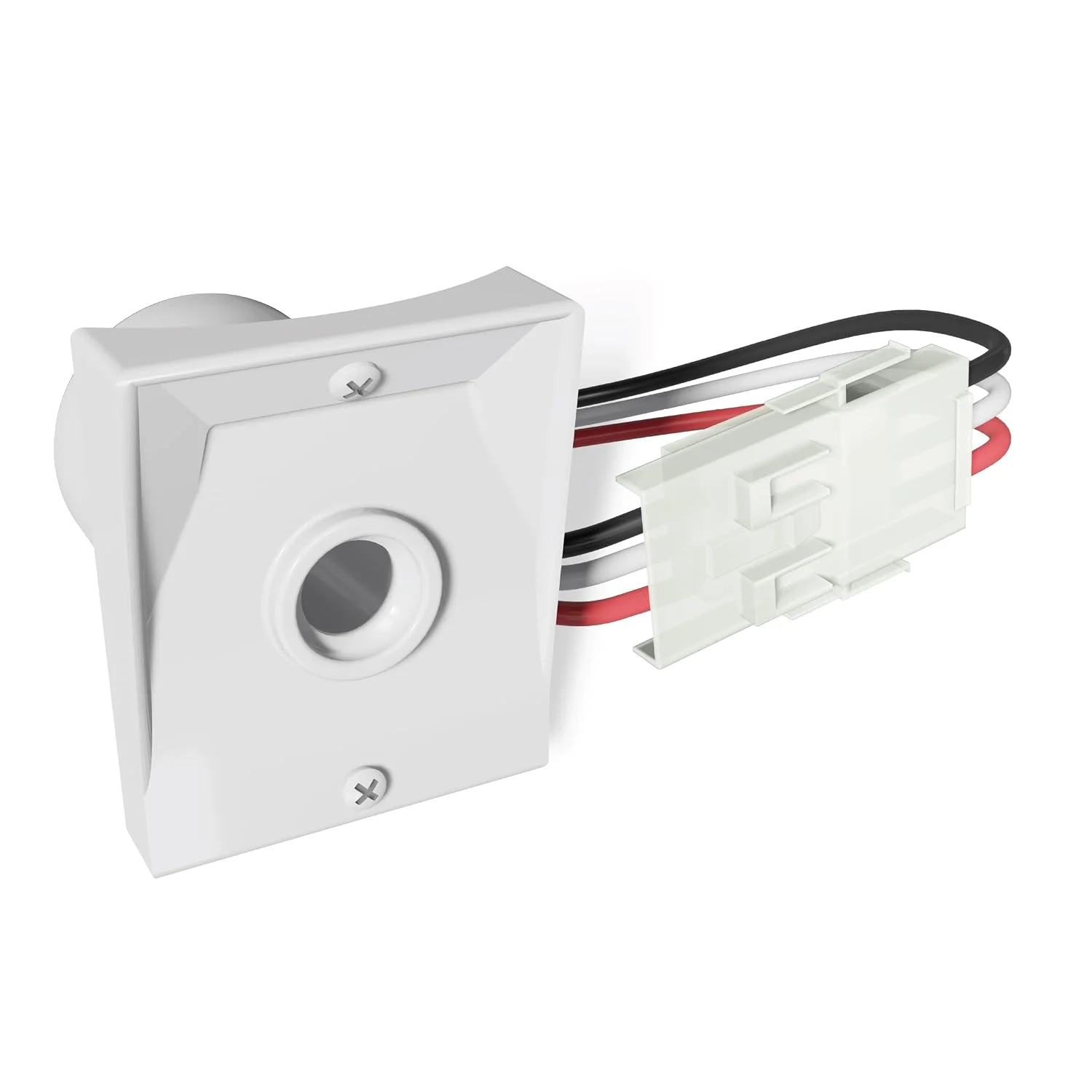
J.LUMI YCA1031 Photocell Sensor with Wall Plate at $12.98 is the button-style post-eye for a fixed floodlight, porch fixture, or garage light: 120V, UL listed, ships with its wall plate, and carries 4.5 stars across 303 ratings. It is the pick when the light is on a wall, not a post. The honest con, and it is the whole con of the hardwired lane: installing it means a junction box, wire nuts, and a breaker flip. Homeowner work, not renter work — renters should jump straight to the stake.
My take: the cleanest $13 upgrade to a porch light you already own — one breaker flip and the porch is on the sun’s schedule instead of yours.
GDMQWSP Photocell Switch, 120–277V — The Universal-Voltage Unit
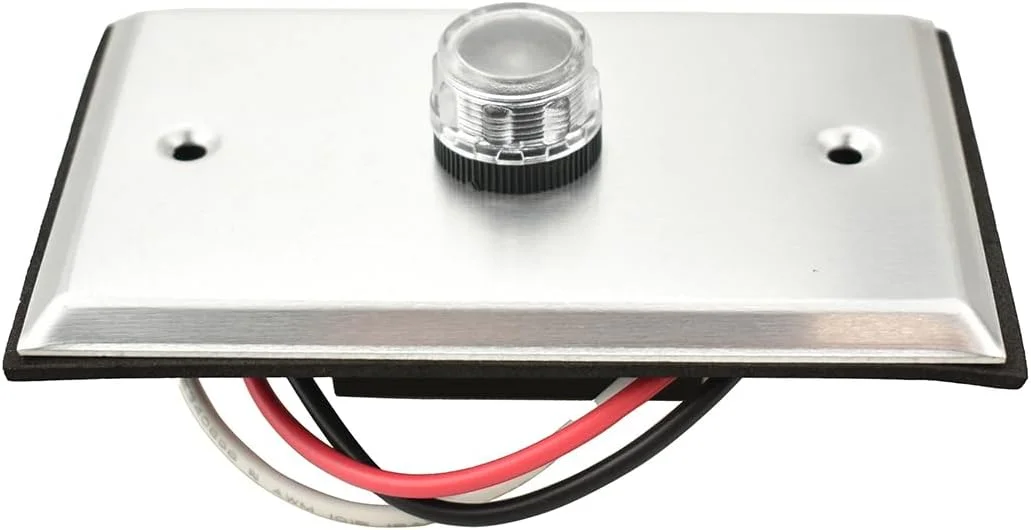
GDMQWSP Dusk to Dawn Sensor Photocell Switch at $11.99 is the same hardwired idea with wider shoulders: it handles 120 to 277 volts, is weatherproof with the wall plate and screws included, and carries 4.6 stars across 58 ratings. The honest cons: for a plain 120-volt household circuit it is overspecced — the extra voltage range is for yard circuits, post lights on outbuildings, and commercial-grade setups — and the same junction-box caveat applies as the J.LUMI.
My take: buy it when the circuit is the odd one — the 277-volt tolerance is the entire reason this unit exists, and at 120 volts the J.LUMI is the better $13.
OSKOS Outdoor Power Stake with Photocell Timer — The Plug-In Route
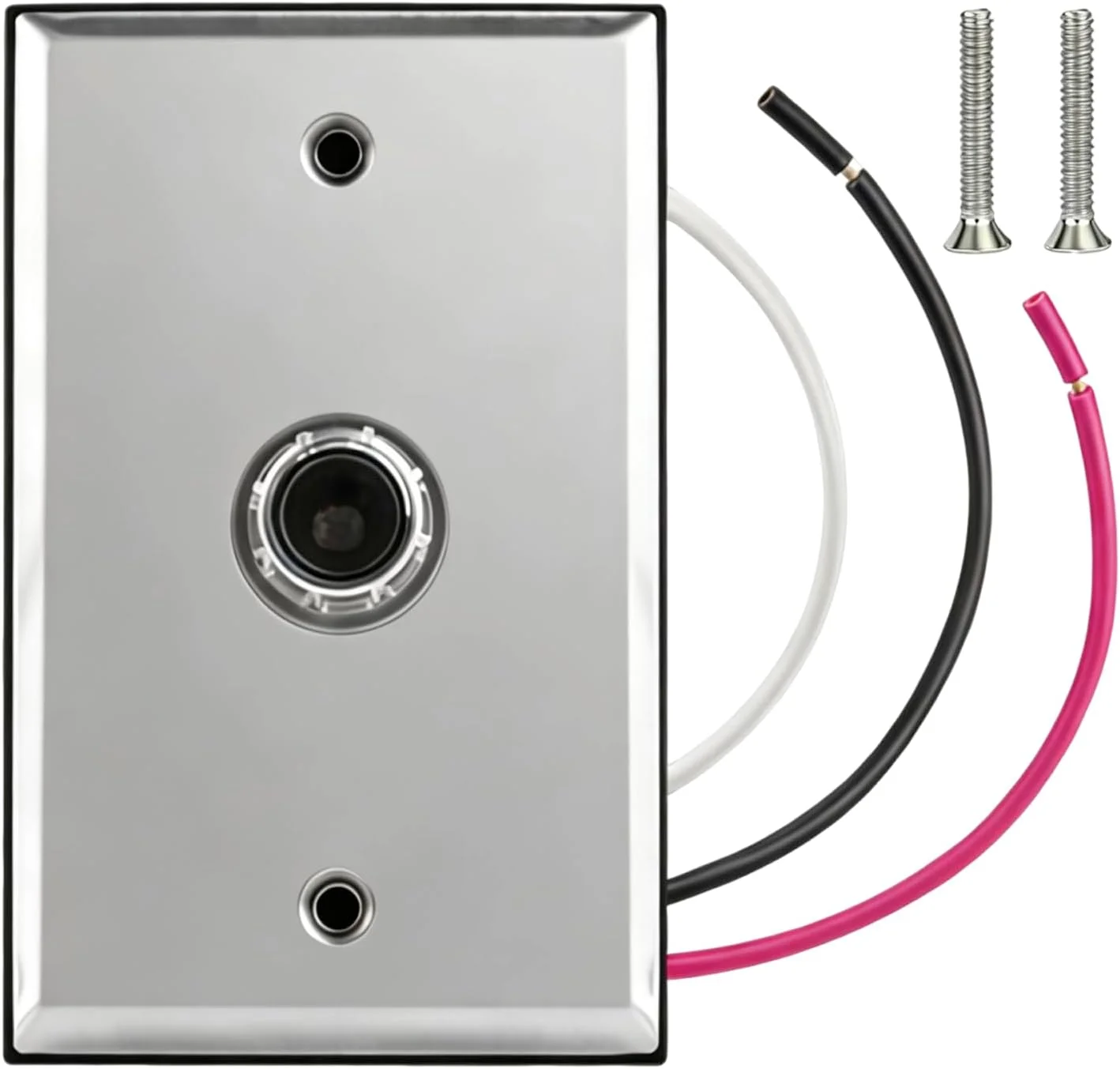
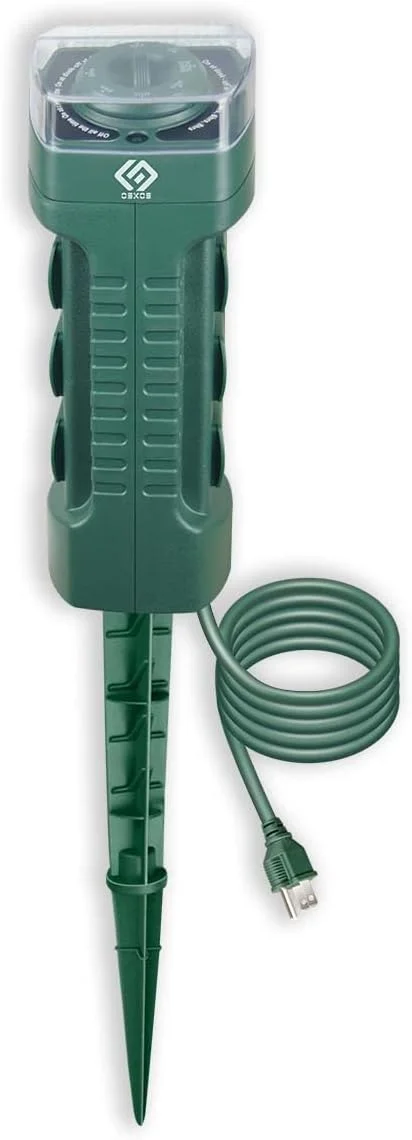
OSKOS Outdoor Power Stake with Photocell Timer at $18.99 is the answer for strands, projectors, and inflatables: six grounded outlets on a 6-foot cord, UL listed, in one green ground stake, with a dusk-to-dawn photocell mode plus a 2/4/6/8-hour countdown for the nights you want the display to end at bedtime. It carries 4.6 stars across 127 ratings. The honest cons: the stake body is plastic, so anchor it where the dog runs or the mower passes, and know what you are buying in energy terms — pure dusk-to-dawn means the display burns every dark hour of a December night, not a tidy six. That cost math is below, and the countdown timer is the cure.
My take: the renter’s and strands-runner’s pick — no wiring, no hub, and the countdown mode buys back the one real cost of photocell control.
Westek TM14DOLB — The Hardware-Store Standby
The Westek TM14DOLB photocell timer is the classic single-outlet stake your father probably owns — photocell dusk-to-dawn plus 2/4/6/8-hour timing on one grounded outlet, the unit that has sat in big-box hardware aisles for decades. The honest situation as I write: it has no clean Amazon listing — the search results are landing pages and third-party sellers, so the reliable route is the hardware store itself, matching the model number on the box. The honest con for a display build: one outlet, so a multi-strand yard needs a power strip or the OSKOS six-outlet stake above for about the same money.
My take: if you are already at the hardware store, the TM14DOLB is the proven beater — but ordering online for a multi-light yard, the OSKOS carries six outlets for about the same price.
Ordering the setup: a 30-day Amazon Prime free trial ships the sensors and the stake free, so the whole dusk-to-dawn build can be wired this weekend. (CleverHomeClub is an Amazon Associate; the prices are the same either way.)
What Actually Saves Money (And What Doesn’t)
The energy math, honestly: a typical 300-LED strand draws about 20 watts. Dusk-to-dawn in mid-December is roughly 14 hours, so 0.28 kWh a night — about 4.8 cents at 17 cents a kWh, or roughly $1.50 for the month. A 6-hour timer cuts that to about 63 cents. The photocell costs you about 85 cents a December versus a schedule — that is the entire price of never-dark reliability. Swap in your own rate, but the conclusion survives it.
What a schedule buys: the app-scheduled smart plug saves those 85 cents and costs you the setup, the hub dependence, and the forgetting. If you already own the plug, use the countdown mode on the stake instead of buying anything.
What never pays: a lighting “subscription” or hub just to run dusk-to-dawn. Photocells have done this job since the seventies with no firmware updates, no account, and no cloud outage — the privacy story is a bonus.
LED strands first: if your strands are still incandescent, the wattage runs roughly 5–10× higher and the energy math flips hard — the LED upgrade saves more than any control choice.
The Savings Summary
Build cost: sensor lane from $11.04 (Solus, lamp post) or $11.99–$12.98 hardwired, to $18.99 for the six-outlet plug-in stake — one-time, no subscription, no hub. Annual operating cost of the control itself: zero. The display never sits dark at 4:45 PM again, and the only ongoing cost is the 85-cent honest delta of full dusk-to-dawn versus a schedule — the cheapest reliability upgrade in the smart home, precisely because it is not smart at all.
Keep reading: the damage-free holiday lights setup covers mounting the strands this sensor will run, and the touchless faucet that never needed an app is the same lesson in another room.
CleverHomeClub is reader-supported. As an Amazon Associate, I earn from qualifying purchases. That means if you buy through one of the links above, I get a small commission at no extra cost to you. I only recommend devices I’d run in my own home.
🏠 Get Your Free Smart Home Setup Checklist
Join our newsletter and get this free printable plus weekly tips.
Frequently Asked Questions
Do photocell sensors work in winter?
Yes — photocells react to light levels, not temperature, so a 4:45 PM December dusk triggers them exactly like a June one. The one winter caveat: snow or ice covering the sensor eye can hold lights ON during the day, so mount it somewhere a broom can reach.
How much does a dusk-to-dawn sensor cost to run?
The sensor itself costs nothing — it only opens and closes a circuit. What costs money is the run time: a 20-watt strand burning full dusk-to-dawn uses about 0.28 kWh a night in mid-December, roughly 5 cents, versus about 2 cents on a 6-hour schedule. For most displays the difference is under a dollar a month.
Can you put holiday lights on a photocell instead of a timer?
Yes — a photocell is the simpler of the two, switching lights on at dark and off at dawn with nothing to program. A timer is the better choice only when you want the display to end before midnight; the plug-in stakes above include both modes in one unit.
Do you need an electrician to install a photocell?
The plug-in stake needs no wiring at all. The hardwired sensors need a junction box, wire nuts, and a breaker flip — comfortable DIY if you have done wiring work, a fifteen-minute electrician job if you have not. Renters should stay on the plug-in side.
Liked this guide? Get the next one in your inbox — the smart home starter checklist is free too.
✓ You're in — check your inbox.
No spam. Unsubscribe anytime. We never share your email.