This article contains affiliate links. We may earn a commission from qualifying purchases.
Some content on this site is AI-assisted and reviewed by our editorial team.
Smart Home Devices That Actually Cut Your Appliance Energy Costs
Last updated: May 2026 | By CleverHomeClub
Your appliances are probably costing you more than you think. Not because they are inefficient, but because they run when they do not need to. Water heaters keep water hot at 2 AM. Space heaters warm empty rooms. Old refrigerators in garages hum away cooling nothing. Smart home devices fix this waste by giving you visibility and control over exactly when and how your appliances use electricity.
This is not about smart thermostats alone. Real energy savings come from a combination of monitoring, scheduling, and automatic shutoff that targets the biggest energy hogs in your home. Here are the smart devices that actually make a measurable dent in your electric bill.

Why Appliance Energy Waste Is Hard to Catch
The average American household spends about 1,200 dollars per year on electricity. Of that, roughly 40 percent goes to appliances and electronics. The problem is that most of this consumption is invisible. Your utility bill shows one total number at the end of the month. You cannot tell whether your water heater, your old garage fridge, or your space heater is the biggest offender without measuring each one individually.
Smart home devices solve this in two ways. First, energy monitoring plugs and circuits give you per-device consumption data so you know exactly where your money is going. Second, scheduling and automation cut the waste by ensuring appliances only run when they are actually needed. The combination of insight and control is what drives real savings.
Whole-Home Energy Monitoring
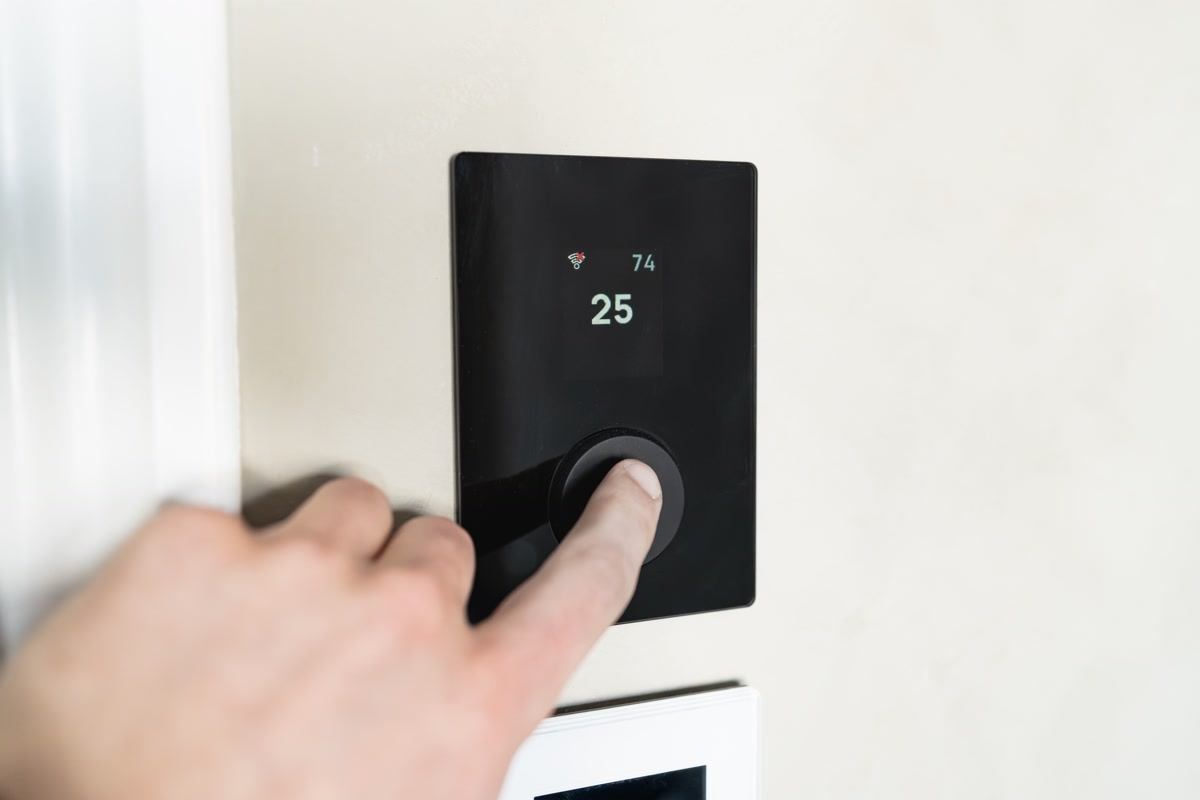
Before you can save energy, you need to know where it is going. Whole-home energy monitors install in your electrical panel and track total household consumption in real time. Some models also measure individual circuits, so you can see exactly how much power your water heater, HVAC, and kitchen appliances draw at any given moment.
1. Emporia Vue Gen 2 Energy Monitor (80 to 100 Dollars)
The Emporia Vue Gen 2 installs in your breaker panel and monitors up to 16 individual circuits alongside total home usage. This means you can track your water heater, EV charger, HVAC system, and major appliances separately. The app shows real-time usage, historical trends, and cost estimates based on your utility rate. After a month of data, most homeowners discover at least one surprise — usually an old appliance drawing far more power than expected.
- Monitors up to 16 individual circuits plus whole-home total
- Real-time power draw with 1-second resolution
- Historical data and cost tracking in the app
- Integrates with Home Assistant for custom automations
Best value:Emporia Vue Gen 2 (Compare prices on Amazon) — circuit-level insight that reveals where your electricity dollars actually go.
Smart Plugs for Per-Appliance Control
Once you know which appliances waste the most energy, smart plugs let you do something about it. The strategy is simple: plug each energy hog into a smart plug, then create schedules that match your actual usage. A water heater does not need to maintain full temperature at 3 AM. A garage fridge does not need to run its defrost cycle during peak rate hours. A space heater does not need to warm an empty room.
2. Kasa Smart Plug Mini with Energy Monitoring (15 to 20 Dollars Each)
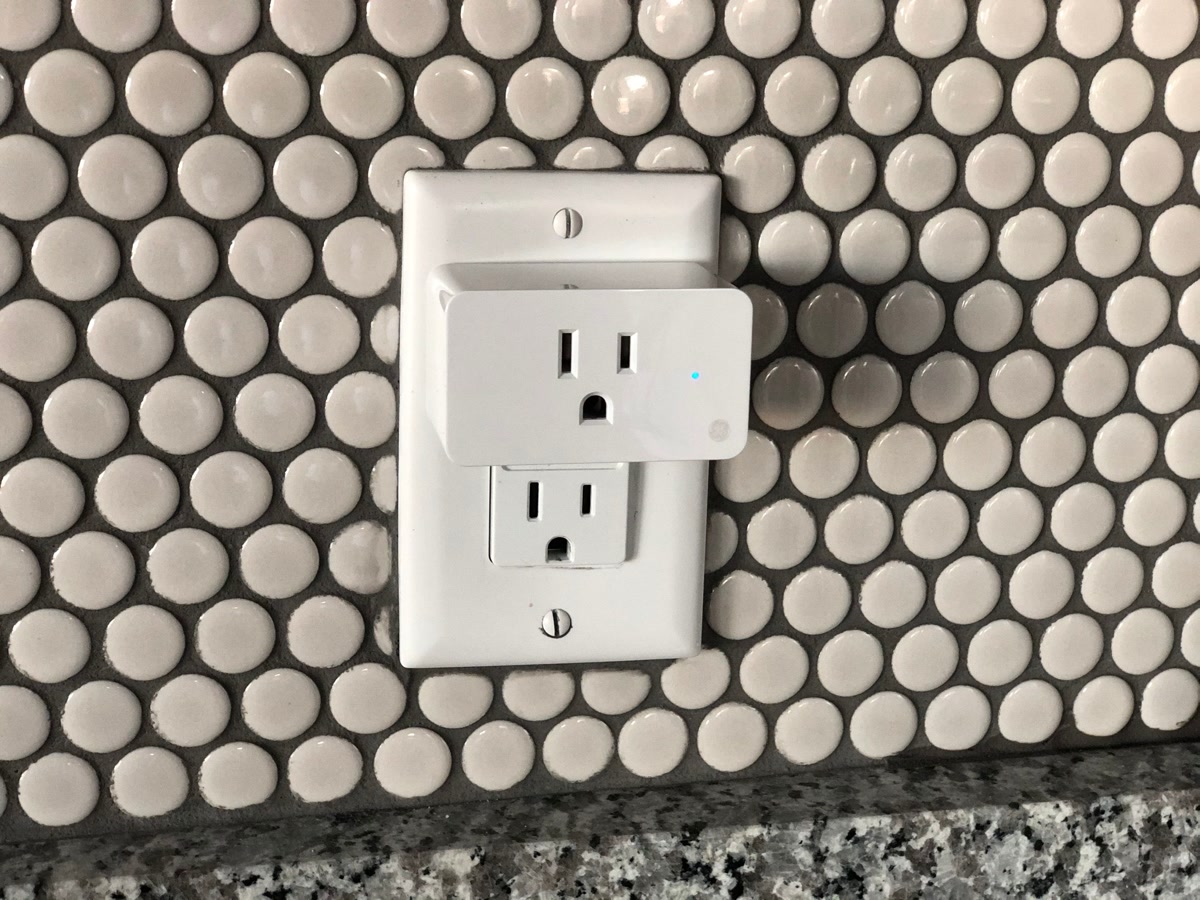
The Kasa Smart Plug Mini is the workhorse of appliance energy management. It fits two to an outlet, monitors energy consumption in real time, and supports schedules and countdown timers. Plug your space heater into one and set it to run only from 6 AM to 9 AM and 5 PM to 10 PM. Plug your garage fridge into another and track whether it is drawing more power than it should — a sign that the seals need replacing or the coils need cleaning.
- Compact design fits two plugs per outlet
- Real-time and historical energy monitoring
- Schedules, countdown timers, and away mode
- 15-amp rating handles most household appliances
Best value:Kasa Smart Plug Mini (Compare prices on Amazon) — the cheapest way to cut waste on individual appliances.
Smart Power Strips for Entertainment and Office
Entertainment centers and home offices are phantom power magnets. A TV, game console, soundbar, streaming box, and cable modem can draw 30 to 50 watts even when everything is turned off. Multiply that by 24 hours a day, 365 days a year, and you are paying for electricity that does absolutely nothing. Smart power strips solve this by cutting power to peripheral devices when the main device is off.
3. Kasa Smart Power Strip with 6 Outlets (30 to 40 Dollars)
The Kasa Smart Power Strip gives you six individually controlled outlets plus three USB charging ports. The individual control is the key feature: you can set the TV outlet to stay on while cutting power to the game console, soundbar, and streaming box when they are not in use. The energy monitoring feature shows you exactly how much phantom power each device draws, which is often surprising. Most people discover their entertainment center wastes more electricity than they expected.
- 6 independently controlled AC outlets
- 3 USB-A charging ports
- Per-outlet energy monitoring
- 1,370-joule surge protection
Best value:Kasa Smart Power Strip (Compare prices on Amazon) — kills phantom power on multiple devices from one strip.
Smart Thermostats for HVAC Savings
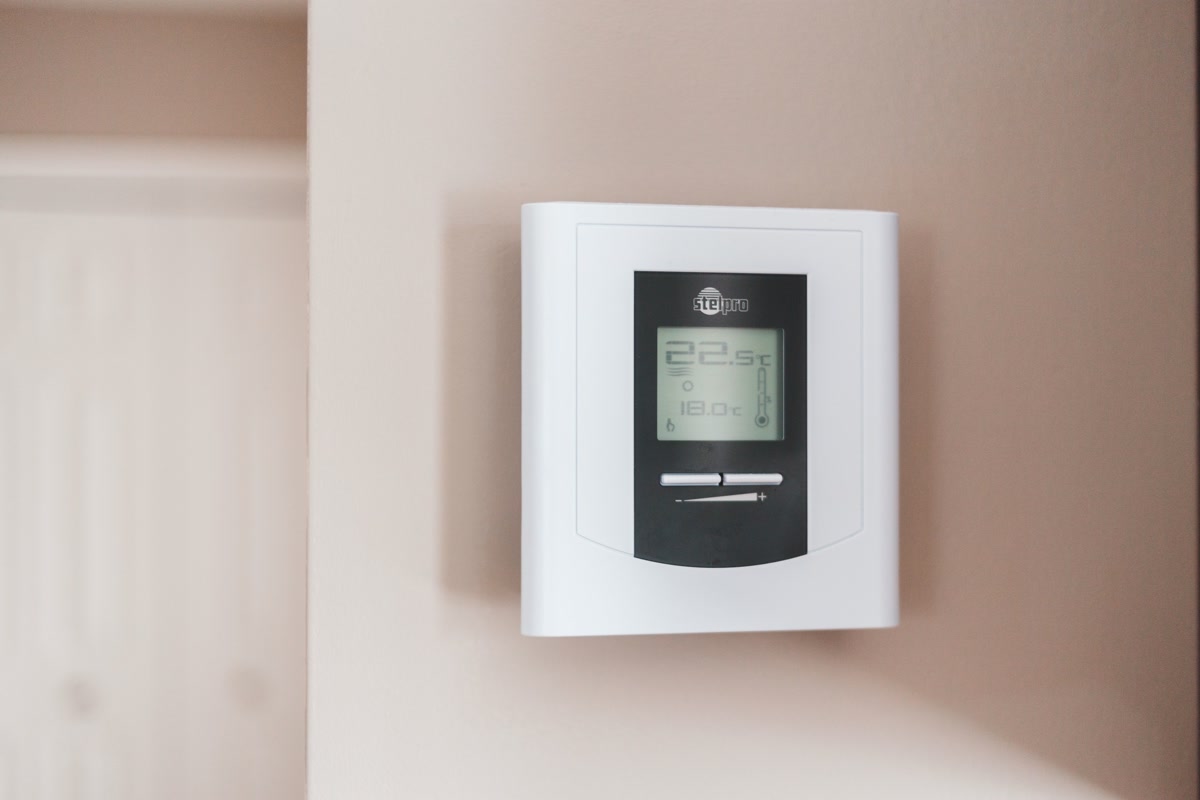
HVAC is the single largest energy expense in most homes, typically accounting for 40 to 50 percent of total electricity use. A smart thermostat pays for itself by optimizing heating and cooling schedules, adjusting when you are away, and learning your patterns over time. The savings are not trivial — most homeowners save 8 to 15 percent on heating and cooling costs after installation.
4. Ecobee Smart Thermostat Premium (200 to 250 Dollars)
The Ecobee Smart Thermostat Premium includes a room sensor that measures temperature and occupancy in whatever room you place it. This matters because the thermostat on your hallway wall does not know whether your bedroom is freezing or your office is roasting. The sensor lets Ecobee prioritize comfort in the rooms you actually use while saving energy in unoccupied areas. Over a year, this targeted approach typically saves more than basic schedule-only thermostats.
- Includes one SmartSensor for room-level temperature and occupancy detection
- Supports up to 32 additional sensors for whole-home coverage
- Built-in air quality monitor tracks VOCs, CO2, and humidity
- Works with Alexa, Google Assistant, Apple HomeKit, and Home Assistant
Best value:Ecobee Smart Thermostat Premium (Compare prices on Amazon) — room-level intelligence that saves more than basic scheduling alone.
Smart Water Heater Controllers
Water heating accounts for about 18 percent of home energy use. Most water heaters maintain tank temperature 24 hours a day, even when nobody is using hot water at 3 AM. A smart water heater controller lets you schedule heating to match your actual usage, which can cut water heating costs by 10 to 20 percent without any change in comfort.
5. Aquanta Smart Water Heater Controller (130 to 150 Dollars)
The Aquanta controller retrofits onto most existing electric or gas water heaters. It replaces your heater’s thermostat with a smart one that learns your usage patterns and heats water only when you need it. The app shows real-time energy consumption, temperature data, and leak detection alerts. You can also set vacation mode to turn the heater off completely when you are away, rather than paying to keep water hot in an empty house.
- Works with most electric and gas tank water heaters
- Learns usage patterns for automatic schedule optimization
- Leak detection alerts via app notifications
- Vacation mode saves up to 100 percent of water heating costs while away
Best value:Aquanta Smart Water Heater Controller (Compare prices on Amazon) — the biggest energy-saving upgrade nobody talks about.
Smart Lighting for Daily Savings
Lighting is not the biggest energy expense, but it is one of the easiest to optimize. Smart bulbs and switches with motion sensors and schedules ensure lights are only on when someone is in the room. Over a year, eliminating lights left on in empty rooms, closets, and garages saves more than most people expect.
6. Lutron Caseta Smart Switch Starter Kit (60 to 80 Dollars)
Lutron Caseta switches replace your existing light switches and connect to a small hub that plugs into any wall outlet. Unlike smart bulbs, they control whatever bulbs you already have — LED, CFL, or incandescent. The scheduling feature turns lights off automatically at bedtime. The geofencing feature turns off all lights when everyone leaves the house. And the motion sensor accessory turns lights on and off based on room occupancy, eliminating the most common waste: lights burning in empty rooms.
- Works with existing bulbs — no smart bulb replacements needed
- Includes hub, dimmer switch, and remote control
- Geofencing auto-off when you leave home
- Compatible with Alexa, Google Assistant, Apple HomeKit, and Home Assistant
Best value:Lutron Caseta Smart Switch Starter Kit (Compare prices on Amazon) — reliable switch-level control that works with any bulb type.
How Much Can You Actually Save
Real-world savings depend on your home, your appliances, and your current habits. But here are typical results from combining the devices above:
- Whole-home energy monitor: 5 to 10 percent savings through awareness and targeted changes
- Smart plugs on space heaters and fans: 10 to 25 percent savings on those devices
- Smart power strips on entertainment centers: 5 to 10 dollars per month in phantom power savings
- Smart thermostat: 8 to 15 percent savings on heating and cooling
- Smart water heater controller: 10 to 20 percent savings on water heating
- Smart lighting: 3 to 5 percent savings on total electricity
Combined, most households see a total reduction of 15 to 25 percent on their electric bill. On a 1,200-dollar annual bill, that is 180 to 300 dollars per year in savings. The devices pay for themselves within 6 to 18 months, depending on which ones you choose.
Bottom Line
Smart home energy savings are not theoretical. They come from specific, measurable changes: turning off appliances that run unnecessarily, scheduling heating and cooling to match your actual life, and eliminating phantom power on devices you are not using. Start with an energy monitor to identify your biggest waste, then add smart plugs and a smart thermostat to fix it. The data is surprisingly motivating — once you see exactly how much your water heater costs to run at 3 AM, you will want to fix it.
n
🏠 Get Your Free Smart Home Setup Checklist
Join our newsletter and get this free printable plus weekly tips.