This article contains affiliate links. We may earn a commission from qualifying purchases.
Some content on this site is AI-assisted and reviewed by our editorial team.
Let’s be honest — the garage is the forgotten room of the smart home. People will spend weeks debating which smart thermostat to buy, then completely ignore the biggest motorized door in their house. Most “smart garage” setups are just a MyQ hub that disconnects from Wi-Fi every other week and charges you a subscription to close your own door. That’s not smart. That’s a hostage situation.
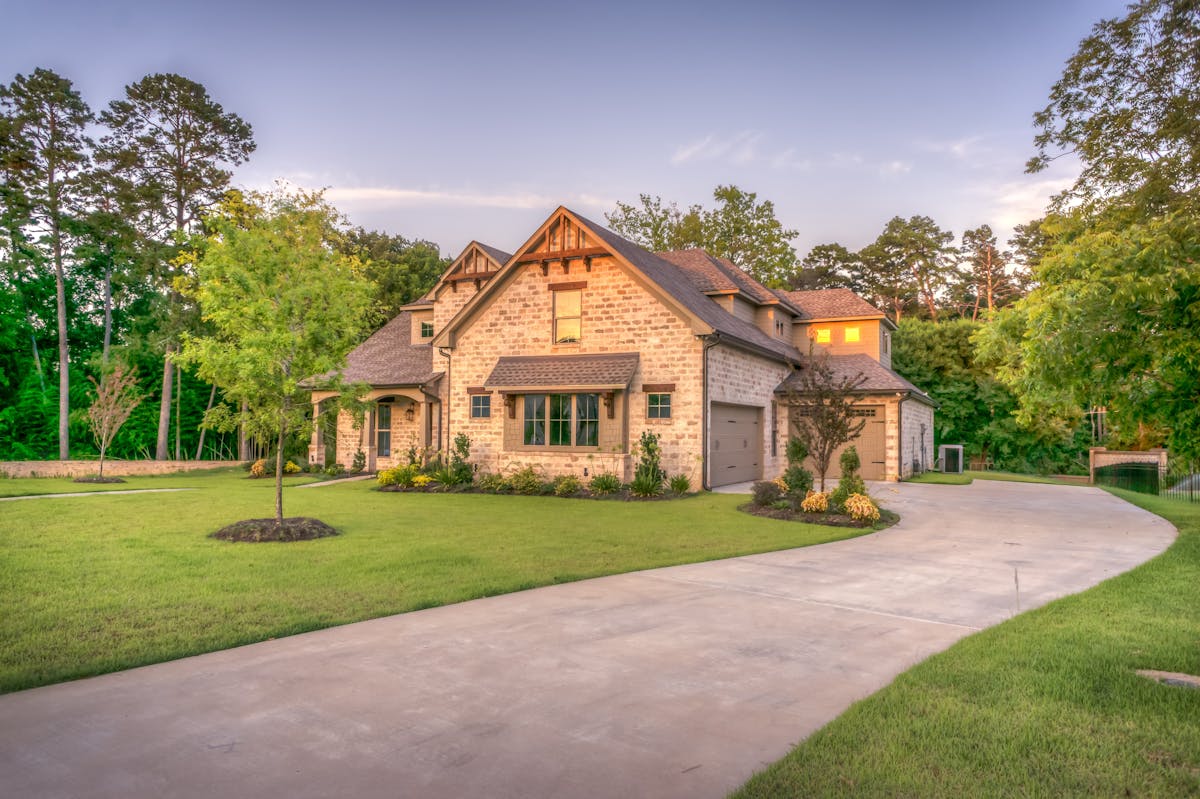
Here’s the thing: your garage is actually one of the easiest and most rewarding rooms to automate. It’s got big, obvious automations — is the door open? Is someone in there? Did I forget to close it when I left? — that make a real difference in your daily life. And because garages are simple, mostly-ignored spaces, the automations are straightforward and reliable. No finicky lighting scenes or multi-room orchestration required.
This guide isn’t just about which smart opener to buy (we’ve already covered that in oursmart garage door openers guide). This is about building a garage that actually works as part of your smart home — cameras that show you who’s coming and going, sensors that alert you when the door’s been open too long, lighting that turns on before you fumble for the switch, and automations that tie it all together. Let’s build something that earns the “smart” label.
What You Need Beyond
Just a Smart Opener
A smart opener is a good start, but it’s like having a smart lock on your front door and nothing else. You knowif the door is locked, but you can’t see who’s at it, can’t turn on the porch light automatically, and can’t set up a routine that locks the door when you leave. Same problem in the garage.
Here’s what a genuinely smart garage setup includes:
- A camera — to see who’s coming and going, check on
packages, and verify the door actually closed - A door sensor — to know the open/closed state
reliably (not just “the opener received a command”) - Smart lighting — motion-activated or scheduled,
because walking into a dark garage is how you trip over a bicycle - Temperature/humidity monitoring — because extreme
heat or cold can damage paint, chemicals, batteries, and anything else
you’re storing out there - An automation hub — Home Assistant, Alexa, or
Google Home to tie everything together into routines that actually
run
Individually, none of these are expensive or complicated. Together, they turn your garage from “that room with the Wi-Fi door thing that never connects” into the most automated space in your house. Let’s go through each piece.
Smart Garage
Camera: Tapo C120 (Under 35 Dollars)
If you’re only adding one device to your garage, make it a camera. Not for security paranoia — for actual utility. You want to see if the door closed when you drove away. You want to check if a package arrived. You want to know if the neighbor’s cat got in again.

TheTP-Link Tapo C120 is the camera I’d recommend for most garages, and it’s not even close. At around $30, it delivers:
- 2K QHD resolution — clear enough to read a license
plate or see what’s on a shelf - Starlight night vision — full color in
near-darkness, which matters because garages are often dim - IP66 weatherproofing — handles temperature extremes
and dust better than indoor-only cameras - Local microSD storage — no subscription required,
unlike Ring or Nest cameras - Motion detection with person/vehicle/pet
recognition — reduces false alerts from shadows and bugs - Two-way audio — tell the dog to get off the car, or
tell the delivery driver where to put the package
Check current pricing on Amazon
The big advantage over asmart doorbell camera in this context: the C120 livesinside the garage, pointing at the door and the interior. A doorbell camera only sees what’s right outside. You want coverage of the whole space — the door, the cars, the storage shelves.
Setup is dead simple with the Tapo app, and it integrates with Alexa and Google Home for voice viewing (“show me the garage camera”). If you’re running Home Assistant, there’s a Tapo integration that gives you full local control without cloud dependency.
Budget alternative: TheTapo C110 (around $20) drops to 1080p and loses the weatherproofing, but works fine for an insulated, temperature-controlled garage.
Garage
Door Sensor: Tailwind iQ3 Smart Garage Controller
Knowing whether your garage door is open or closed is the foundation of every garage automation. And here’s the dirty secret of most “smart garage” products: they don’t actually sense the door state. They sense whether the opener received a command. That’s a huge difference. “I told it to close” is not the same as “it closed.”
TheTailwind iQ3 is the best garage door controller/sensor combo on the market right now, and it’s not particularly close. Here’s why:
- Physical door sensor — an actual magnetic contact
sensor on the door rail, so you know the real state - No subscription — free app, free notifications,
free scheduling. MyQ’s competitor charges $30/year for the same
features - Geofencing built-in — automatically closes the door
when you drive away (works with both iOS and Android) - Works with ALL major opener brands — Chamberlain,
LiftMaster, Genie, Craftsman, Sommer, Overhead Door - Home Assistant native integration — local control,
no cloud dependency for automations - Dual door support — one controller handles two
garage doors
Check current pricing on Amazon
At around $80-90, it’s more expensive than the MyQ hub, but you make that back in the first year by not paying the subscription. And it actually works with Home Assistant, Alexa, and Google Home — MyQ famously broke their third-party integrations and then had the nerve to charge for their own app features.
If you already have a smart opener and just need a sensor, theGovee Wi-Fi Door Sensor (around $20) is a simpler option. It just reports open/closed state to the Govee app and integrates with Alexa and Google Home. Less capable than the Tailwind, but cheap and reliable for basic “is the door open?” monitoring.
Check Govee door sensor pricing
Smart
Garage Lighting: Sengled or Philips Hue Outdoor
Garage lighting is one of those things you don’t think about until you’re fumbling for the pull-chain in the dark while holding groceries. Smart lighting fixes this permanently.
For most garages, I’d go withSengled Smart LED bulbs — they’re cheap, they work, and you don’t need a hub if you’re fine with Wi-Fi control:
- Sengled Smart Wi-Fi bulbs (around $15-20 each) —
connect directly to your Wi-Fi, no hub needed - Motion automation — set them to turn on when the
garage door opens or when the camera detects a person - Scheduling — dim to 30% at 10 PM so you’re not
blinding yourself on a midnight snack run - Color temperature — set to cool white (4000-5000K)
for working in the garage, warm white for quick trips
Check Sengled smart bulbs on Amazon
If you’re already in the Philips Hue ecosystem, theHue Outdoor Floodlight orHue White Ambiance bulbs are the premium pick. They need the Hue Bridge, but they’re rock-solid reliable and integrate with everything. At $25-30 per bulb plus the bridge cost, they’re overkill unless you’re already Hue-invested.
Check Philips Hue outdoor lighting
The real magic comes from automating the lights — not just controlling them from an app. More on that in the Home Assistant section below.
Garage
Temperature Monitoring: Govee or SwitchBot Sensors
Here’s something most smart home guides never mention: your garage might be the worst environment in your house for the things you store in it. In summer, an uninsulated garage can hit 130°F+ — hot enough to degrade paint, melt candles, warp sporting equipment, and reduce battery life on everything from power tools to emergency flashlights. In winter, extreme cold can crack electronics and freeze liquids you forgot were out there.

AGovee Wi-Fi Temperature and Humidity Sensor costs about $15 and gives you:
- Real-time temperature and humidity monitoring via
the Govee app - Push alerts when temps exceed your thresholds
(e.g., above 100°F or below 32°F) - Data history — track patterns over days and
weeks - Alexa and Google Home integration — “what’s the
garage temperature?”
Check Govee temperature sensors on Amazon
For Home Assistant users, theSwitchBot Temperature and Humidity Sensor with the SwitchBot Hub is even better — it integrates directly into Home Assistant via local API, so your temperature automations work without cloud dependency. Around $20 for the sensor, $35 for the hub.
Check SwitchBot sensors on Amazon
What do you do with temperature data? Set up automations like:
- Alert your phone if garage temp exceeds 110°F (time to check on
stored items) - Turn on a smart plug with a fan if the garage gets above 95°F
- Send a warning if humidity drops below 20% (static electricity risk)
or spikes above 70% (mold risk)
Home
Assistant Integration: The Brains of Your Smart Garage
This is where your garage goes from “a few smart devices with apps” to an actually smart space. Home Assistant is the free, open-source home automation platform that ties everything together, and your garage is the perfect starter project for it.
If you haven’t set up Home Assistant yet, oursmart home automations guide walks through the basics. But here’s what matters for your garage specifically:
Connecting Your Devices
TheTailwind iQ3 has a native Home Assistant integration — add it through Settings → Devices & Integrations, enter your Tailwind credentials, and you get the garage door as a controllable entity immediately. No cloud dependency for basic open/close commands.
For theTapo C120 camera, install thetapo integration in Home Assistant. You’ll get a camera entity for live viewing, plus motion detection sensors you can use in automations.
Govee sensors connect via the Govee integration or, for local control, via Bluetooth using thegovee custom component.SwitchBot sensors connect through the SwitchBot integration with the Hub.
Sengled/Hue bulbs already integrate natively — they’ll appear as light entities you can control from any automation.
Essential Garage
Automations in Home Assistant
Here are the automations that make the biggest daily impact:
Auto-close after 30 minutes: When the garage door has been open for 30 minutes, automatically close it and send a notification. Adjust the time threshold based on how you use your garage — maybe 15 minutes for security-conscious folks, maybe 60 minutes if you’re frequently working in there.
Leave-home geofencing: When your phone (and your partner’s phone) leave the home zone, check if the garage door is open. If it is, close it and send a confirmation notification. No more “did I close the garage?” anxiety.
Nightly security check: At 10 PM every night, check: is the garage door open? If yes, close it and notify. Are the garage lights on? Turn them off. Simple, reliable, and it means you’ll never wake up to find the garage has been wide open all night.
Motion-activated lighting: When the garage camera detects a person OR the garage door opens, turn on the garage lights. After 10 minutes of no motion, turn them off. No more fumbling in the dark.
Temperature alerts: When garage temperature exceeds your threshold, send a push notification. If you have a smart plug with a fan or heater, you can automate that too.
Security Considerations
Your garage door controller can open your garage remotely — that’s powerful, and it needs protection. Check our guide on how tosecure your smart home from hackers for the full rundown, but the key points:
- Use strong, unique passwords for every device and service
- Keep your Home Assistant instance behind a VPN, not exposed directly
to the internet - Enable two-factor authentication on your Tailwind/Govee
accounts - Update firmware regularly — set a monthly reminder if your devices
don’t auto-update - Consider keeping your garage door sensor on a separate VLAN from
your main home network if you’re networking-savvy
Full
Automation Example: The “Leaving Home” Routine
Let’s put it all together. Here’s what a complete “leaving home” routine looks like when your garage is properly integrated:
Trigger: Both phones leave the home zone (geofencing via Home Assistant or your phone’s location)
What happens, in order:
- Garage door closes — if it’s open, Tailwind closes
it. If it’s already closed, this step is skipped. - Garage lights turn off — Sengled/Hue bulbs switch
off. No wasted electricity. - Security camera arms — Tapo C120 switches to active
monitoring mode with person detection alerts. - Front door locks — if you have a smart lock, it
locks automatically. - Security system arms — if you have a smart security
system (Ring, Simplisafe, etc.), it arms to “away” mode. - Confirmation notification — “You’ve left home.
Garage closed, lights off, security armed.”
Arrival routine (when you pull into the driveway):
- Garage door opens — geofencing or the Tailwind
auto-open feature detects your approach. - Garage lights turn on — you’re not walking into a
dark space. - Front door unlocks — if you have a smart lock.
- Indoor lights turn on — “welcome home” scene in
your living areas. - Security system disarms — if applicable.
This is what “smart garage” should feel like. Not opening an app and tapping a button. Not waiting for a cloud server to respond. Just… things happening automatically because you set them up once and they work every time.
The beauty of this setup is that each piece works independently too. The camera still records motion even if Home Assistant is down. The temperature sensor still alerts you even if your automations are off. You’re building redundancy, not creating single points of failure.
Conclusion: Recommended
Setups by Budget
Under 50 dollars (sensors only): – Govee temperature/humidity sensor ($15) – Govee Wi-Fi door sensor ($20) – Total: ~$35
This gets you awareness — you’ll know if the door is open and if the garage is too hot. No remote control, no camera, but the most critical information for the least money.
Under 150 dollars (sensors + camera): – Tapo C120 camera ($30) – Govee door sensor ($20) – Govee temperature sensor ($15) – Sengled Smart Wi-Fi bulbs x2 ($30) – Total: ~$95
You can see what’s happening, know the door state, monitor temperature, and control the lights. Add automations through the Alexa or Google Home app for basic routines.
Under 250 dollars (full setup): – Tapo C120 camera ($30) – Tailwind iQ3 smart garage controller ($85) – Govee temperature sensor ($15) – Sengled Smart Wi-Fi bulbs x2 ($30) – Total: ~$160
This is the sweet spot. Full door control with real sensing, camera coverage, lighting automation, and temperature monitoring. Works with Alexa, Google Home, or Home Assistant.
Premium setup (350+ dollars): – Tapo C120 camera ($30) – Tailwind iQ3 ($85) – SwitchBot Hub + Temperature Sensor ($55) – Philips Hue White Ambiance bulbs x2 + Hue Bridge ($90-120) – Home Assistant Green or Yellow hub ($70-150) – Total: ~$330-440
Full local control, no cloud dependency, premium lighting, and the foundation for expanding automation throughout your entire home. If you’re going to go deep on smart home, start here.
The garage is the easiest room in your house to automate. It’s got obvious problems (dark, open door, temperature extremes) with obvious solutions (lights, sensor, thermometer). Start with the budget setup, prove to yourself that it’s useful, and upgrade from there. Just don’t settle for a MyQ hub and call it done — your garage deserves better.
n
The Bottom Line
Start with the devices that deliver immediate value, then expand as budget allows. The best smart home is one that works so smoothly you forget it is there.
🏠 Get Your Free Smart Home Setup Checklist
Join our newsletter and get this free printable plus weekly tips.
Price Check
Prices verified via our product tracker. Updated Sep 27.
| Ring Outdoor Cam (Stick Up Cam), Weather-Resistant Home or | $99.98 | 4.5★ (65,431) |
| Tapo 2K+ Indoor/Outdoor Wired Security Camera, Baby Monito | $39.99 | 4.4★ (5,367) |
| meross Smart WiFi Garage Door Opener Remote Work with Alex | $108.78 | 4.4★ (5,877) |
| Lightinginside Smart Light Bulbs Work with Alexa/Google Ho | $39.90 | 4.3★ (1,699) |
| RAB Lighting LU160 Luminator Motion Sensor Outdoor Lights | $61.99 | 4.2★ |
| Frigga 4G Cellular Temperature & Humidity Monitor with Ema | $119.99 | 4.3★ (133) |
| TempPro TP50 Digital Hygrometer Indoor Thermometer Room Th | $15.99 | 4.6★ (155,603) |
As an Amazon Associate we earn from qualifying purchases.