This article contains affiliate links. We may earn a commission from qualifying purchases.
Some content on this site is AI-assisted and reviewed by our editorial team.
A Dash Cam for the Package-Season Parking Lot
December is the month your car works a second job. The delivery trucks double their stops, the porch pirates follow them, and the car parked outside overnight takes the dings, the scrapes, and the hit-and-runs that nobody ever leaves a note for. The parking-lot ding you cannot prove is a deductible conversation — typically $500 out of pocket — and it recurs every single winter. A dash cam with buffered parking mode is the one spec that turns a gadget into an actual security device: it runs while the car sleeps, and it keeps the fifteen seconds before the impact, which is the part that names the bumper that hit you. Here is the package-season lane, priced honestly, with the subscription math included — because most of this category quietly wants a monthly fee, and the best value in it does not.
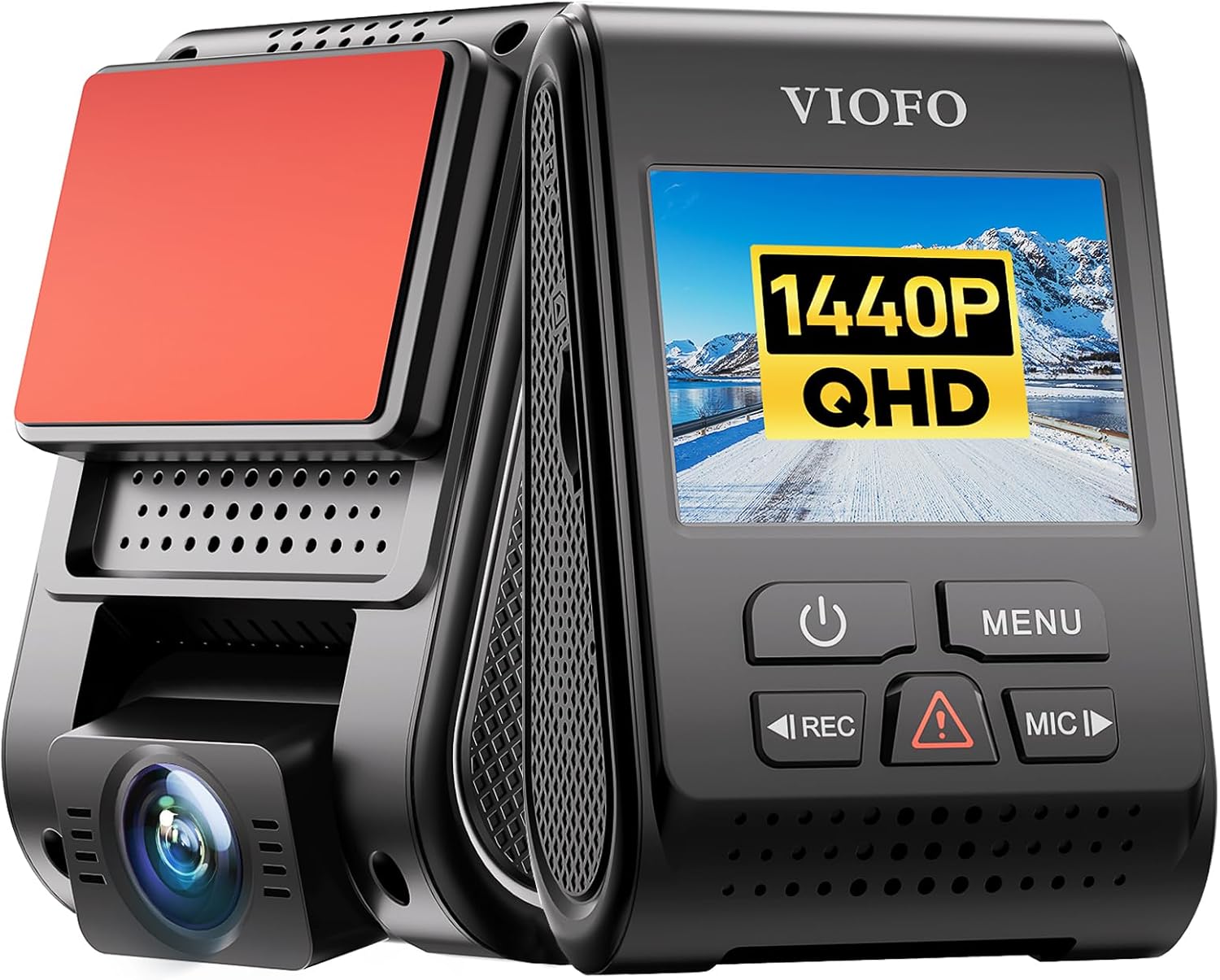
Four cams with real parking mode, from the $99 standard to the $500 ceiling that proves the standard’s point.
Viofo A119 V3 2K Dash Cam — The $99 Parking-Mode Standard
Viofo A119 V3 2K Dash Cam at $99.99 is the enthusiast’s value pick and the reason this whole lane has a sanity check. It shoots 1440p with GPS and true HDR, and — the whole point — it has proper buffered parking mode: the camera idles in low-power watch, and when something bumps the car, it saves the clip starting before the impact, not after. No app account, no cloud plan, no subscription screen between you and your footage; the SD card is the archive. The cons are the usual Viofo trade: the menu is fiddly enough that you set it once and never touch it again, and the mount is single-sided tape rather than a suction cup.
My take: the value line of the entire category — $99.99 once, zero a month, and the feature that actually catches the hit-and-run.
Viofo A119 Mini 2 — The Stealthy Compact
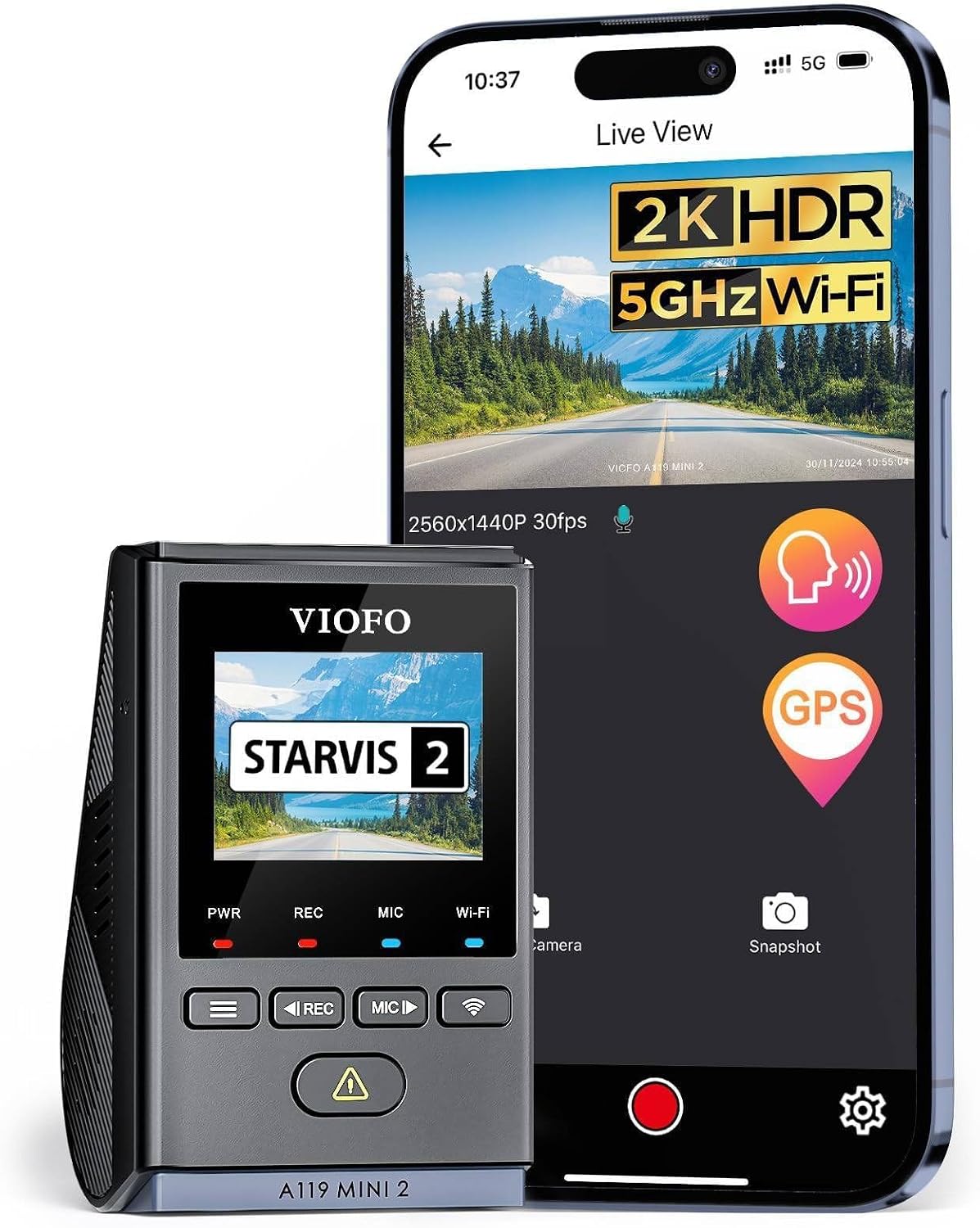
Viofo A119 Mini 2 at $119.98 is the A119 for windshields where a big camera blocks the sight line: a low wedge, a STARVIS 2 sensor, 2K at 60 frames, and the same no-account, no-subscription Viofo philosophy. It hides behind the mirror so well that passengers ask whether the car has a camera at all. The con is structural, not cosmetic: it is single-channel only. No rear unit, no second witness — if the story of your incident happens behind you, this camera never saw it.
My take: the pick for a clean windshield and a rental-friendly footprint; add a second unit for the rear window if the parking spot is behind you.
70mai X800 4K Front and Rear — The Dual-Channel Pick
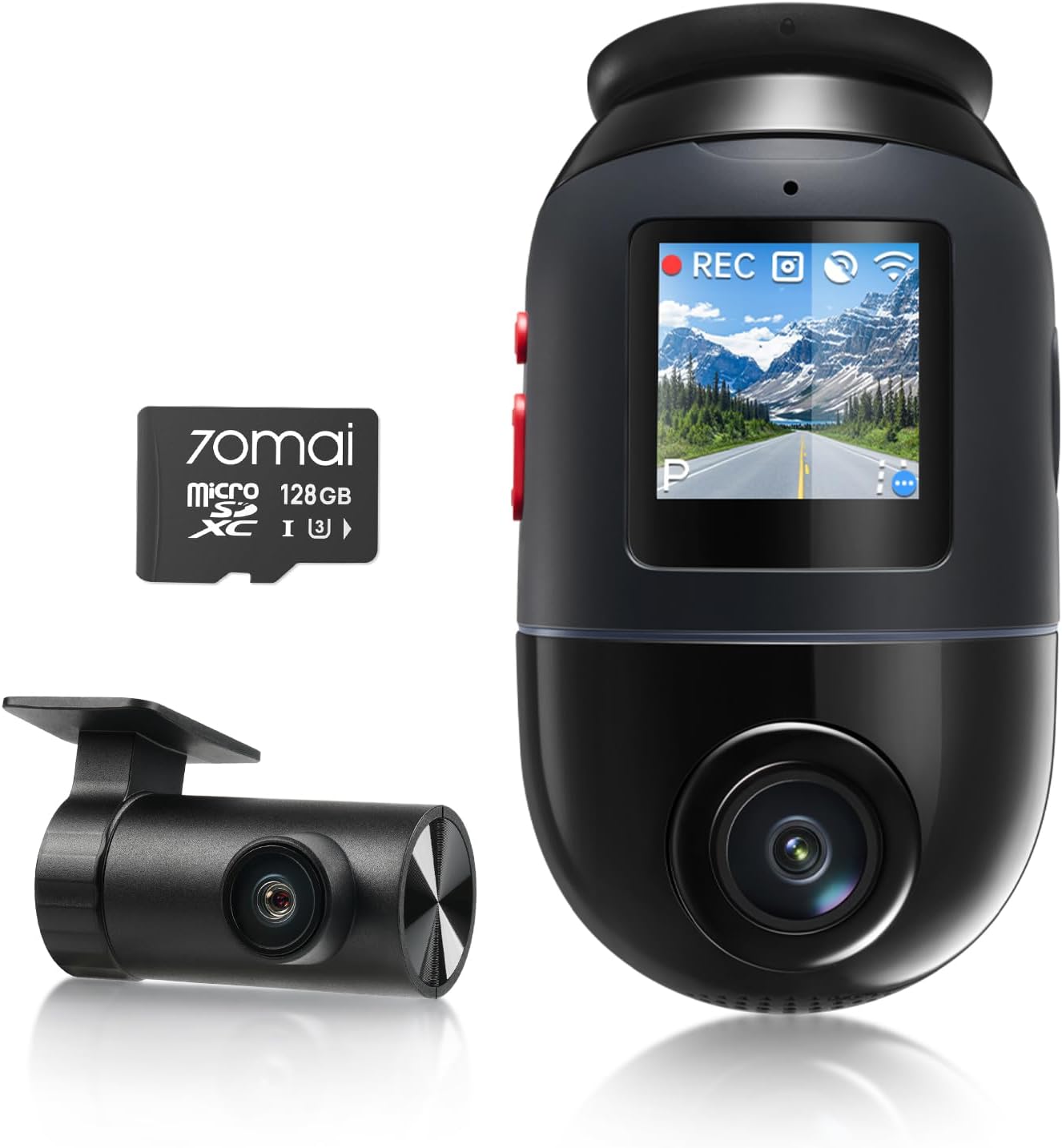
70mai X800 4K Front+Rear Dash Cam at $249.99 covers both ends of the car in one box: 4K front with a Sony IMX678 sensor, a rear camera for the other half of every story, GPS, parking monitor, and the modern extras like 4G LTE and voice control. That dual coverage is exactly what a package-season parking spot wants — front bumper and rear bumper are both liability now. The cons are honest ones: the app wants an account and it pushes the cloud upsells hard, and the 4G features pull the whole experience subscription-ward. Use the SD card, skip the plan, and it is still a very good two-camera system.
My take: the two-witness pick if both ends of the car face risk — just decline the cloud at setup and let the card do its job.
Nextbase 622GW 4K (128GB Bundle) — The Premium Comparison
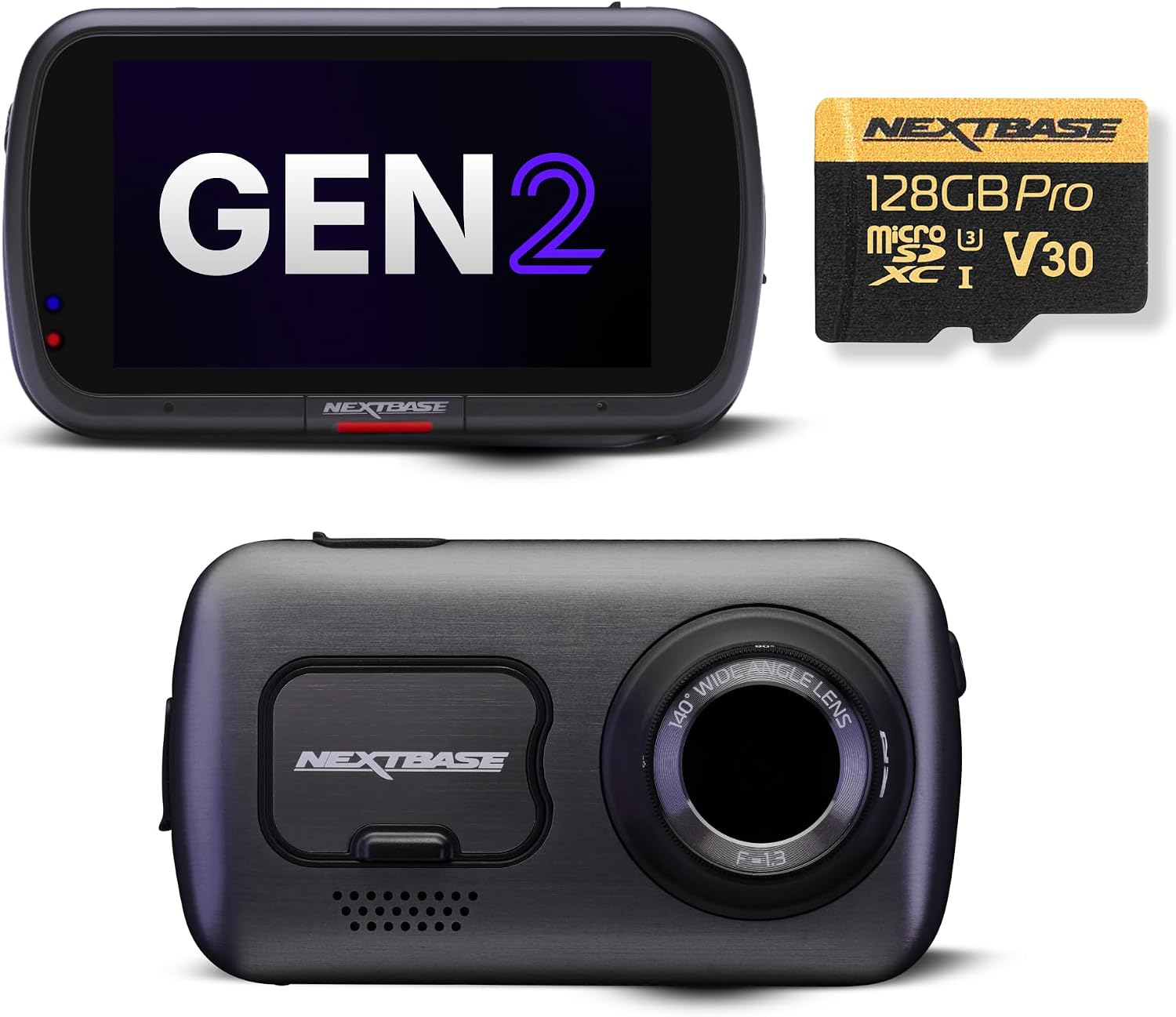
Nextbase 622GW Dash Cam (128GB Memory Card Bundle) at $499.98 is the spec-sheet ceiling of the lane: true 4K, Alexa built in, what3words for emergency location, image stabilization, a touchscreen, and a bundle that includes the memory card. It is here less as a recommendation than as a price marker — this is what the premium end costs, and its listings rotate through bundles constantly, so match the model number at checkout. The con is the arithmetic: five hundred dollars is five A119 V3s, one parking-lot deductible, or both ends of your car covered twice over by the dual-channel competition.
My take: the ceiling that proves the floor — the 622GW is lovely, and the Viofo at one-fifth the price still catches the same hit-and-run.
What’s the Best Dash Cam With Parking Mode Under $100?
The Viofo A119 V3 at $99.99 is the answer, and it is not close: real buffered parking mode, GPS, HDR, and no subscription, in a wedge that costs a fifth of the premium lane. If your parking spot faces rear-first, spend the difference on the $249.99 70mai X800 for two-channel coverage instead of a shinier single camera.
| Cam | Live price | Channels | Monthly fee |
|---|---|---|---|
| Viofo A119 V3 | $99.99 | Front | None |
| Viofo A119 Mini 2 | $119.98 | Front | None |
| 70mai X800 | $249.99 | Front + rear | Cloud optional, pushy |
| Nextbase 622GW bundle | $499.98 | Front | None required |
Dash cams are a classic Black Friday lane — prices move all week. A free 30-day Prime trial covers the order, and starting your Amazon trip from our Shop page supports the site at no extra cost.
What Actually Saves Money (And What Doesn’t)
- Buffered parking mode is the whole feature. A camera that only starts recording after the bump missed the bumper. Pre-impact buffering is the difference between evidence and a rumor.
- The hardwire kit is mandatory for parking mode. The 12V socket dies with the ignition. A hardwire kit with a low-voltage cutoff feeds the camera from the battery and cuts it before the car cannot start — without one, parking mode is a feature you own but never use.
- Buy a high-endurance microSD card. Parking mode writes constantly. The spare card from a drawer phone will die mid-December; the high-endurance ones are built for exactly this loop.
- 4K in a dark lot loses to 2K HDR. At night, the sensor matters more than the pixel count — the A119 V3’s HDR pulls plates the 4K bragging rights cannot.
- The subscription math: cloud plans in this lane are optional everywhere on this page, but the apps will keep asking. Every declined plan is a saved monthly fee; the Viofo’s total cost of ownership is the sticker price, full stop.
The Savings Math
- One proved claim: a single parking-lot incident settled with footage instead of your word is typically a $500 deductible you keep, against a $99.99 camera plus a hardwire kit. The cam pays for itself the first time it settles who tapped the bumper.
- Every year after: $0 in fees. The no-subscription cams cost nothing to keep running.
- What the premium lane costs you: the $499.98 bundle is the same evidence as the $99.99 Viofo — the other $400 buys Alexa in the car, not better parking footage.
Keep reading: how to tell if a Black Friday smart home deal is real is the buying-side checklist for any of these this week, and what’s safe to buy used in smart home gear covers the secondhand dash cam question honestly.
CleverHomeClub is reader-supported. As an Amazon Associate, I earn from qualifying purchases. That means if you buy through one of the links above, I get a small commission at no extra cost to you. I only recommend devices I’d run in my own home.
🏠 Get Your Free Smart Home Setup Checklist
Join our newsletter and get this free printable plus weekly tips.
Frequently Asked Questions
What is buffered parking mode on a dash cam?
The feature that catches the hit-and-run: the camera idles in a low-power watch and, when a bump wakes it, saves the clip starting fifteen seconds before the impact — not after it. The Viofo A119 V3 ($99.99) does exactly this with no subscription attached.
Do dash cams work when the car is off?
With parking mode and a hardwire kit, yes — the camera draws a trickle from the battery, and the kit's low-voltage cutoff shuts it down before the car cannot start. Without the hardwire kit, the 12V socket dies with the ignition and so does the recording.
Is 2K or 4K better for a dash cam?
At night, 2K with true HDR beats 4K without it — a sharp 1440p sensor pulls license plates that a bigger pixel count misses in a dark lot. That HDR is the reason the Viofo A119 V3 outperforms pricier 4K cameras where it matters, which is a parking lot at 3 a.m.
Do dash cams drain the car battery?
Parked recording draws a small current, which is why the hardwire kit matters: its low-voltage cutoff powers the camera down at a battery threshold you set. Run parking mode off a bare 12V line with no cutoff and eventually it can strand you.
Liked this guide? Get the next one in your inbox — the smart home starter checklist is free too.
✓ You're in — check your inbox.
No spam. Unsubscribe anytime. We never share your email.