This article contains affiliate links. We may earn a commission from qualifying purchases.
Some content on this site is AI-assisted and reviewed by our editorial team.
Your Laundry Room Is Smarter Than You Think
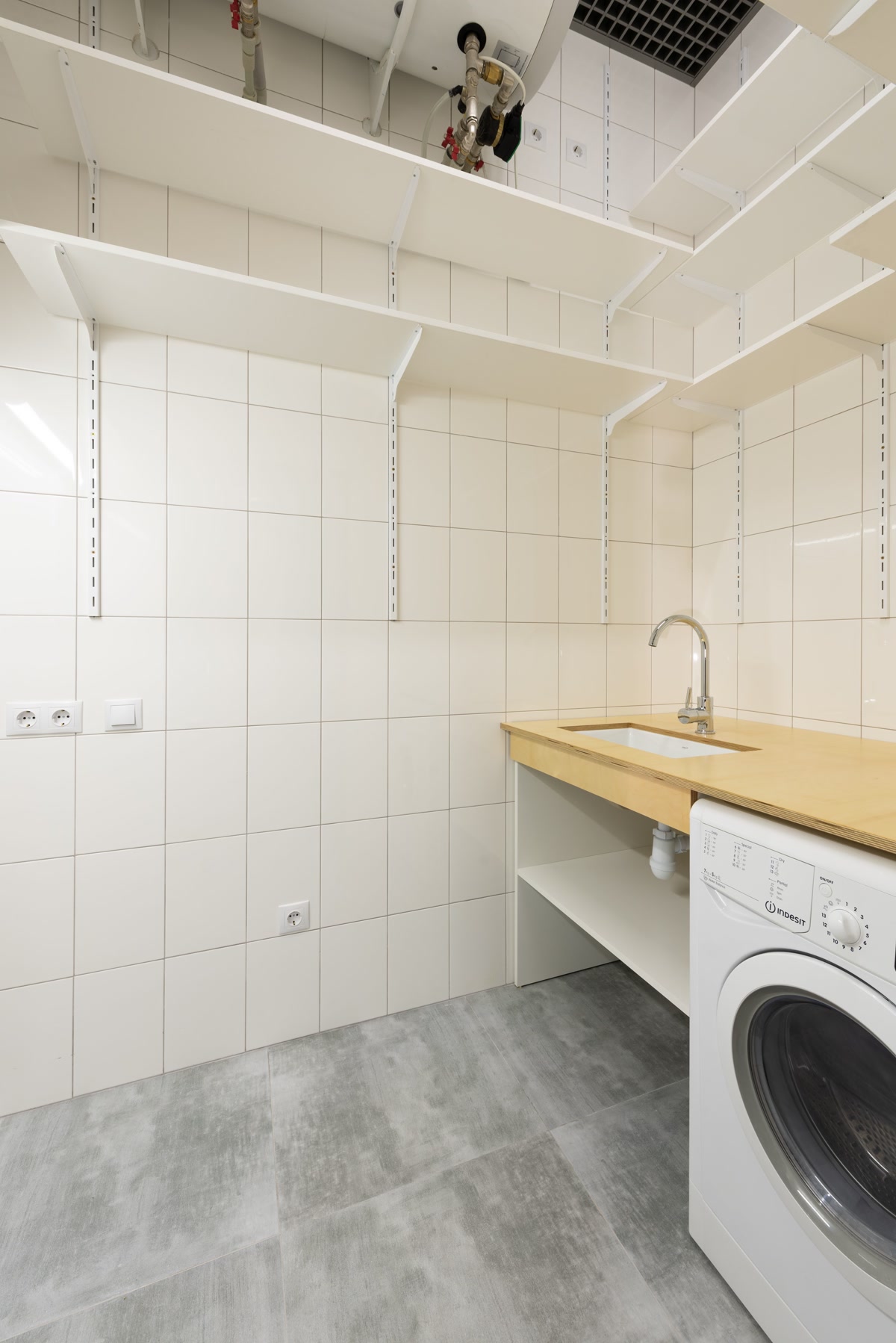
Most people treat the laundry room as a dead zone in their smart home. The washer and dryer sit there, vibrating against the wall, while every other room gets sensors, cameras, and voice control. But laundry is where smart devices can save you the most money and prevent the most damage — a single undetected leak from a washing machine costs an average of $5,000 in repairs, and running your dryer during peak electricity hours adds up over a year.
This guide covers the smart devices that actually make your laundry room better, the automations worth setting up, and the ones that are just expensive gimmicks.

The Devices That Actually Matter
Smart Water Leak Detectors — The Most Important Device in This Guide
Washing machine hoses fail. Supply lines crack. Drain hoses clog and overflow. Asmart water leak detector placed under your washer catches these problems before they become five-thousand-dollar insurance claims.
Place one under the washing machine, one behind the dryer (if you have a condenser model that drains), and one near the water shutoff valve. When water hits the sensor, you get a phone notification in seconds. Some models can even trigger a smart water shutoff valve automatically.
- Best budget: Govee Wi-Fi Water Leak Detector — under $20 each, loud alarm, phone alerts
- Best for whole-home: Moen Flo Smart Water Monitor — detects tiny leaks anywhere in your plumbing, but costs $400+ and requires professional installation
- Best for Home Assistant: Aqara Water Leak Sensor T1 — Zigbee, long battery life, local control
Smart Plugs for Washers and Dryers
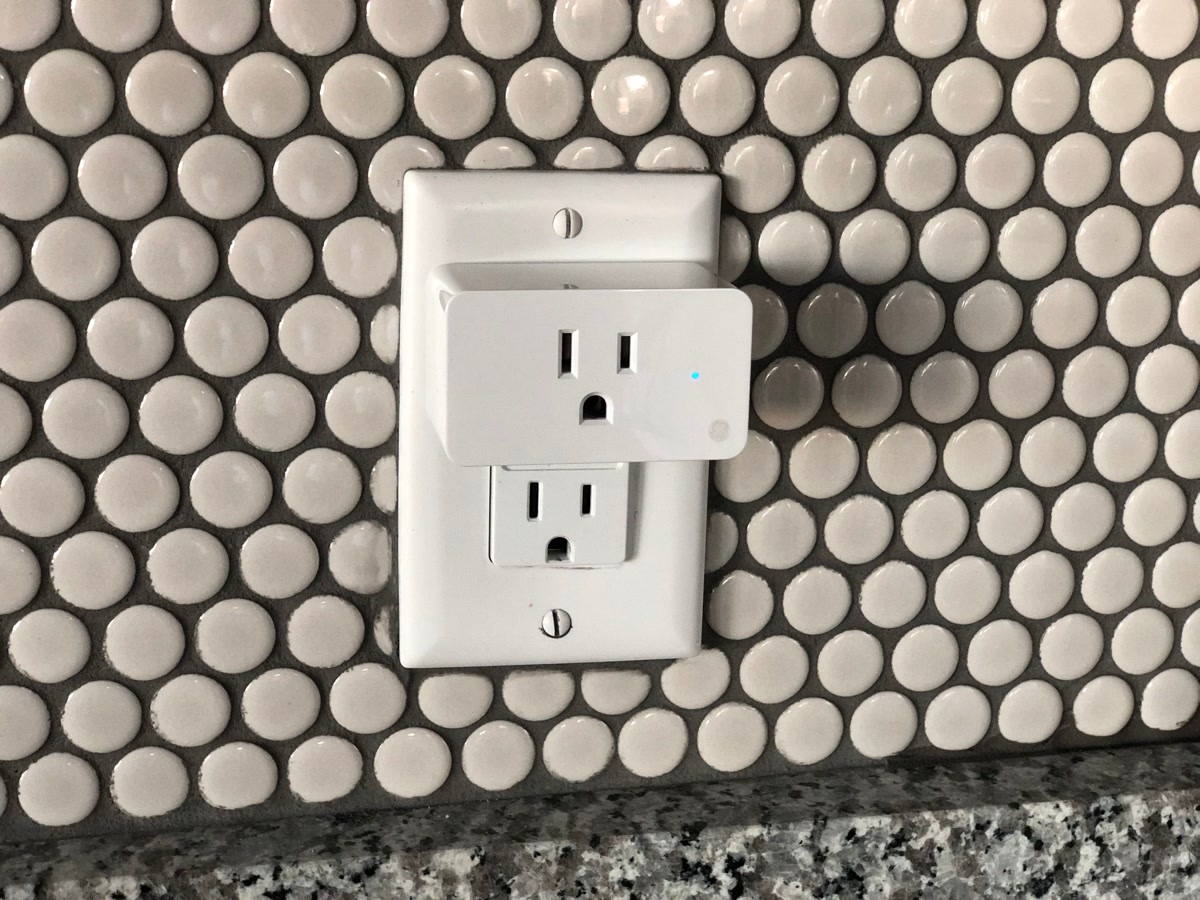
Asmart plug with energy monitoring on your washer does two things: it tells you when a cycle finishes (power drops to idle) and it tracks how much electricity each load costs. On your dryer, a smart plug can tell you when the dryer is done and how much energy different settings use.
This sounds minor until you realize you can automate around it:
- Get a phone notification when the washer finishes (no more forgetting wet clothes for hours)
- Have Alexa announce “the dryer is done” through your Echo speakers
- Trigger a smart plug to turn off an iron or garment steamer 30 minutes after the dryer stops (safety automation)
- Track energy costs per load to see if cold water washes actually save money (they do — about $0.50 per load)
Which plugs work: Kasa KP125M (Matter, energy monitoring, $18) or Tapo P110M (Matter, similar price). Both support Alexa, Google Home, and Home Assistant through Matter.
Smart Washing Machines — Are They Worth It?
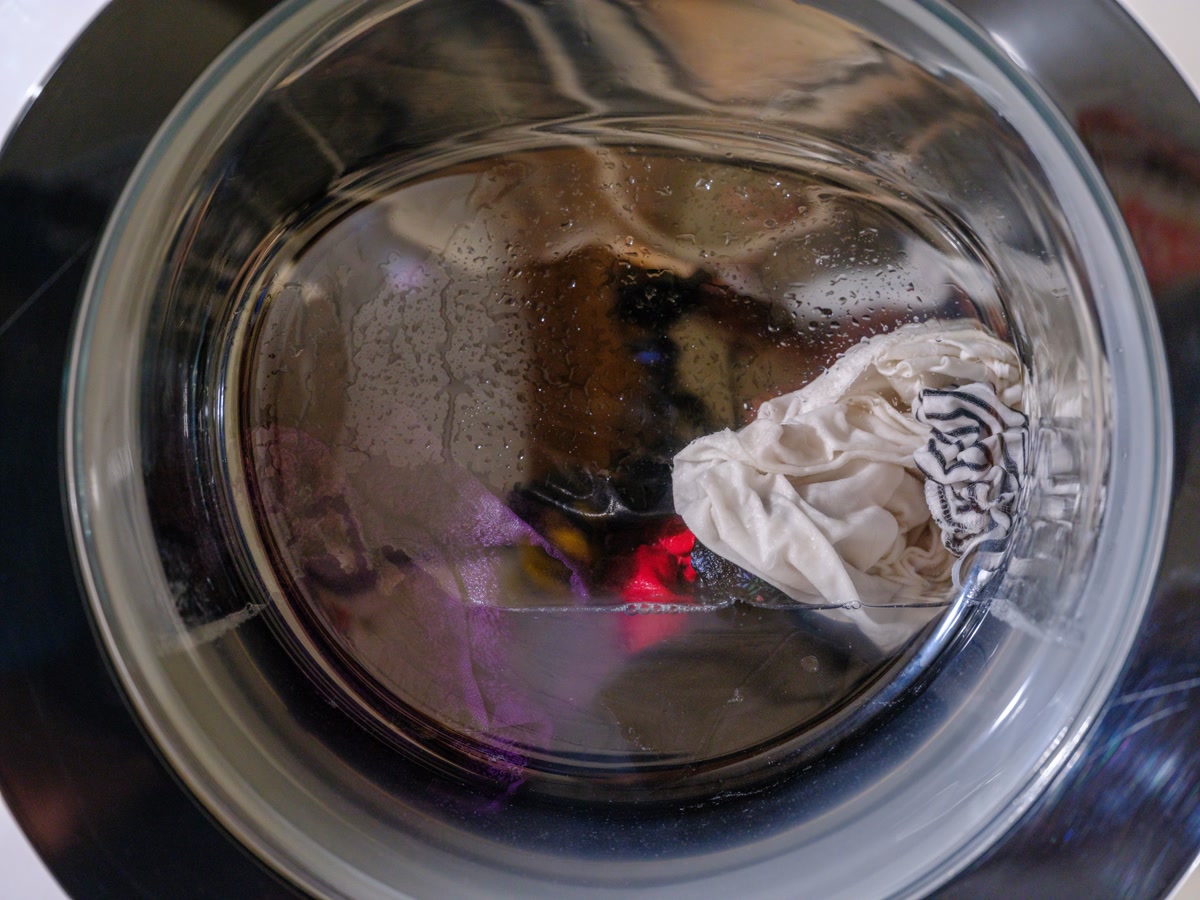
Smart washers from Samsung, LG, and Whirlpool connect to Wi-Fi and offer cycle notifications, remote start, and detergent ordering. TheSamsung Bespoke AI Washer even auto-doses detergent based on load size and soil level.
Here is the honest assessment: smart washing machines are nice but not necessary. The main benefit is cycle notifications on your phone, which a $20 smart plug already gives you. Remote start sounds useful but most people do not use it because you still need to load the clothes. Auto-dosing is genuinely helpful if you regularly use too much detergent (which most people do, and it damages clothes over time).
Buy a smart washer if: you need a new washer anyway and the smart features cost less than $100 more than the non-smart version. Do not pay a $400 premium for Wi-Fi.
Smart Dryers and Dryer Sensors
Smart dryers offer the same connectivity as smart washers, but one feature actually matters: moisture sensors that stop the dryer when clothes are done instead of running on a timer. This saves energy and prevents over-drying (which ruins elastic and shrinks fabrics).
If your current dryer lacks moisture sensing, you can add it with asmart dryer sensor accessory that plugs into your dryer’s diagnostic port and sends cycle-complete notifications to your phone. It costs $30 instead of $1,000 for a new dryer.
Vibration Sensors for Unbalanced Loads
An unbalanced washer walking across the laundry room floor is annoying. A vibration sensor like theSamsung SmartThings Multipurpose Sensor mounted on top of your washer can detect violent shaking and send you an alert to rebalance the load before your machine damages itself or leaks.
In Home Assistant, you can automate this further: if vibration exceeds a threshold for more than 60 seconds, turn off the smart plug powering the washer. This is a real safety feature, not a gimmick.
Automations That Actually Save Time and Money
Washer Finished Notification
Set up a notification when your smart plug detects the washer’s power draw drops below 5 watts. This means the cycle is done. No more damp clothes sitting for three hours because you forgot.
- Alexa routine: When Kasa smart plug power drops below threshold, Alexa says “The washing machine is done”
- Home Assistant: Trigger on power state change, send mobile notification
- Google Home: Similar routine through Google Home app
Dryer Complete Alert
Same concept for the dryer. Power drops to idle, you get a notification. Add a 5-minute delay before the alert so you do not get false triggers from cool-down cycles.
Time-of-Use Energy Automation
If your utility charges more for electricity during peak hours (many do), automate your smart plug to only allow the dryer to run during off-peak times. A smart plug schedule can block power from 4 PM to 9 PM when rates are highest.
This can save $50 to $100 per year depending on your utility’s rate structure and how often you do laundry.
Leak Detection to Auto Shutoff
The most valuable automation: if the leak detector under your washer senses water, automatically trigger asmart water shutoff valve to cut water to the entire house. This turns a potential $5,000 flood into a wet floor you mop up.
You need a motorized shutoff valve (about $100-$150) and a way to link it to the leak sensor. Home Assistant handles this natively. Alexa and Google Home can do it if both devices are from the same ecosystem.
What Is Not Worth Buying
- Smart detergent dispensers — They auto-dispense detergent, but you still have to fill the reservoir monthly. It saves 10 seconds per load. Not worth $50.
- Wi-Fi enabled lint trap sensors — You should clean your lint trap every load. A sensor that tells you it is full does not help if you already ignore the physical lint trap.
- Smart laundry baskets — Yes, this is a real product. It weighs your clothes and tells you when you have enough for a load. Just look in the basket.
- Foldable robots — They exist. They cost $16,000. They cannot handle fitted sheets. Skip.
Building a Smart Laundry Room on a Budget
You do not need a $1,500 smart washer to have a smart laundry room. Here is the budget setup that covers 80 percent of the value for under $100:
- 2x Govee water leak detectors — $30 (one under washer, one near shutoff valve)
- 1x Kasa KP125M smart plug — $18 (on the washer for cycle notifications and energy tracking)
- 1x Aqara door sensor — $15 (on laundry room door for light automation)
- 1x smart bulb or switch — $12 (laundry room light)
Total: about $75. This gets you leak protection, cycle notifications, and automatic lighting. Add a second smart plug for the dryer and you are at $93 with full laundry room coverage.
For Home Assistant Users
If you run Home Assistant, your laundry room can be the most automated room in the house. Key integrations:
- Power monitoring: Use smart plug power draw to create washer/dryer state sensors (idle, running, finished)
- Vibration detection: Samsung SmartThings Multipurpose Sensor on the washer for unbalanced load alerts
- Leak automation: Leak sensor triggers smart shutoff valve + phone notification + hallway smart light flashes red as a visual alert
- Dryer lint reminder: After every 5 dryer cycles (tracked by power state changes), send a notification to clean the lint trap
- Energy dashboard: Track washer and dryer energy costs on your Home Assistant energy dashboard to see exactly what each load costs
The Bottom Line
Your laundry room does not need a smart washer or dryer. It needs leak detectors, a smart plug for cycle notifications, and maybe a vibration sensor for unbalanced loads. That combination costs under $100 and prevents the two biggest laundry room problems: water damage and forgotten wet clothes. Smart washers and dryers are fine if you are buying new anyway, but do not upgrade working appliances just for Wi-Fi. The real smart home upgrade for your laundry room costs less than a single bottle of laundry detergent per month in energy savings.
n
🏠 Get Your Free Smart Home Setup Checklist
Join our newsletter and get this free printable plus weekly tips.