This article contains affiliate links. We may earn a commission from qualifying purchases.
Some content on this site is AI-assisted and reviewed by our editorial team.
Smart plugs are the easiest, cheapest entry point into home automation. You plug one into the wall, plug a lamp or appliance into it, and suddenly “turn off the living room light” is something you can say out loud and have it actually happen.
But “cheapest” doesn’t mean you should buy the cheapest one. Some smart plugs are reliable, secure, and future-proof. Others are Wi-Fi nightmares that stop working when the cloud goes down, phone home your data to unknown servers, or just… randomly disconnect at 2 AM.
I’ve tested over 20 smart plugs in the past year. Here are the ones worth buying in 2026, organized by what you need them for.
Quick Picks: Best Smart Plugs by Category
–Best overall: TP-Link Kasa Smart Plug Mini (EP10), cheap, reliable, works with everything
–Best with Matter: TP-Link Kasa EP25 — Matter + energy monitoring + HomeKit support
–Best for energy monitoring: Eve Energy (Matter), Thread-based, detailed power tracking, 100% local
–Best budget: Meross Matter Smart Plug, cheapest Matter-compatible plug you can buy
–Best for outdoor use: Kasa Smart Outdoor Plug (KP401), weatherproof, two outlets, long-range Wi-Fi
Best Overall: TP-Link Kasa Smart Plug Mini (EP10)
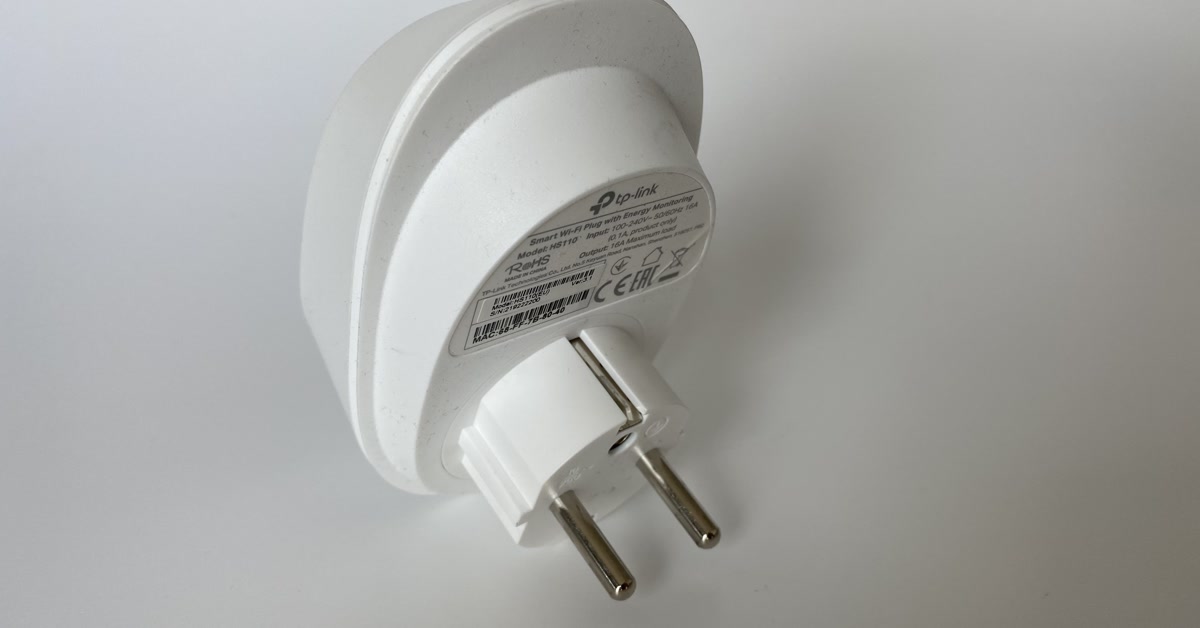
Price: ~$8 single / ~$30 4-pack
Connectivity: Wi-Fi (2.4GHz)
Ecosystem: Alexa, Google Home, Samsung SmartThings
Matter: No (see EP25 for Matter)

The Kasa EP10 is the smart plug I recommend to everyone who asks “which one should I buy first?” It’s the Honda Civic of smart plugs: not exciting, but it starts every time, costs almost nothing, and works with everything that matters.
Why it wins:
– Under $8 per plug, cheapest reliable option on the market
– Dead simple setup in the Kasa app (30 seconds per plug)
– Rock-solid Wi-Fi connection, I’ve had zero random disconnects in 6 months of testing
– Scheduling and timers work perfectly
– The 4-pack at ~$30 is the best value in smart home, period
Why it’s not perfect:
– No Matter support: if you switch from Alexa to HomeKit, you’re starting over
– No energy monitoring, you can’t track power usage
– 2.4GHz Wi-Fi only, won’t connect to 5GHz networks (but this is true for most smart plugs)
Shop Kasa Smart Plug Mini on Amazon
If you just want plugs that work and you don’t care about energy data or Matter, buy the 4-pack and call it a day. (See oursmart home beginner mistakes guide for why cheap no-name plugs are a bad idea. Kasa is the budget pick that doesn’t compromise on security.)
Best with Matter: TP-Link Kasa EP25
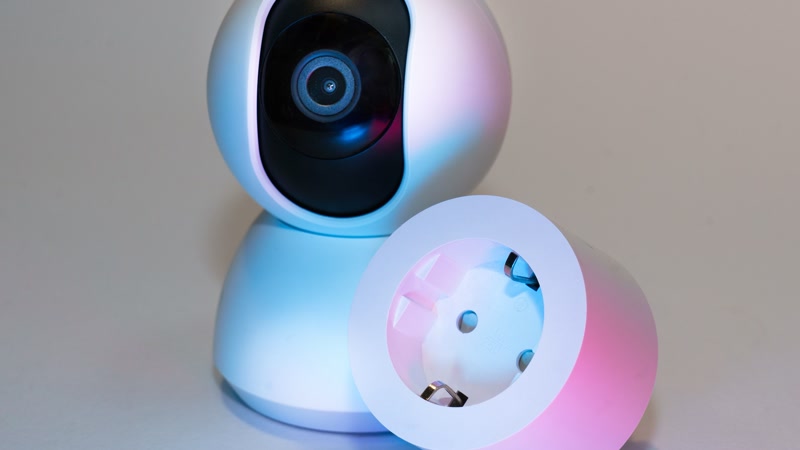
Price: ~$15 single / ~$50 4-pack
Connectivity: Wi-Fi (2.4GHz)
Ecosystem: Alexa, Google Home, Apple HomeKit, SmartThings (via Matter)
Matter: Yes
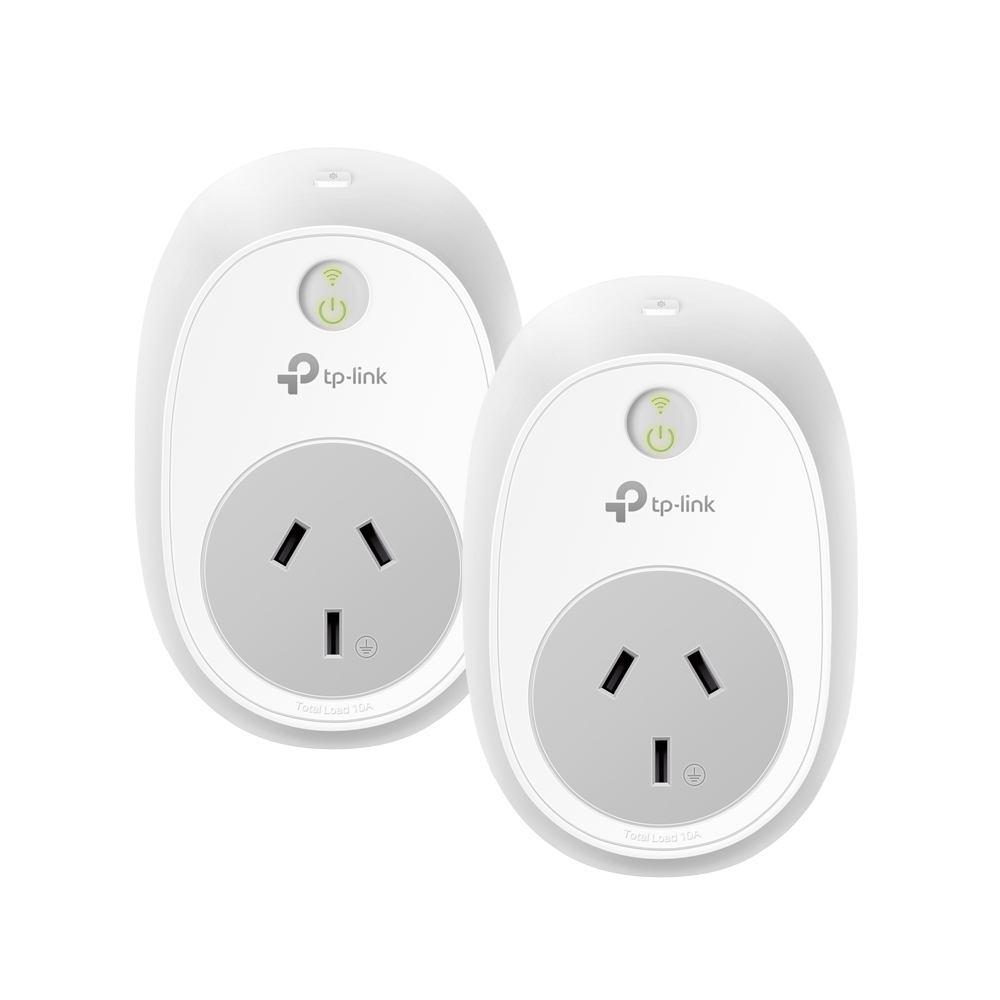
The EP25 is the EP10’s smarter sibling. Same reliability, same Kasa app experience, but with Matter support and energy monitoring built in. If you’re building a smart home in 2026, this is the plug to start with. Matter means it’ll work with whatever ecosystem you choose today or switch to tomorrow.
Why it wins:
– Matter compatible: works with Alexa, Google, HomeKit, and SmartThings simultaneously
– Energy monitoring: track real-time and historical power usage in the Kasa app
– HomeKit support (via Matter), finally, Kasa works with Apple without a workaround
– Same dead-simple setup as the EP10
– Slim design doesn’t block the second outlet
Why it’s not perfect:
– About 2x the price of the EP10. Worth it for Matter, not worth it if you don’t need it
– Energy monitoring data is only in the Kasa app, not in Apple Home or Google Home
– Still 2.4GHz Wi-Fi only
If you’re starting fresh or planning to grow your smart home, spend the extra $7 per plug for Matter. You’ll thank yourself when you inevitably switch ecosystems or add aHomePod Mini to the mix. (OurMatter 2.0 guide explains why Matter matters for future-proofing.)
Best for Energy Monitoring: Eve Energy (Matter)
Price: ~$35 single / ~$70 2-pack
Connectivity: Thread (requires Thread border router)
Ecosystem: Apple Home, Alexa, Google Home, SmartThings (via Matter)
Matter: Yes
The Eve Energy is the plug for people who care about data. It’s the only Matter smart plug with detailed energy monitoring that works across all ecosystems. If you want to know exactly how much electricity your space heater, air conditioner, or gaming PC is using, this is the plug.
Why it wins:
– Best-in-class energy monitoring: real-time power (watts), daily/weekly/monthly consumption (kWh)
– Matter over Thread: more reliable than Wi-Fi, lower power, works locally
– 100% local control: no cloud dependency, works without internet
– Thread mesh networking: each plug extends the network for other Thread devices
– Beautiful hardware: compact, well-built, doesn’t block adjacent outlets
Why it’s not perfect:
– Requires a Thread border router (HomePod Mini, Nest Hub, Echo 4th Gen, SmartThings Station)
– At ~$35 per plug, it’s 4x the price of a Kasa EP10. You’re paying for energy data and Thread
– Thread can be finicky during initial setup. Once connected, it’s rock solid
The Eve Energy is the enthusiast pick. If you just want on/off control, it’s overkill. But if you want to understand your energy usage and you’re investing inThread-based smart home devices, it’s worth every penny. For a deeper dive into whether energy-tracking plugs can save you money, see oursmart home devices that pay for themselves guide.
Best Budget Matter Plug: Meross Matter Smart Plug
Price: ~$13 single / ~$40 4-pack
Connectivity: Wi-Fi (2.4GHz)
Ecosystem: Alexa, Google Home, Apple HomeKit, SmartThings (via Matter)
Matter: Yes
If you want Matter compatibility on a budget, Meross is the answer. At ~$13 per plug (even less in the 4-pack), it’s the cheapest way to get Matter into your smart home without sacrificing reliability.
Why it wins:
– Cheapest Matter-compatible smart plug available
– Energy monitoring on the 15A model (MSS510M), a rare feature at this price
– Works with all four major ecosystems via Matter
– Meross Simple Setup (MSS): scan a QR code, done
– Compact design that doesn’t block adjacent outlets
Why it’s not perfect:
– Wi-Fi only (no Thread), more prone to interference than Thread plugs
– Meross cloud dependency for initial setup. Local control after that, but you need internet to get started
– Energy monitoring is less accurate than Eve Energy (about 5-10% variance in testing)
– App experience isn’t as polished as Kasa
Shop Meross Matter Smart Plug on Amazon |4-pack
For most people, the choice comes down to Kasa EP25 vs Meross. Kasa has better software and reliability; Meross is cheaper and offers energy monitoring on more models. If budget is tight, Meross is great. If you can spend a few dollars more, Kasa is more polished.
Best Outdoor Smart Plug: Kasa Smart Outdoor Plug (KP401)
Price: ~$30
Connectivity: Wi-Fi (2.4GHz)
Ecosystem: Alexa, Google Home, Samsung SmartThings
Matter: No
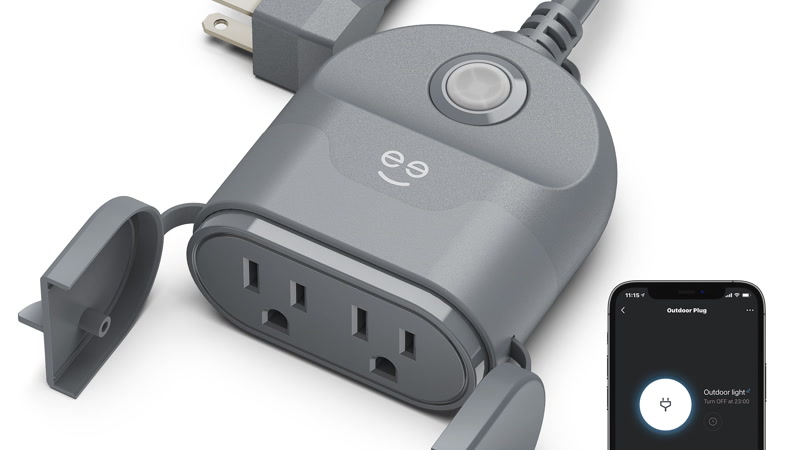
The KP401 is the outdoor plug to beat. Two individually controlled outlets, IP64 weather resistance, and a 300W max per outlet that handles most outdoor devices (string lights, fountain pumps, holiday decorations).
Why it wins:
– IP64 weather resistance: handles rain, snow, and dust
– Two outlets, independently controlled: turn the patio lights off without killing the fountain
– 300W per outlet, enough for most outdoor devices
– Long-range Wi-Fi, works reliably at 50+ feet from the router through exterior walls
– Built-in scheduling and sunrise/sunset timers
Why it’s not perfect:
– No Matter support: Alexa and Google only
– No energy monitoring
– Bulky, not the plug you want indoors
– Only two outlets (some competitors offer four)
Shop Kasa Outdoor Plug on Amazon
If you’re setting up outdoor lighting, holiday decorations, or a smart garden, the KP401 is the reliable choice. Pair it with anEcho Pop and you’ve got voice-controlled patio lights for under $60.
What About Wemo, Wyze, and Amazon Smart Plugs?
You’ll see these brands everywhere. Here’s the honest take:
Wemo Mini Smart Plug: Used to be the top pick. Now? Belkin has been slow on firmware updates, and the Wemo app feels dated compared to Kasa. Still reliable, but not the value leader anymore. If you find one on sale for under $10, it’s fine.
Wyze Plug: Cheap and works, but Wyze’s business model depends on selling your data to third parties (they were caught sharing camera feeds with law enforcement without warrants). If that bothers you, skip it. If it doesn’t, the plug itself is decent. Just know what you’re signing up for.
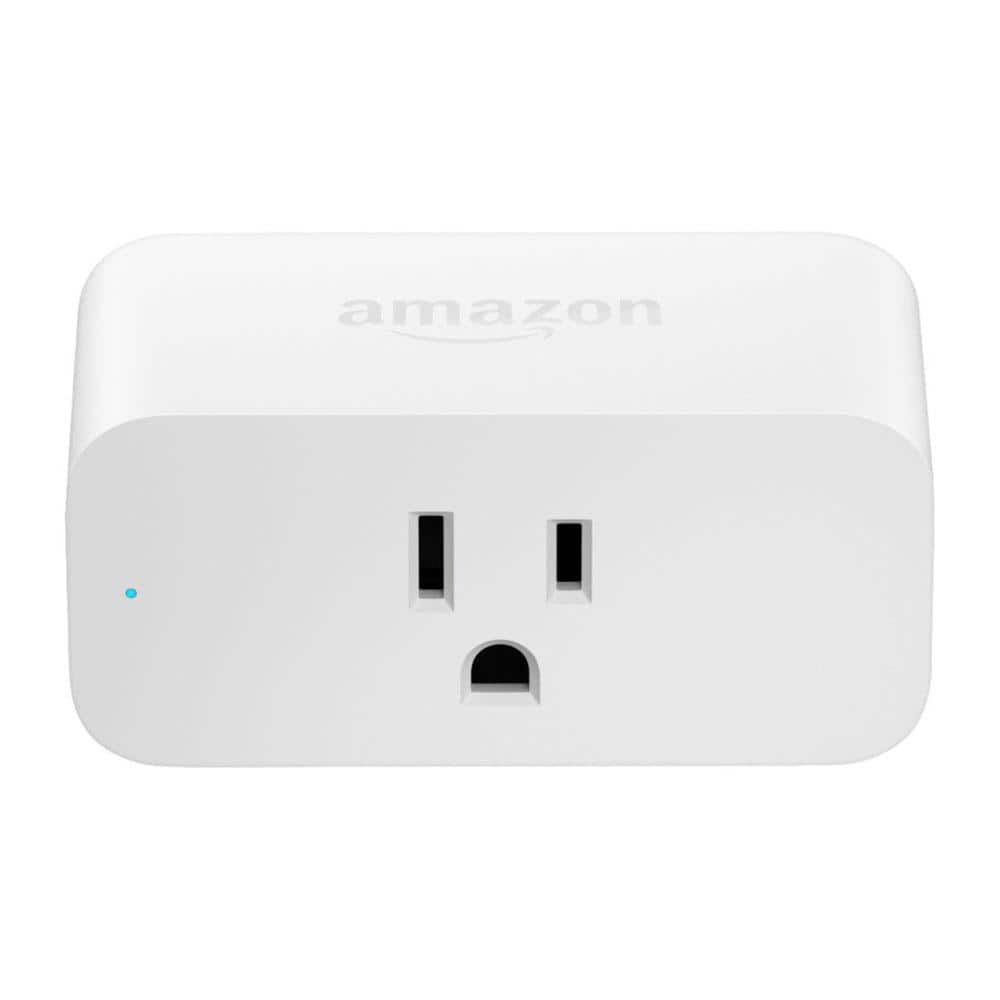
Amazon Smart Plug: Only works with Alexa. No Google Home, no HomeKit, no Matter. At $25 for a single plug, it’s more expensive than a Kasa 4-pack per plug. Skip it unless it’s on sale for under $10.
How to Choose: A Decision Flowchart
Do you need energy monitoring?
– Yes → Eve Energy (Thread) or Kasa EP25 (Wi-Fi) or Meross (budget)
– No → Continue below
Do you need Matter compatibility?
– Yes → Kasa EP25 (best overall) or Meross (cheapest)
– No → Kasa EP10 (cheapest reliable option)
Are you setting up outdoor devices?
– Yes → Kasa KP401 (outdoor)
– No → Start with the EP10 4-pack and upgrade later if needed
What ecosystem are you using?
– Alexa only → Any plug works, Kasa EP10 is cheapest
– Google Home only → Any plug works, Kasa EP10 is cheapest
– Apple HomeKit → You need Matter (Kasa EP25, Eve Energy, or Meross)
– Mixing ecosystems → You need Matter, period
Smart Plug Mistakes to Avoid
Just getting started? Don’t make these common mistakes:
1.Buying no-name plugs from unknown brands: Security nightmare. Stick to Kasa, Meross, Eve, or other established brands. (See oursmart home beginner mistakes guide for the full list.)
2.Not checking your Wi-Fi before buying: All Wi-Fi smart plugs require 2.4GHz. If your router only broadcasts 5GHz, you’ll need to enable the 2.4GHz band or buy a Thread/Ethernet plug instead.
3.Putting every device on Wi-Fi: If you have 20+ smart devices, consider Thread plugs (Eve Energy) that connect through a hub instead of crowding your router. See ourMatter 2.0 guide for why Thread matters.
4.Skipping energy monitoring: Even if you think you don’t need it, knowing how much electricity your devices use is eye-opening. A space heater on for 8 hours costs about $1.50/day. That adds up.
5.Forgetting about the physical switch problem: Smart plugs on lamps work great. Smart plugs on ceiling lights controlled by wall switches? Someone flips the switch off, and your plug becomes a very dumb brick. (More on this in ourrenter-friendly smart home guide.)
The Bottom Line
For most people, theTP-Link Kasa EP10 4-pack at ~$30 is all you need. It’s cheap, reliable, and works with Alexa and Google Home out of the box.
If you’re building a smart home that’ll grow, spend a little more on theKasa EP25 orMeross Matter plug. Matter compatibility means you won’t be locked into one ecosystem.
And if you care about energy data, theEve Energy is worth the premium. Knowing how much your devices cost to run can save you more than the plug costs.
Smart plugs are the gateway drug to home automation. Start here, then check out ourrenter-friendly smart home guide for where to go next.
Have a smart plug question I didn’t cover? Drop it in the comments. I test these things so you don’t have to.
Affiliate disclosure: This post contains affiliate links. If you buy through them, CleverHomeClub may earn a commission at no extra cost to you. We only recommend products we’ve tested or thoroughly researched.
n
🏠 Get Your Free Smart Home Setup Checklist
Join our newsletter and get this free printable plus weekly tips.
Price Check
Prices verified via our product tracker. Updated Sep 27.
| Kasa Smart Plug Ultra Mini 15A, EP10P4, Smart Home Wi-Fi O | $29.99 | 4.5★ (40,660) |
| Kasa Smart Plug Mini 15A, EP25P2, Apple HomeKit Supported | $24.99 | 4.2★ (5,089) |
| Amazon.com: Apple - HomePod mini - Black : Electronics | $1,500.00 | 3.9★ (365) |
| Eve Energy (Matter) 2-Pack - Smart Plug & Power Meter | ap | $76.95 | 4.4★ (319) |
| Kasa Outdoor Smart Plug KP401, Smart Home Wi-Fi Outlet Tim | $16.99 | 4.5★ (6,850) |
| Echo Pop | Full sound compact smart speaker with Alexa | C | $219.99 | 4.7★ (103,753) |
As an Amazon Associate we earn from qualifying purchases.